
AMORPHOPHALLUS.ID

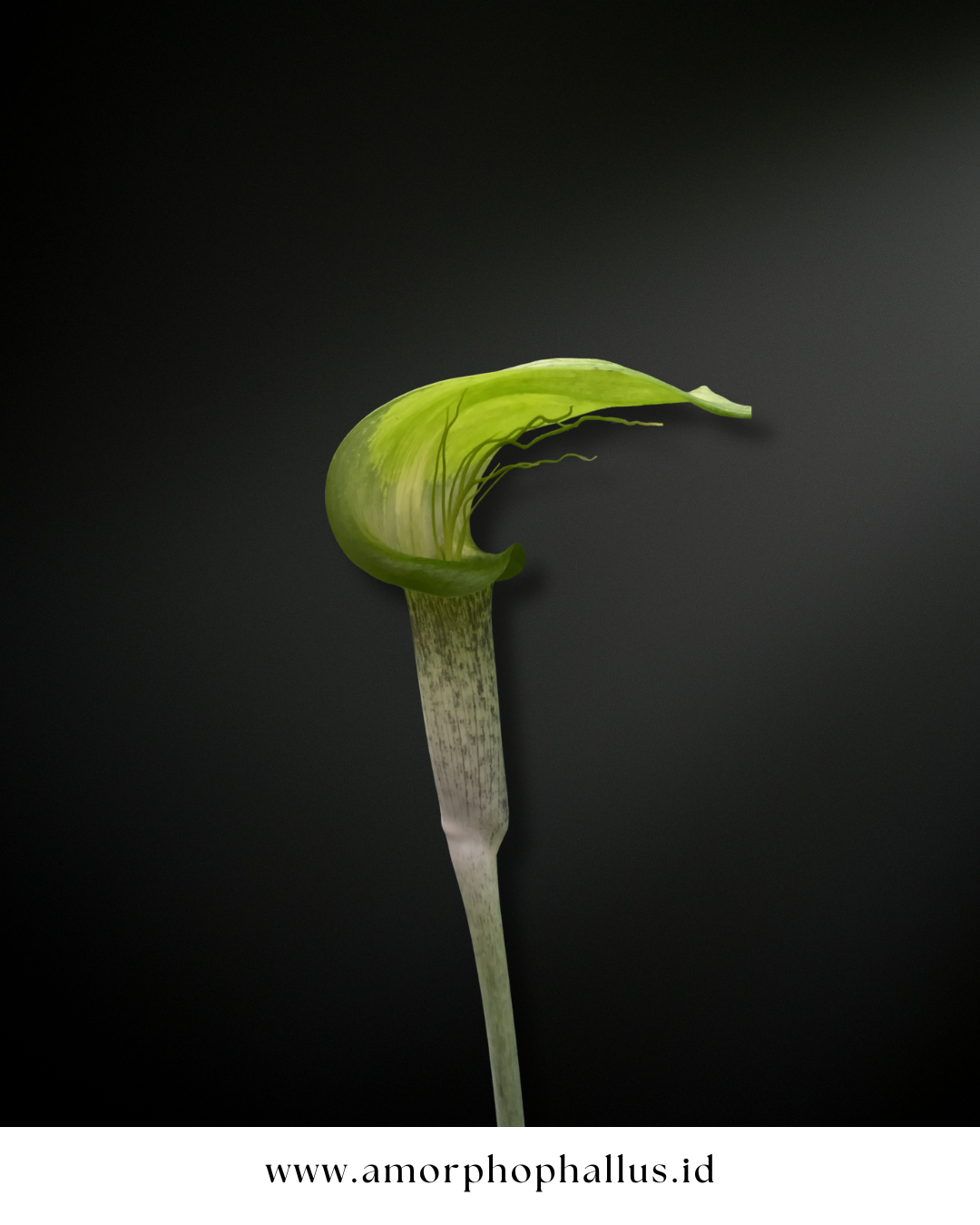
Arisaema barbatum

An exceptionally rare cobra lily, Arisaema barbatum enchants collectors through its bearded inflorescence, spectral structure, and cool Himalayan forest elegance.

Botanical Profile

Scientific NameArisaema barbatum Buchet
FamilyAraceae
OriginEastern Himalayas and Southeast Asia
Growth TypeDeciduous temperate woodland tuberous aroid
RarityExtremely Rare
Collector LevelExpert Collector
ClimateTemperate Montane
$40.0 price exclude tax
$150.0 price exclude tax
$5.0 price exclude tax
$40.0 price exclude tax
Inquire About This Species

Light

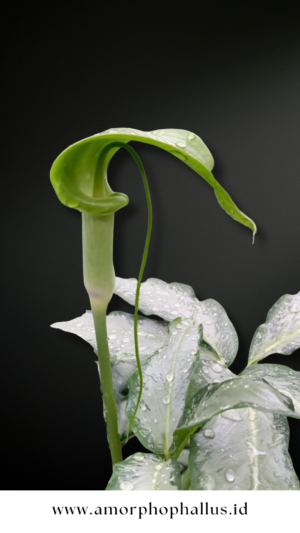
In habitat, Arisaema barbatum develops beneath dense mountain forest canopy where filtered woodland light reaches the understory softly through mist and layered foliage. Bright indirect illumination supports stronger floral structure, healthier foliage expansion, and more balanced seasonal development. Meanwhile, excessive direct sunlight may stress the delicate foliage and shorten flowering duration. In cultivation, collectors often achieve the most refined specimens under shaded woodland conditions with cool airflow and diffused morning brightness.
Humidity

The species thrives within cool humid environments that replicate the saturated atmosphere of Himalayan forest ecosystems. Elevated atmospheric moisture supports smoother emergence, healthier root activity, and more refined inflorescence development throughout the active season. In contrast, prolonged dry air may interrupt growth momentum and weaken flowering performance over time. Consequently, stable humidity combined with excellent airflow remains essential for maintaining long-term vigor.

Soil

Arisaema barbatum prefers a highly organic and breathable woodland substrate rich in decomposed leaf matter while remaining sharply drained around the tuber zone. Leaf mold, fine bark, pumice, humus-rich compost, and mineral grit recreate conditions similar to cool forest floor debris. Additionally, continuous oxygen movement through the substrate supports healthier root production during active growth periods. Dense or waterlogged soils may compromise tuber health and reduce future flowering strength.

Temperature

Cool to mildly warm temperatures encourage healthy seasonal emergence and sustained vegetative growth throughout the active period. The species performs best under stable temperate conditions with noticeable seasonal transition between growth and dormancy cycles. Meanwhile, excessive summer heat may weaken foliage quality and shorten active growth duration. Although dormant tubers tolerate winter cold effectively, prolonged freezing in saturated substrate may damage root integrity.

Dormancy

Like many temperate woodland geophytes, Arisaema barbatum follows a pronounced dormancy cycle shaped by seasonal temperature fluctuation and changing moisture availability. As the active season concludes, foliage gradually senesces while nutrients retreat into the underground tuber. During dormancy, the species requires a cool resting period essential for future emergence and flowering vigor. Consequently, experienced growers reduce watering significantly while maintaining lightly moist but well-aerated substrate conditions.

Germination

Fresh seeds generally germinate most successfully under cool stratification followed by stable moisture and moderate spring warmth. Germination timing varies considerably depending on seed maturity, environmental consistency, and seasonal temperature cycling. Early seedlings initially produce simple juvenile foliage before gradually developing more complex leaf division and mature floral structure over successive years. Tuber size and flowering potential increase steadily with each completed seasonal cycle.

Growth Difficulty

Arisaema barbatum rewards patient cultivation yet demands environmental precision and seasonal understanding. The species remains sensitive to excessive summer heat, stagnant substrate conditions, and prolonged dryness during active growth periods. Additionally, flowering-size specimens require years of stable cultivation and careful dormancy management. Growth progresses gradually; however, mature plants ultimately develop extraordinary botanical refinement and haunting woodland presence.