AMORPHOPHALLUS.ID

Amorphophallus paeoniifolius

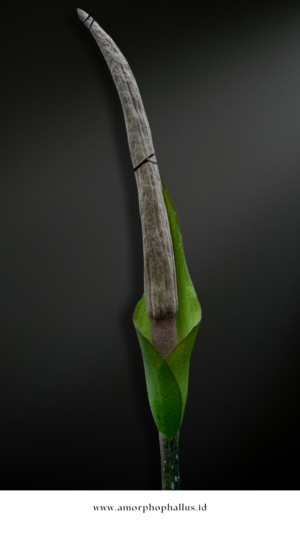
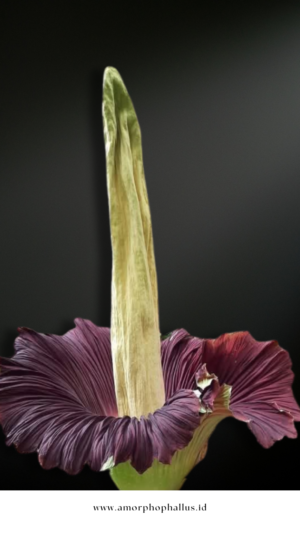
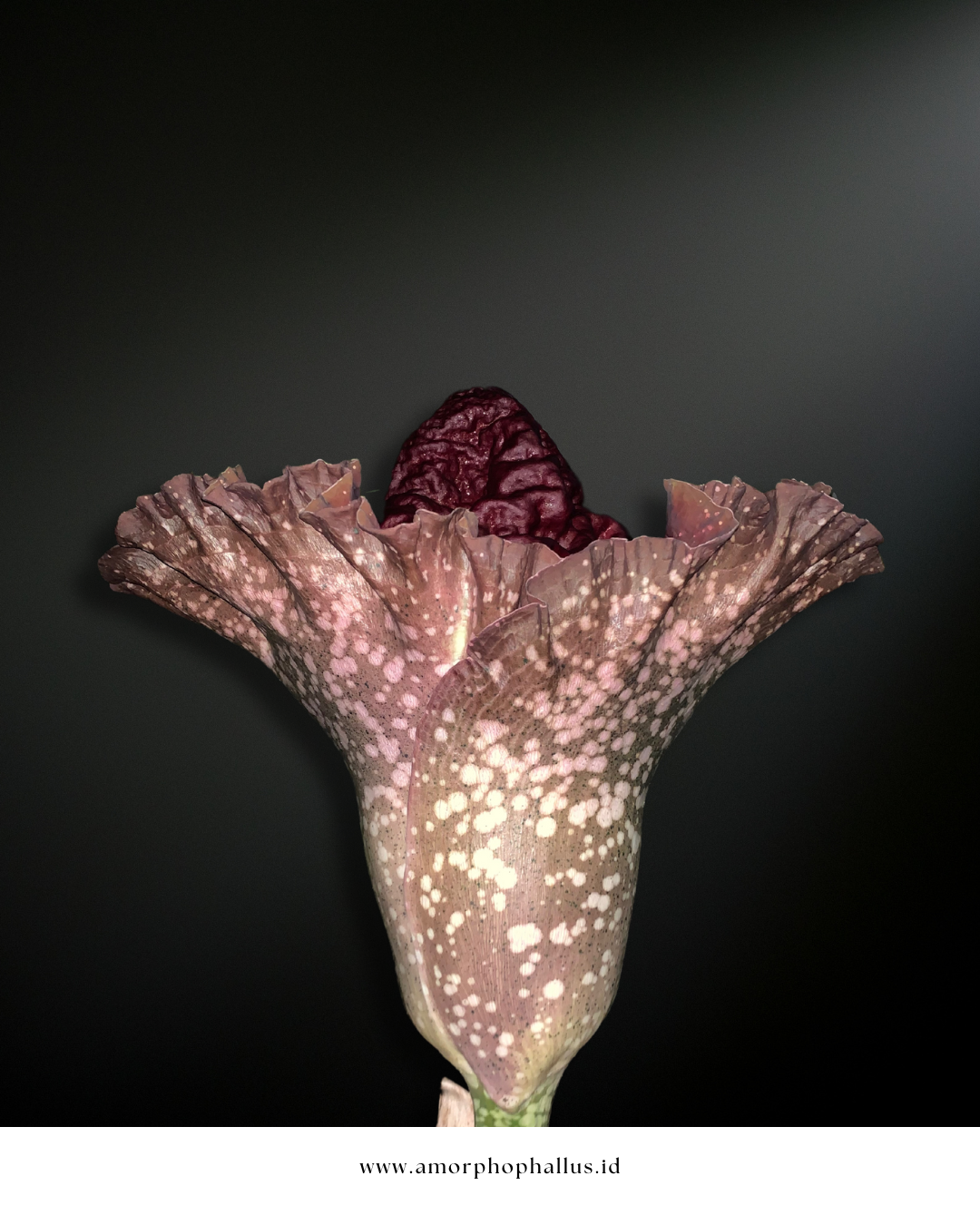
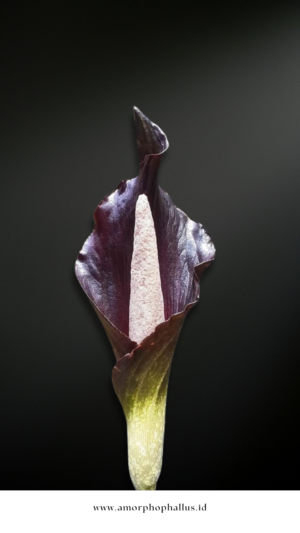
Amorphophallus paeoniifolius is a monumental tropical aroid celebrated for its immense subterranean tuber, towering canopy structure, and deeply prehistoric presence within serious collector-focused tropical plant collections.

Botanical Profile

Scientific NameAmorphophallus paeoniifolius
FamilyAraceae
OriginTropical Asia including India, Southeast Asia, and Indonesia
Growth TypeMassive tuberous terrestrial aroid with seasonal canopy growth
RarityRare
Collector LevelIntermediate
ClimateTropical Humid
$60.0 price exclude tax
$150.0 price exclude tax
$2.0 price exclude tax
$20.0 price exclude tax
Inquire About This Species

Light

Amorphophallus paeoniifolius develops most vigorously in bright tropical conditions where filtered sunlight reaches the forest floor for extended portions of the day. In habitat, the species frequently occupies semi-open woodland systems and forest margins rather than deeply shaded rainforest interiors. Under cultivation, strong indirect light encourages broader canopy expansion, thicker petiole development, and more vigorous seasonal growth. Excessively dark conditions often reduce structural strength and limit overall tuber enlargement.
Humidity

This species thrives in warm humid air typical of monsoonal tropical environments where atmospheric moisture remains elevated throughout the active growing season. In habitat, humidity supports rapid canopy expansion and helps maintain the immense leaf structure during periods of accelerated growth. Stable atmospheric moisture also improves foliar texture and reduces environmental stress during peak development. In cultivation, mature specimens respond particularly well to consistently humid conditions paired with gentle air circulation.

Soil

Amorphophallus paeoniifolius favors rich, highly organic substrates capable of supporting large-scale root and tuber development without becoming compacted. In habitat, the species grows within fertile soils enriched by decomposing vegetation, mineral sediment, and continuously cycling organic matter. Cultivated specimens perform best in loose media that combine moisture retention with strong drainage and substantial aeration around the tuber zone. Dense or waterlogged substrates frequently compromise long-term tuber health and seasonal vigor.

Temperature

As a tropical lowland species, Amorphophallus paeoniifolius prospers under consistently warm conditions accompanied by abundant seasonal moisture. The species demonstrates especially vigorous growth during periods of sustained tropical heat, often producing rapid canopy expansion and accelerated tuber development. Cooler temperatures may significantly slow metabolic activity and reduce overall seasonal performance. Prolonged cold exposure frequently disrupts dormancy cycles and weakens future growth potential.

Dormancy

Amorphophallus paeoniifolius undergoes a pronounced dormant phase following the senescence of its immense seasonal leaf. During this period, the massive tuber retreats into physiological inactivity beneath the substrate while conserving substantial stored energy reserves. In habitat, dormancy commonly aligns with seasonal dry periods and reduced rainfall intensity. Mature tubers often display strong cyclical consistency, emerging with increasing vigor as stored reserves accumulate over successive growth seasons.

Germination

Fresh seed of Amorphophallus paeoniifolius generally germinates reliably under warm, humid tropical conditions with stable substrate moisture. Seedlings often establish quickly, directing early energy toward subterranean tuber formation before developing increasingly robust foliage structures. Young plants typically exhibit vigorous growth compared to many smaller rainforest Amorphophallus species, particularly when provided with rich organic substrates and sustained warmth. Over time, seedlings gradually transition into increasingly substantial vegetative forms with strong seasonal rhythm.

Growth Difficulty

Amorphophallus paeoniifolius is widely regarded as one of the more approachable large-growing species within the genus due to its vigorous growth habit and comparatively broad environmental tolerance. While mature specimens require substantial space and careful seasonal management, the species generally adapts well to stable tropical cultivation conditions. Successful long-term growth depends heavily on balancing warmth, organic substrate quality, moisture regulation, and proper dormancy management. For collectors, its immense scale, dramatic emergence cycle, and enduring architectural presence make it one of the most rewarding terrestrial aroids to cultivate.