AMORPHOPHALLUS.ID

Amorphophallus titanum

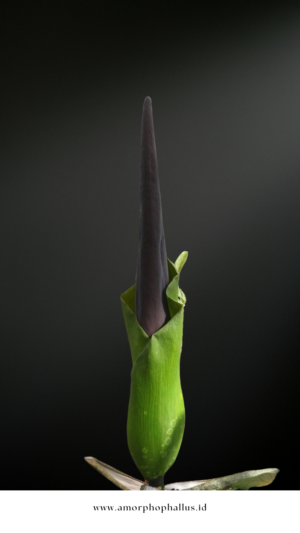
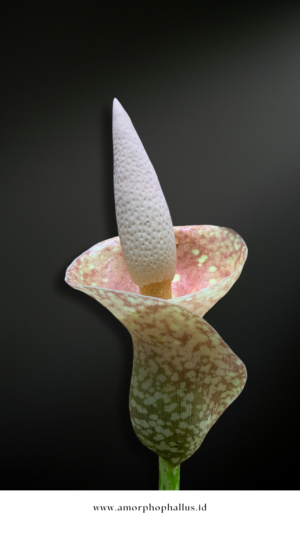
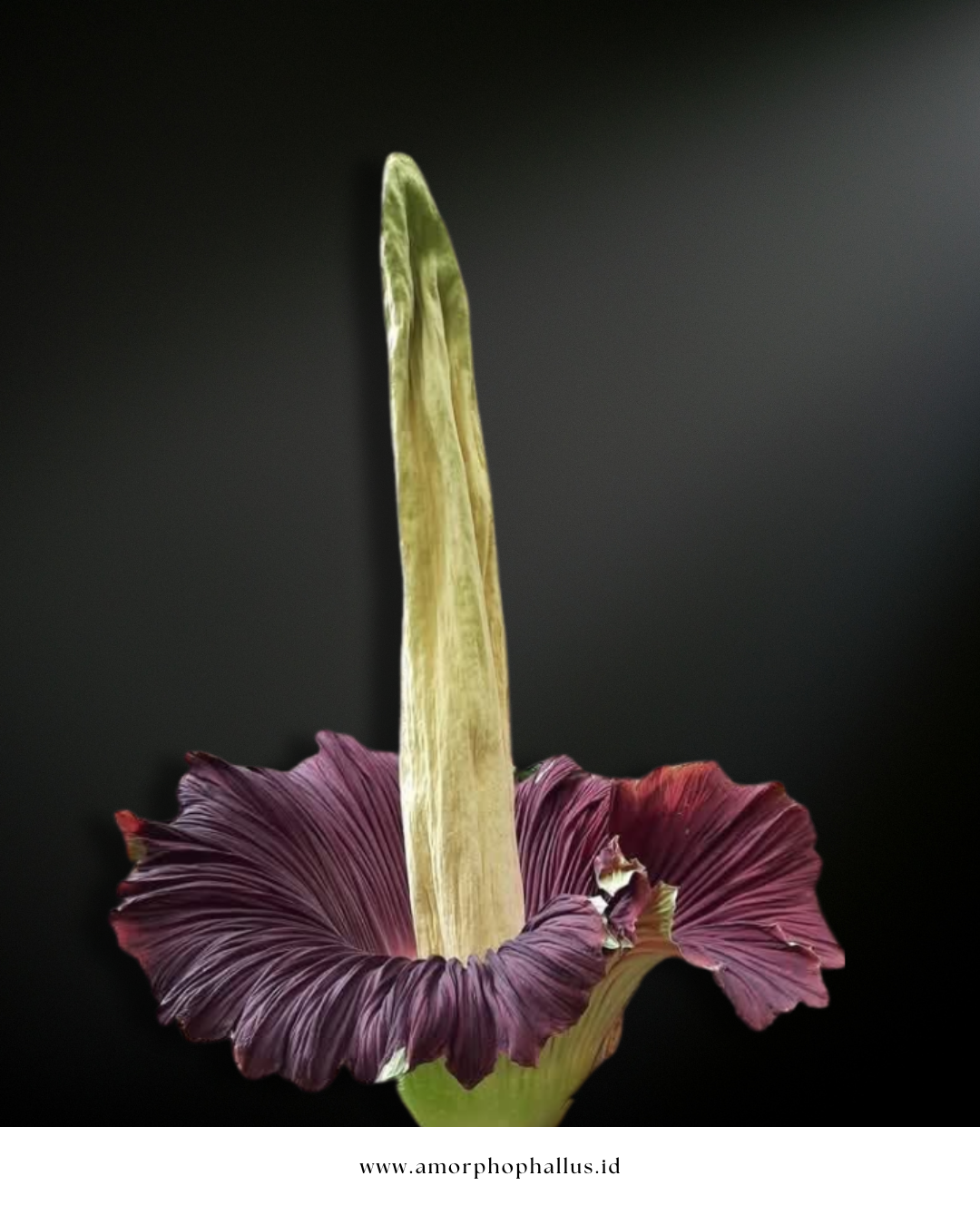
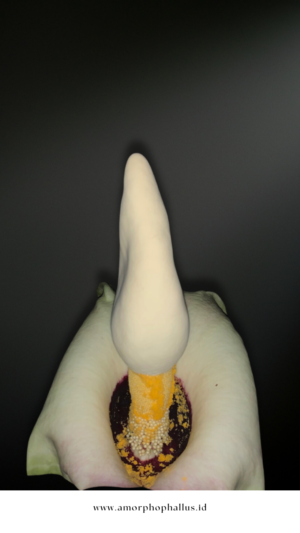
Amorphophallus titanum, the legendary Titan Arum, is celebrated for its colossal rainforest canopy and the world’s largest unbranched inflorescence among elite tropical plant collectors.

Botanical Profile

Scientific NameAmorphophallus titanum
FamilyAraceae
OriginWestern Sumatra, Indonesia
Growth TypeMassive tuberous tropical aroid with colossal seasonal canopy
RarityExceptionally Rare
Collector LevelExpert Collector
ClimateTropical Humid
$150.0 price exclude tax
$80.0 price exclude tax
$5.0 price exclude tax
$30.0 price exclude tax
Inquire About This Species

Light

Amorphophallus titanum develops beneath dense equatorial rainforest canopy where filtered tropical light reaches the understory in soft and heavily diffused intervals. In habitat, the species experiences bright indirect illumination moderated by immense surrounding vegetation and consistently elevated atmospheric humidity. Under cultivation, strong filtered light encourages balanced canopy expansion and maintains healthy structural development without damaging the enormous foliage surface. Excessive direct sunlight frequently stresses the leaf tissue and diminishes the species’ refined rainforest appearance.
Humidity

This species thrives within persistently humid rainforest environments where atmospheric moisture remains elevated throughout the year. High humidity supports vigorous canopy expansion and preserves the supple texture of the immense foliage during active growth. In habitat, moisture accumulates continuously beneath layered tropical vegetation rich in decomposing organic matter and dense understory growth. In cultivation, stable humidity significantly improves structural vigor and reinforces the species’ deeply immersive equatorial forest character.

Soil

Amorphophallus titanum favors exceptionally rich and highly aerated substrates composed of decomposed forest matter, coarse organic debris, and moisture-retentive mineral components. In habitat, the species develops within volcanic rainforest soils enriched through constant biological decomposition and fungal activity. Cultivated specimens respond particularly well to loose media capable of supporting extensive root systems while preventing prolonged stagnation around the massive tuber. Dense or compact substrates frequently reduce long-term vigor and compromise seasonal growth performance.

Temperature

As a lowland equatorial rainforest species, Amorphophallus titanum prospers under consistently warm conditions accompanied by elevated humidity and minimal seasonal fluctuation. Sustained tropical warmth promotes extraordinary canopy development and efficient subterranean energy accumulation throughout the active growth cycle. Cooler temperatures frequently slow metabolic activity considerably and may interrupt normal foliar maturation before dormancy occurs naturally. Extended cold exposure often weakens future emergence cycles and reduces overall resilience.

Dormancy

Amorphophallus titanum undergoes a seasonal dormant phase following the gradual senescence of its immense solitary leaf. During dormancy, the tuber retreats beneath the substrate while conserving substantial energy reserves accumulated during active growth. In habitat, this cycle generally reflects subtle environmental fluctuations rather than severe climatic extremes. Mature tubers commonly develop increasingly stable seasonal rhythm and may alternate unpredictably between vegetative and flowering cycles depending on stored energy reserves.

Germination

Fresh seed of Amorphophallus titanum generally germinates steadily under warm humid conditions that closely replicate shaded Sumatran rainforest environments. Early seedlings prioritize subterranean tuber formation before producing increasingly divided juvenile foliage over successive growth stages. Stable warmth, elevated humidity, and highly aerated substrates significantly improve early establishment and long-term vigor. Young plants frequently display variation in developmental pace, making seed-grown specimens especially engaging for patient long-term collectors.

Growth Difficulty

Amorphophallus titanum is best suited to advanced or expert collectors capable of maintaining stable equatorial conditions and accommodating the species’ extraordinary scale over many years of cultivation. Successful long-term growth requires elevated humidity, sustained warmth, spacious growing conditions, and careful management of substrate moisture throughout both active growth and dormancy. Although vigorous once established, the species demands patience, environmental consistency, and significant long-term commitment rarely achievable in casual collections. For serious aroid enthusiasts, however, it offers one of the most iconic and biologically fascinating cultivation experiences within the entire plant kingdom.