AMORPHOPHALLUS.ID

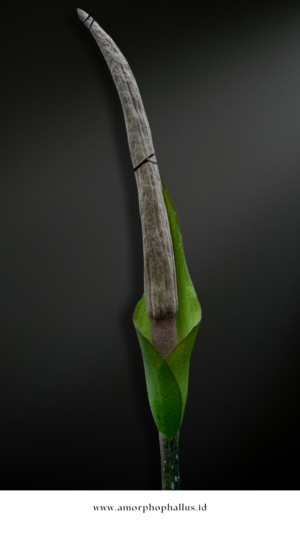
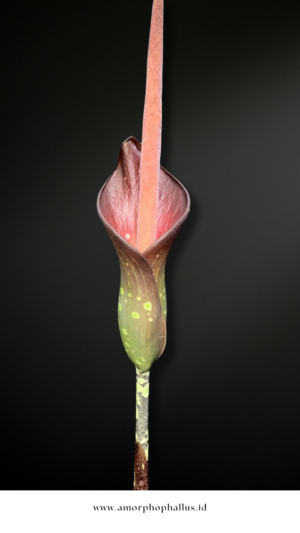
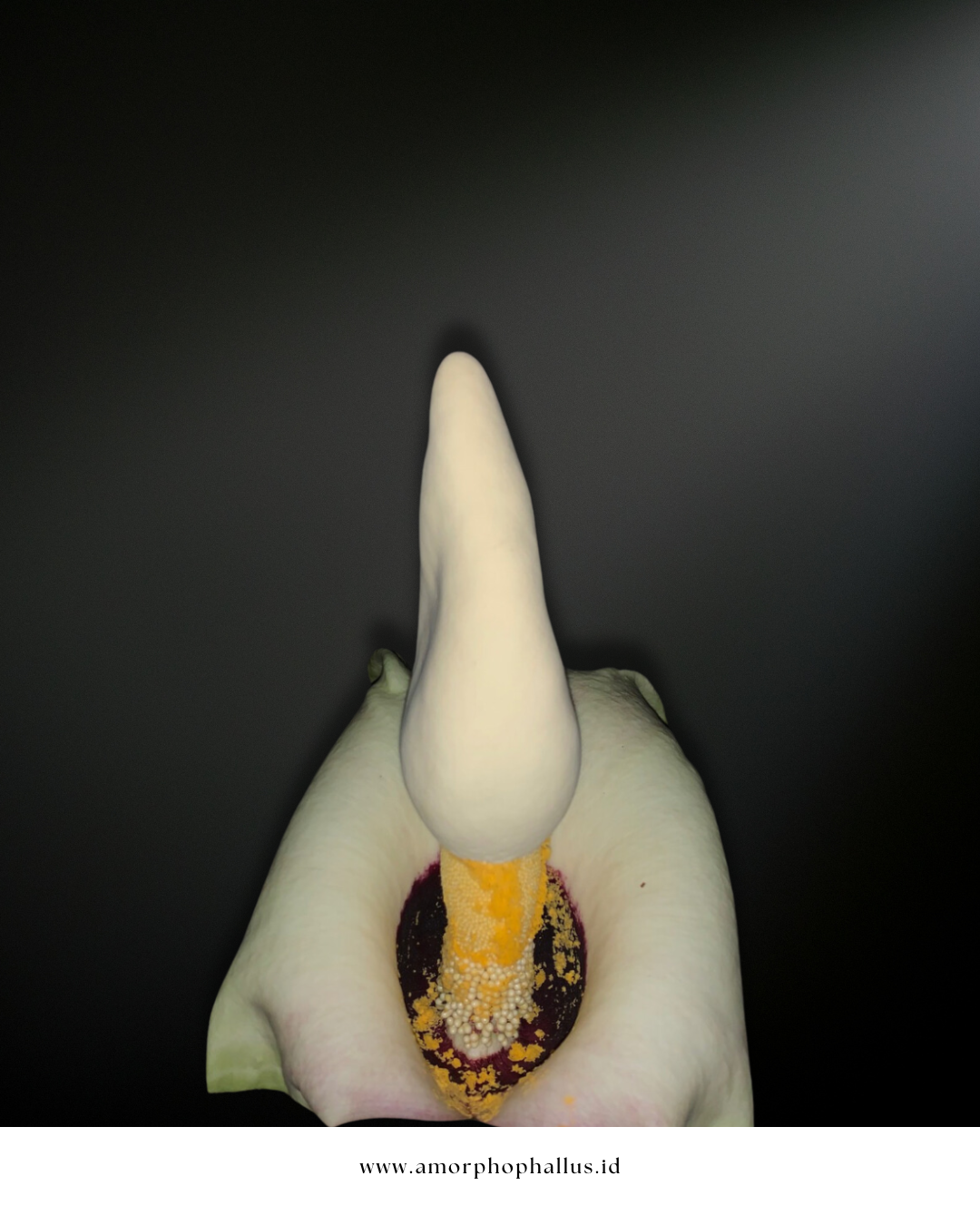
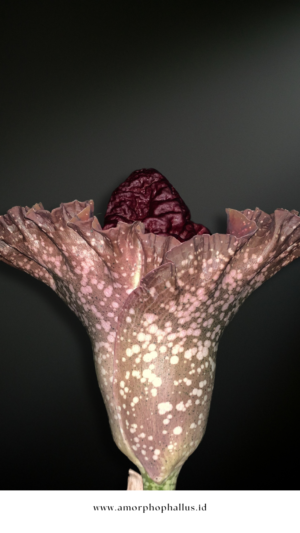
Amorphophallus prainii

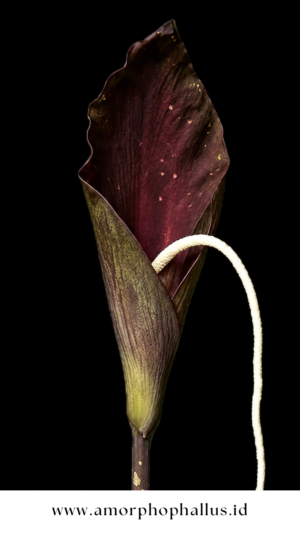
Amorphophallus prainii is a remarkably elusive tropical aroid admired for its elegant understory architecture, refined foliage structure, and enduring appeal among dedicated collectors of rare Southeast Asian species.

Botanical Profile

Scientific NameAmorphophallus prainii
FamilyAraceae
OriginPeninsular Malaysia and Sumatra
Growth TypeTuberous tropical understory aroid with solitary seasonal foliage
RarityVery Rare
Collector LevelAdvanced
ClimateWarm Humid Tropical
$80.0 price exclude tax
$150.0 price exclude tax
$5.0 price exclude tax
$40.0 price exclude tax
Inquire About This Species

Light

Amorphophallus prainii develops beneath dense tropical canopy systems where filtered illumination reaches the forest floor in fragmented intervals throughout the day. In habitat, the species rarely experiences prolonged direct sun exposure, instead favoring subdued understory light enriched by ambient atmospheric brightness and surrounding vegetation. Under cultivation, excessively harsh light often results in compressed growth and diminished foliar elegance, while moderated shade encourages elongated petioles and balanced lamina expansion. Mature specimens display their most refined structure when grown in luminous but protected conditions that replicate humid rainforest interiors.
Humidity

This species demonstrates a strong affinity for persistently humid tropical air, particularly during active vegetative growth and seasonal emergence. In rainforest environments, atmospheric moisture remains consistently elevated beneath the canopy, allowing delicate foliage tissues to maintain supple texture and stable expansion. High humidity significantly enhances the visual quality of the leaf surface, intensifies pigmentation subtleties, and reduces physiological stress during periods of active growth. In cultivation, stable moisture-rich air contributes greatly to sustained vigor and more graceful overall presentation.

Soil

Amorphophallus prainii favors exceptionally loose and oxygen-rich substrates that mirror the decomposing organic layers of tropical forest floors. In habitat, the tuber develops within humus-rich soils composed of fragmented wood matter, leaf litter, mineral particles, and continuously cycling organic debris. Cultivated specimens respond particularly well to airy media that retain moisture while preventing stagnation around the tuber zone. Dense or compact substrates frequently reduce root activity and may compromise seasonal development, especially during transitional moisture fluctuations.

Temperature

As a lowland tropical species, Amorphophallus prainii prospers under consistently warm conditions with minimal seasonal temperature variation. The species exhibits strongest vegetative growth when exposed to stable tropical warmth accompanied by elevated humidity and gentle air circulation. Cooler environments often slow metabolic activity considerably and may shorten the active growth cycle before full tuber maturation occurs. Prolonged exposure to cold conditions can interrupt normal seasonal rhythm, particularly when combined with excessive substrate moisture.

Dormancy

Like many tuberous aroids, Amorphophallus prainii undergoes a distinct dormant phase following the senescence of its solitary seasonal leaf. During this period, the tuber retreats into metabolic inactivity beneath the substrate, conserving stored resources accumulated throughout the previous growth cycle. In habitat, dormancy frequently corresponds with subtle ecological shifts in rainfall patterns and forest moisture balance rather than extreme climatic transitions. Mature tubers often display variable dormancy durations depending on environmental stability, seasonal energy reserves, and developmental maturity.

Germination

Fresh seed of Amorphophallus prainii generally germinates most successfully under warm, humid conditions that emulate rainforest understory environments. Germination may occur gradually and unevenly, with early seedlings initially directing significant energy toward subterranean tuber formation before producing substantial foliar growth. Young plants frequently exhibit noticeable variation in vigor, leaf segmentation, and developmental pace, making seed-raised populations particularly engaging for collectors interested in long-term observation. Stable warmth and continuously moist yet aerated media significantly improve early establishment and seedling resilience.

Growth Difficulty

Amorphophallus prainii is best regarded as a species for attentive intermediate to advanced collectors due to its relative scarcity and sensitivity to environmental inconsistency. Although not exceptionally fast-growing, the species rewards patient cultivation through increasingly refined seasonal growth as the tuber matures over time. Successful long-term cultivation depends heavily on maintaining balanced humidity, stable warmth, and carefully aerated substrate conditions throughout active growth and dormancy transitions. Among aroid enthusiasts, the species is admired less for dramatic scale and more for its understated elegance, elusive cultivation character, and refined botanical presence.