AMORPHOPHALLUS.ID

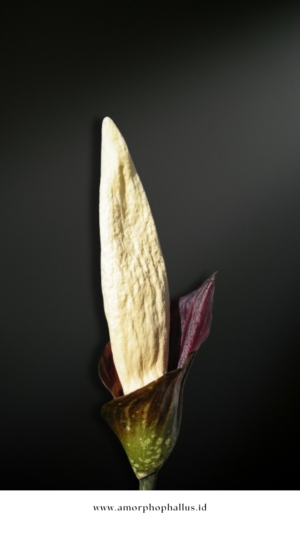
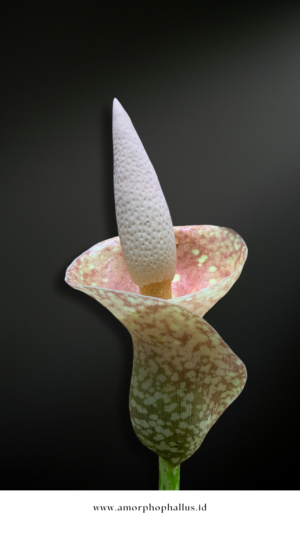
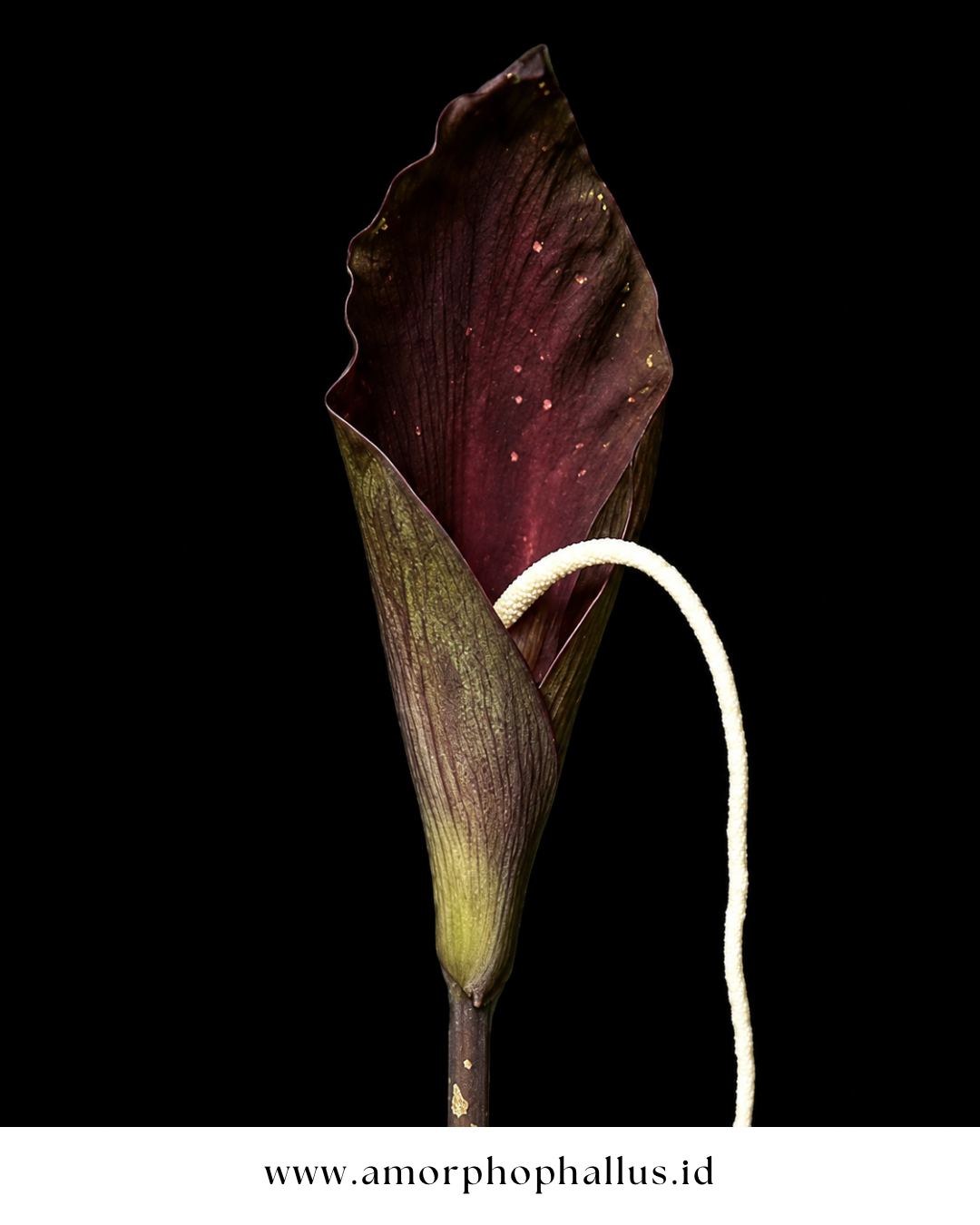
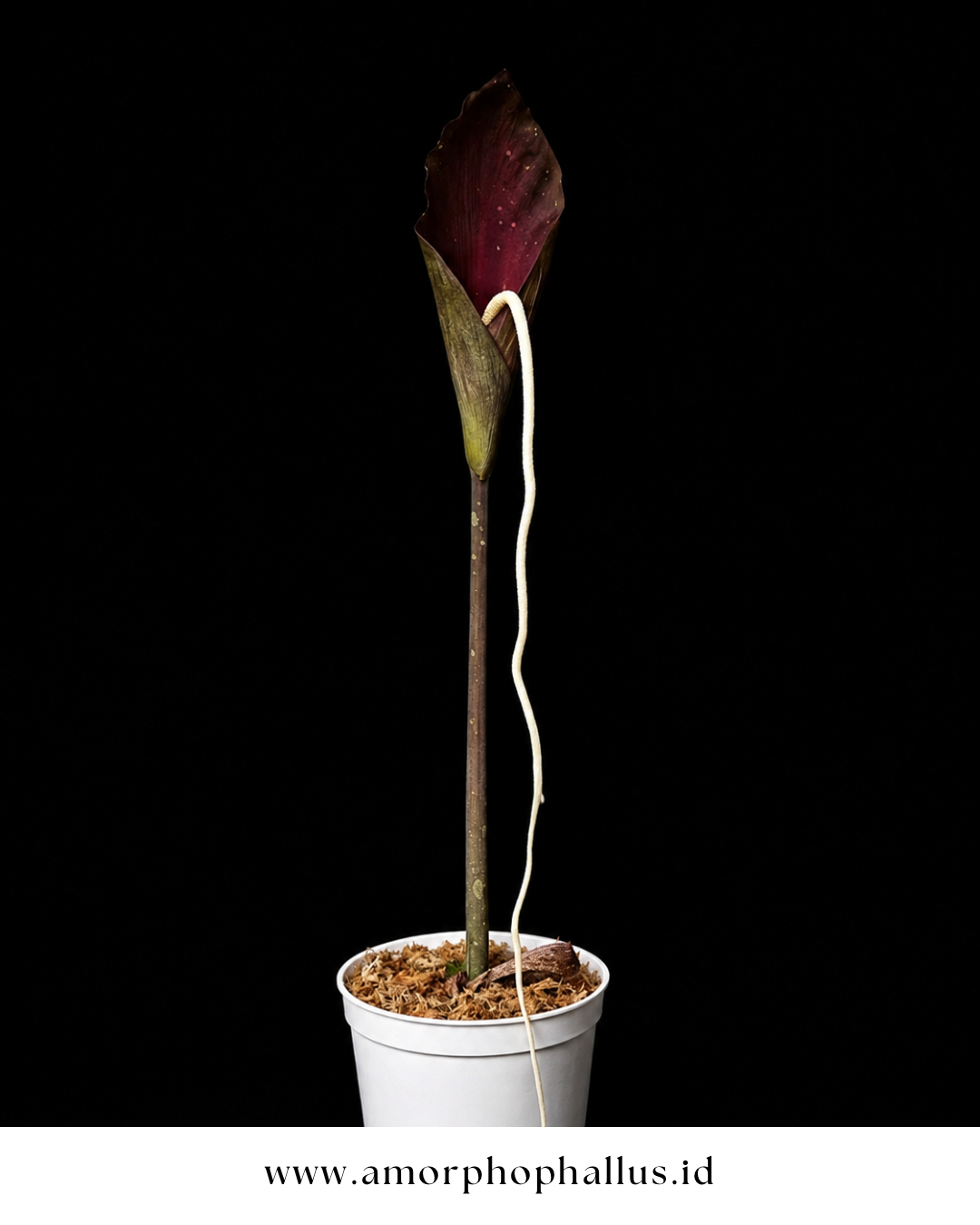
Amorphophallus pendulus

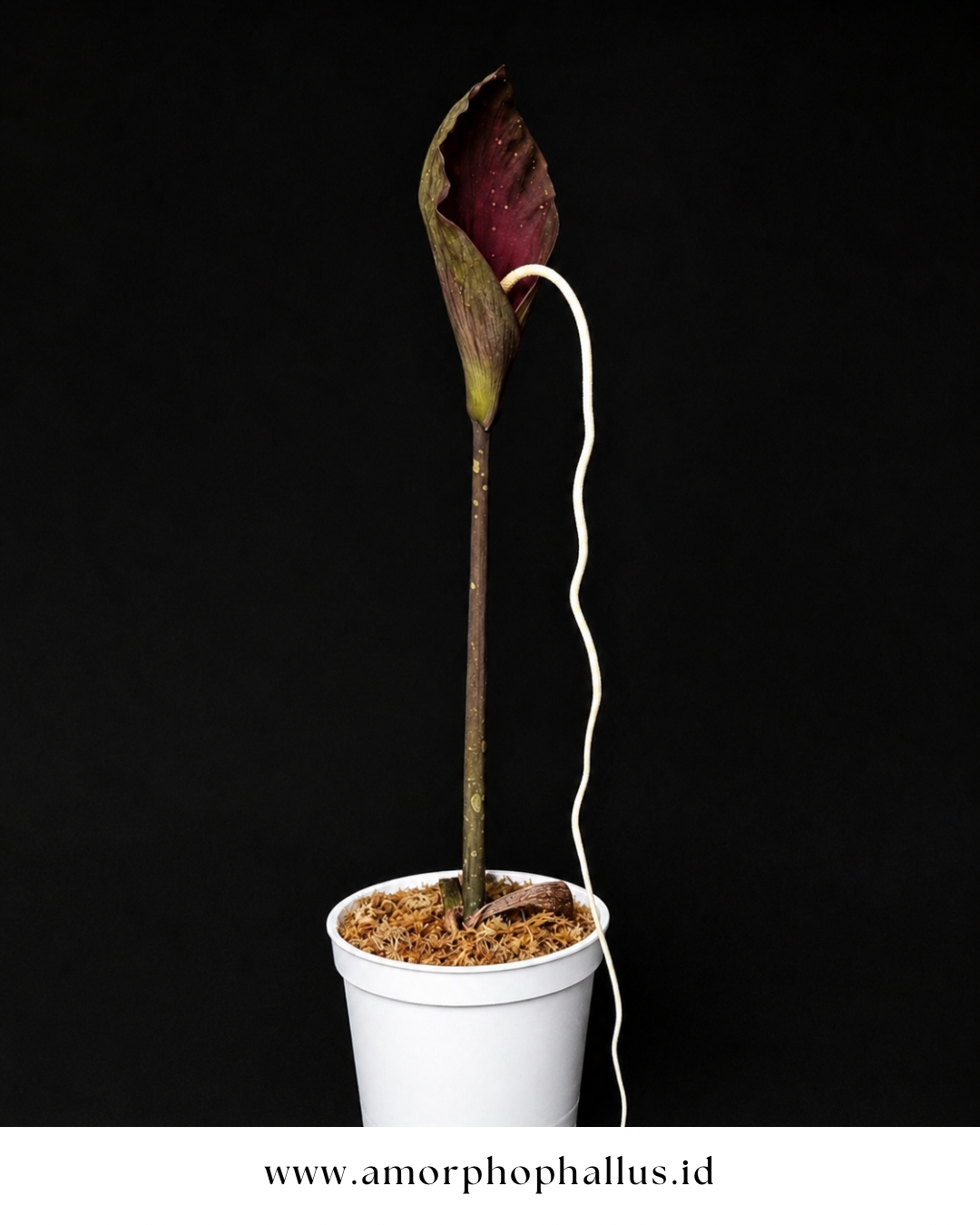
Amorphophallus pendulus is an exceptionally rare Southeast Asian species revered among advanced aroid collectors for its elegantly pendulous inflorescence, elusive presence in cultivation, and quietly dramatic botanical character.

Botanical Profile

Scientific NameAmorphophallus pendulus
FamilyAraceae
OriginNorthern Thailand and Laos
Growth TypeDeciduous tropical geophyte with solitary pendulous inflorescence
RarityExceptionally Rare
Collector LevelExpert Collector
ClimateWarm Humid Tropical
$150.0 price exclude tax
Inquire About This Species

Light

In habitat, Amorphophallus pendulus inhabits deeply shaded tropical forest strata where filtered illumination penetrates through dense canopy architecture in fleeting, humid intervals. The species demonstrates a marked preference for subdued, diffused light, often emerging beneath broad-leaved understory vegetation and among decomposing arboreal litter where direct solar exposure rarely persists. Under cultivation, excessive light frequently results in compressed growth and physiological stress expressed through premature foliar decline, while stable intermediate shade encourages elongated petioles, balanced lamina expansion, and the species’ characteristic pendulous presentation. Mature specimens exhibit their finest architectural poise when grown under luminous but restrained conditions that emulate rainforest twilight rather than open tropical brightness.
Humidity

This species is intimately associated with saturated equatorial air masses and persistently humid forest interiors where atmospheric moisture remains elevated throughout much of the growing cycle. High humidity contributes significantly to the refinement of foliage texture, the stability of emerging growth points, and the preservation of delicate epidermal surfaces that can desiccate rapidly in arid environments. During active growth, Amorphophallus pendulus responds favorably to environments with minimal fluctuations in ambient moisture, particularly during leaf expansion and inflorescence development. Collectors frequently observe that specimens cultivated under consistently humid conditions develop more graceful proportions and maintain longer seasonal vigor than those subjected to intermittent dryness.

Soil

The subterranean ecology of Amorphophallus pendulus reflects its adaptation to exceptionally loose rainforest substrates enriched by centuries of decomposing organic debris, fragmented wood fiber, and mineral-rich humus. The species performs best in highly aerated media capable of retaining moisture without stagnation, allowing the tuber to respire freely while remaining insulated from abrupt hydric fluctuations. Incorporation of coarse organic fractions alongside porous mineral components creates a root environment that closely resembles the friable forest floor conditions from which the species originates. Dense or compact substrates tend to inhibit root exploration and increase susceptibility to tuber deterioration, particularly during transitional seasonal phases.

Temperature

As a true lowland tropical aroid, Amorphophallus pendulus favors warm and thermally stable conditions throughout the majority of its annual cycle. Optimal growth is generally associated with temperatures characteristic of humid equatorial forests, where nocturnal cooling remains modest and seasonal variation is comparatively restrained. The species demonstrates sensitivity to prolonged exposure below typical tropical thresholds, particularly when combined with excessive substrate moisture or stagnant air circulation. Sustained warmth encourages uninterrupted metabolic activity, robust foliar extension, and more reliable tuber maturation, whereas cooler conditions often induce slowed development and abbreviated growth cycles.

Dormancy

Like many members of the genus, Amorphophallus pendulus undergoes a pronounced dormancy phase governed by cyclical environmental rhythms and internal tuber reserves rather than true climatic winter. Following the senescence of the solitary seasonal leaf, the tuber retreats into a period of metabolic quiescence during which visible growth ceases entirely beneath the substrate surface. In habitat, this dormancy frequently corresponds with subtle reductions in rainfall intensity or shifts in ecological moisture balance, allowing the species to conserve energy before re-emergence. Mature tubers may remain inactive for extended intervals, and experienced collectors often note considerable variability in awakening times depending on accumulated reserves and environmental stability.

Germination

Seed germination in Amorphophallus pendulus is often irregular yet highly rewarding, reflecting the species’ naturally episodic reproductive ecology within rainforest systems. Fresh seed generally exhibits superior viability and responds favorably to stable warmth, elevated humidity, and consistently moist but oxygen-rich germination media. Early developmental stages tend to progress gradually, with seedlings initially producing modest subterranean structures before accelerating in subsequent seasonal cycles as tuber mass accumulates. Considerable variation may appear among individual seedlings in vigor, leaf morphology, and growth rhythm, making seed-raised populations particularly compelling for collectors interested in observing phenotypic diversity over time.

Growth Difficulty

Amorphophallus pendulus is widely regarded as a specialist species more suited to attentive collectors than casual growers, owing to its relative scarcity in cultivation and its sensitivity to environmental inconsistency. Although not inherently impossible to maintain, the species demands careful calibration of humidity, substrate structure, seasonal watering patterns, and thermal stability to achieve sustained success over multiple growth cycles. Growth rates are typically moderate and closely tied to tuber establishment, with younger specimens often requiring several seasons before displaying the elegant stature associated with mature plants. Among aroid enthusiasts, the species is valued less for rapid development and more for its refined morphology, elusive cultivation character, and distinctly atmospheric presence within a curated tropical collection.