AMORPHOPHALLUS.ID

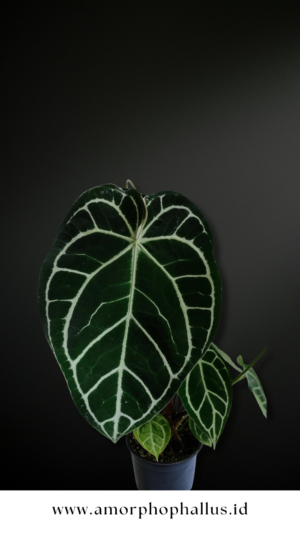
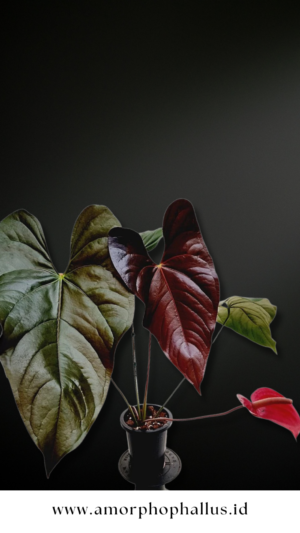
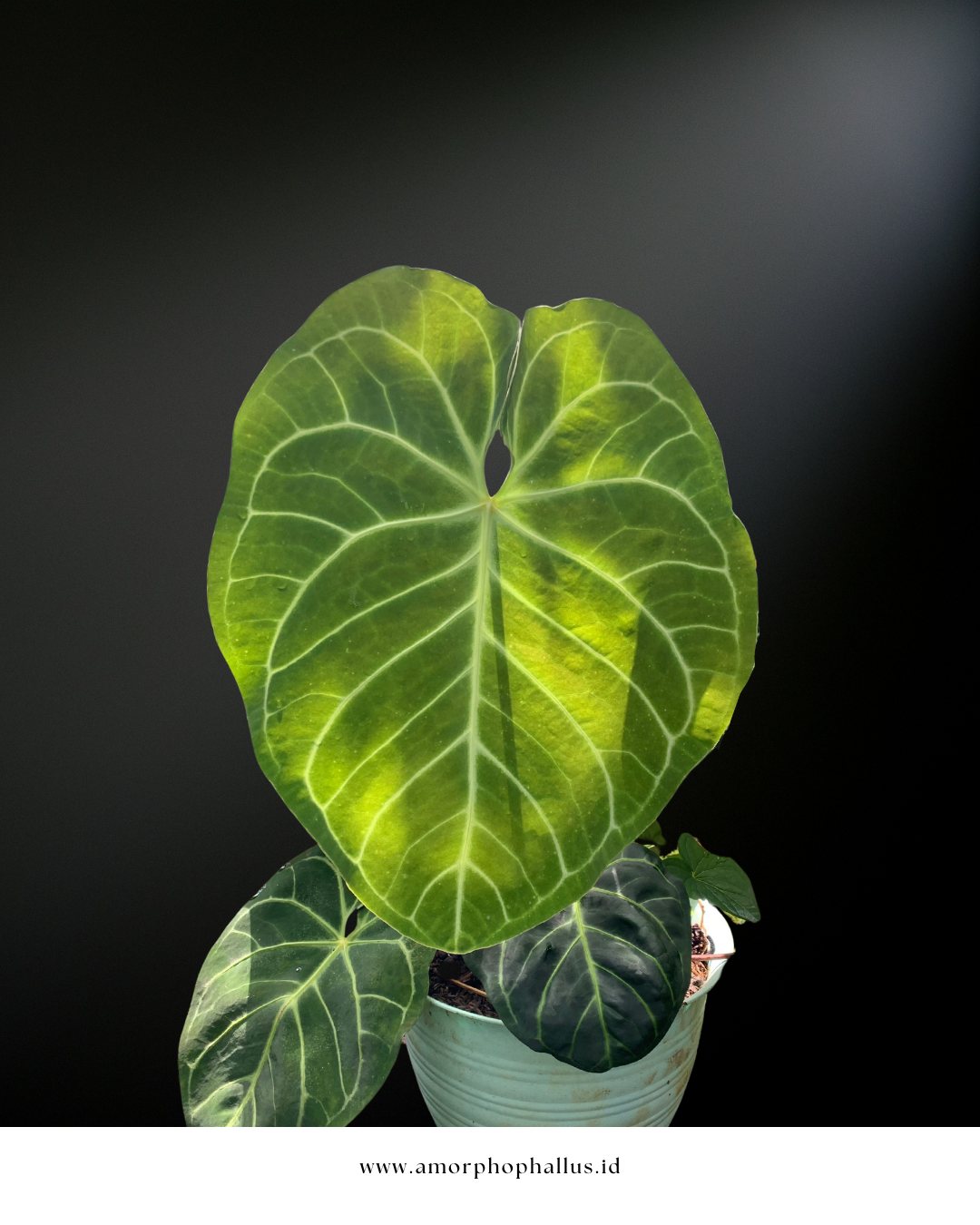
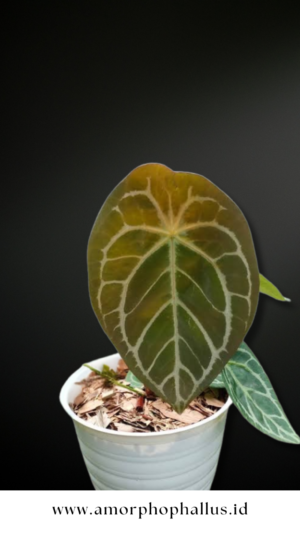
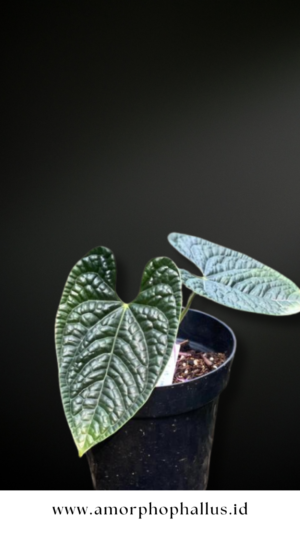
Anthurium regale ‘Silver Bone’

A monumental velvet-leaf aroid, Anthurium regale ‘Silver Bone’ mesmerizes collectors through immense silver-veined foliage, sculptural elegance, and profound tropical presence.

Botanical Profile

Scientific NameAnthurium regale ‘Silver Bone’
FamilyAraceae
OriginCultivated form originating from Peruvian species lineage
Growth TypeTerrestrial tropical velvet-leaf aroid
RarityVery Rare
Collector LevelAdvanced
ClimateWarm Humid Tropicalc
$7.0 price exclude tax
$300.0 price exclude tax
$500.0 price exclude tax
Inquire About This Species

Light

In habitat, Anthurium regale develops beneath dense tropical canopy where filtered rainforest light reaches the understory in soft shifting layers. Bright indirect illumination supports stronger venation contrast, broader foliage expansion, and more refined velvet texture. Meanwhile, excessive direct sunlight may scorch the leaf surface and diminish overall foliage quality. In cultivation, collectors often achieve the most dramatic silver venation under diffused greenhouse lighting with stable humidity and gentle airflow.
Humidity

The species thrives within consistently elevated humidity that replicates the saturated atmosphere of tropical clouded understories. High atmospheric moisture supports smoother leaf unfurling, stronger velvet texture, and healthier root activity throughout continuous growth cycles. In contrast, dry air may deform emerging foliage and reduce overall leaf size over time. Consequently, stable humidity combined with continuous airflow remains essential for maintaining mature specimen quality.

Soil

Anthurium regale ‘Silver Bone’ prefers an exceptionally airy substrate rich in organic matter while maintaining rapid drainage around the root system. Fine bark, sphagnum moss, tree fern fiber, pumice, charcoal, and coarse coco material create conditions similar to loose rainforest debris accumulation. Additionally, continuous oxygen movement through the substrate encourages healthier root development and stronger foliage production. Dense or compacted media frequently reduce vigor and compromise long-term growth quality.

Temperature

Warm tropical temperatures encourage continuous vegetative growth and larger foliage development throughout the year. The species performs best under stable warmth, particularly during active leaf expansion and root establishment. Meanwhile, prolonged exposure to cooler conditions may slow growth significantly and weaken overall vigor. Although mature plants tolerate brief fluctuations, sustained cold stress often damages foliage texture and structural refinement.

Dormancy

Unlike seasonal geophytic aroids, Anthurium regale ‘Silver Bone’ does not enter true dormancy under stable tropical conditions. Growth may slow modestly during cooler or darker periods; however, the plant generally maintains continuous root and foliage activity throughout the year. Because of this perpetual growth rhythm, consistent environmental stability remains especially important for maintaining mature foliage quality and structural balance.

Germination

Seeds of Anthurium regale germinate most successfully under warm, humid conditions with lightly moist sphagnum or highly breathable organic substrate. Fresh seed viability declines relatively quickly, making recent harvest especially important for successful propagation. Early seedlings initially produce modest juvenile foliage before gradually developing the heavier venation and velvet texture associated with mature plants. Over time, each successive leaf reveals increasing scale and structural sophistication.

Growth Difficulty

Anthurium regale ‘Silver Bone’ rewards attentive cultivation yet demands environmental consistency to achieve its full architectural potential. The species remains sensitive to low humidity, stagnant substrate conditions, abrupt environmental fluctuations, and insufficient airflow. Additionally, mature foliage development requires patience, stable root health, and carefully balanced tropical conditions over extended periods. Although juvenile plants establish relatively steadily, producing truly monumental specimens requires long-term refinement and collector-level environmental management.