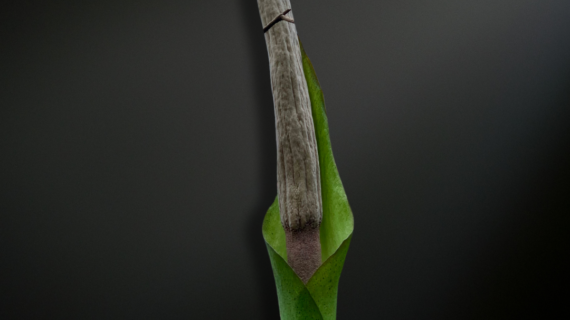
Amorphophallus asper — The Rugged Giant of Southeast Asian Rainforests
Among the lesser-known giants of the genus, Amorphophallus asper possesses a distinctly primitive and almost prehistoric presence that has made it increasingly admired among serious aroid collectors and botanical enthusiasts. Native to the humid tropical forests of Southeast Asia, this remarkable species is recognized for its imposing structure, heavily textured morphology, and dramatic seasonal growth cycle that defines the allure of the Amorphophallus genus itself.
Unlike the more commonly cultivated ornamental aroids, Amorphophallus asper carries a rarer, more enigmatic character — one appreciated not through flamboyant coloration alone, but through scale, form, and botanical intrigue. Its architectural foliage emerges from an underground tuber with extraordinary vigor, producing a canopy-like leaf structure that can dominate a growing space with unmistakable presence. The species’ coarse textures and rugged appearance give rise to its name “asper,” evoking the rough and untamed nature of the rainforest environments from which it originates.
Botanical Significance
A Rare Collector’s Species
Within specialist cultivation circles, Amorphophallus asper remains comparatively uncommon, particularly outside Southeast Asia. Its scarcity in commercial horticulture has elevated its desirability among collectors seeking unusual and underrepresented members of the genus. Mature specimens are especially admired for their commanding stature and the increasingly dramatic proportions achieved as the tuber develops over successive growth cycles.
For dedicated collectors, the appeal of this species lies not only in rarity, but also in the sense of discovery it offers. Each dormant season and subsequent emergence becomes a theatrical event — a gradual unveiling of scale, texture, and botanical complexity.
Distinctive Morphology
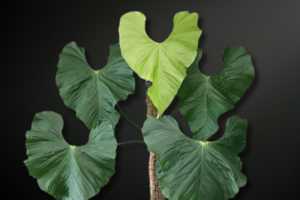
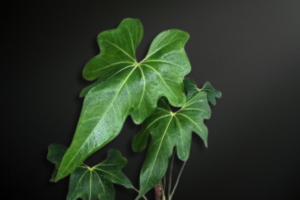
Amorphophallus asper is characterized by its robust petiole, heavily mottled surfaces, and expansive umbrella-like foliage that reflects the dramatic architecture typical of large tropical aroids. The species exhibits an especially rugged aesthetic compared to smoother or more ornamental relatives, giving it a wild, ancient quality highly valued in curated tropical plant collections.
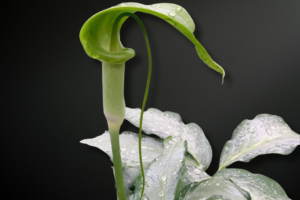
Its inflorescence, while less widely documented than iconic species such as Amorphophallus titanum, carries the same mysterious and ephemeral beauty that defines the genus — an extraordinary reproductive structure emerging briefly before returning again to dormancy.
Habitat & Origin
Native Environment
This species originates from humid lowland tropical forests where intense rainfall, seasonal humidity, and rich organic soils create ideal conditions for large tuberous aroids. In habitat, Amorphophallus asper grows beneath dense forest canopies, emerging dramatically during active growth periods before retreating underground during dormancy.
Its adaptation to these cyclical rainforest conditions contributes greatly to its fascination among collectors, as the species embodies the rhythm and unpredictability of tropical ecosystems themselves.
Why Collectors Seek Amorphophallus asper
Architectural Presence
Few tropical plants possess the same sculptural authority as a mature Amorphophallus. Amorphophallus asper, in particular, offers a more rugged and untamed interpretation of that grandeur — less refined, perhaps, but profoundly atmospheric and visually commanding.
Increasing Rarity in Cultivation
As collector interest in unusual Amorphophallus species continues to grow internationally, lesser-known taxa such as Amorphophallus asper are becoming increasingly difficult to acquire, especially in strong, viable form. This growing scarcity has positioned the species as a prized acquisition within rare tropical plant collections.
A Living Botanical Curiosity
More than an ornamental plant, Amorphophallus asper represents a living botanical phenomenon — a species that captures the fascination of rainforest ecology, ancient plant evolution, and the dramatic survival strategies of tropical aroids in a single extraordinary form.
Collector’s Perspective
For enthusiasts of rare aroids and tropical oddities, Amorphophallus asper offers something increasingly rare in modern horticulture: genuine mystery. Its seasonal transformations, formidable proportions, and uncommon presence in cultivation create an experience that feels closer to botanical exploration than conventional plant collecting.
In carefully curated collections, the species stands not merely as a plant, but as a statement of dedication to rare tropical biodiversity and the pursuit of extraordinary botanical forms.
Looking for Rare Amorphophallus Species?
Explore our collection of rare tubers, seeds, and exotic aroids directly from Indonesia. Carefully prepared for international shipping.