AMORPHOPHALLUS.ID

Amorphophallus hirsutus

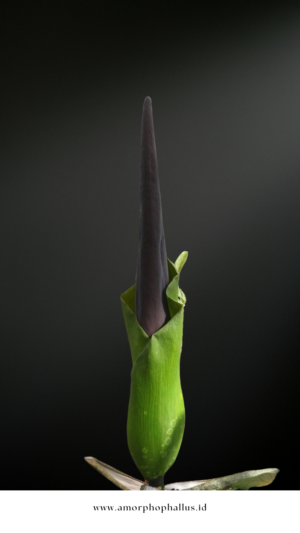
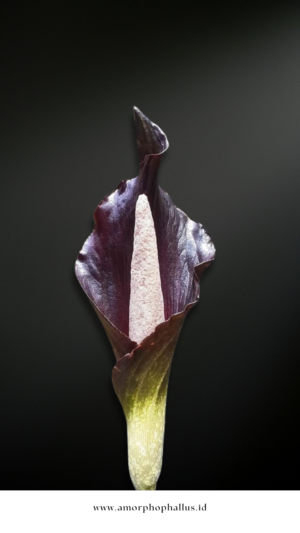
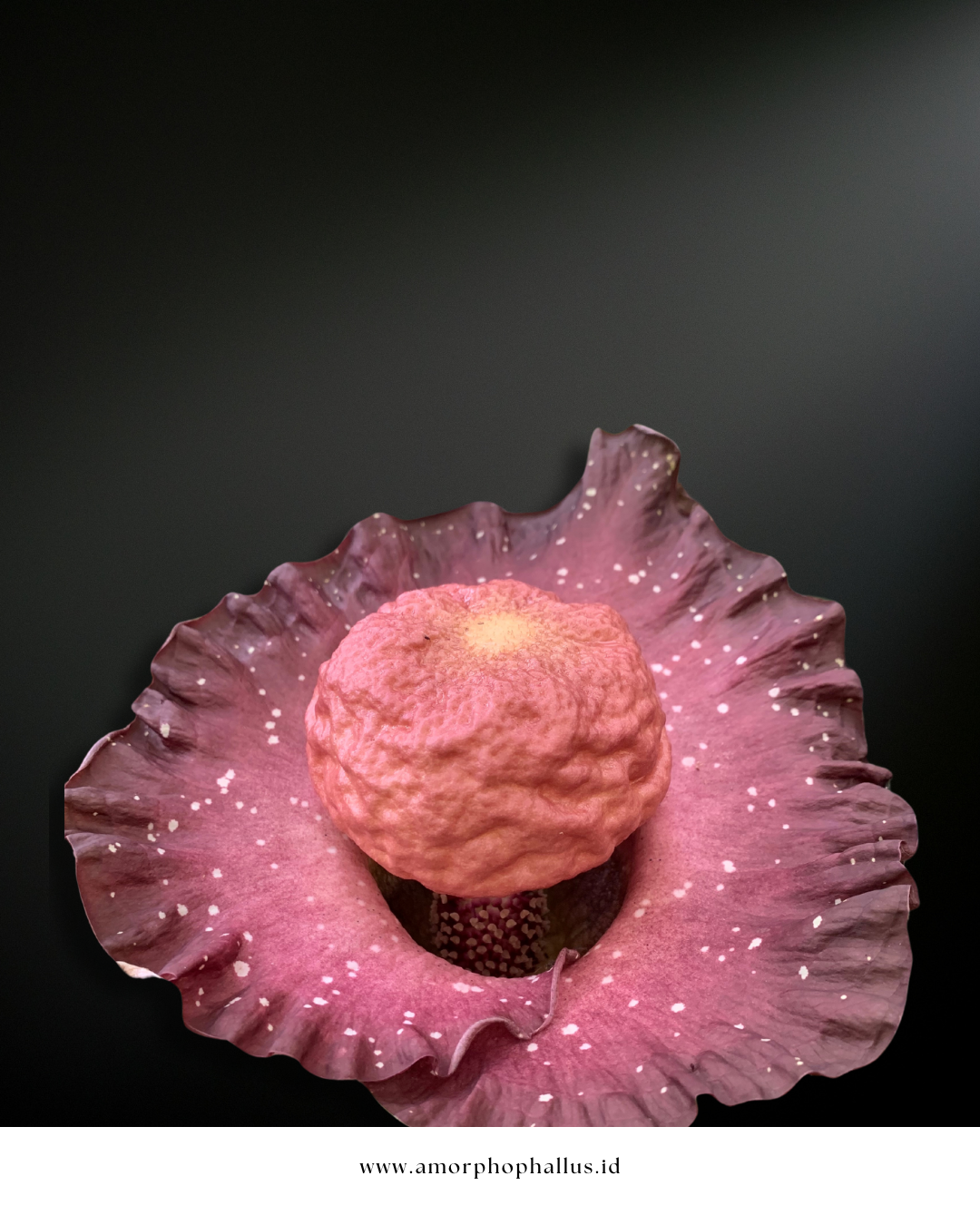
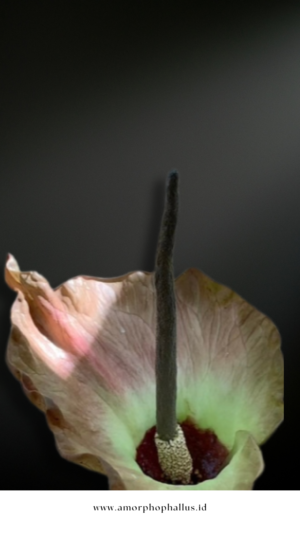
Amorphophallus hirsutus is a rare tropical understory aroid admired for its hirsute foliage textures, refined rainforest atmosphere, and extraordinary botanical subtlety within advanced collector-focused aroid collections.

Botanical Profile

Scientific NameAmorphophallus hirsutus
FamilyAraceae
OriginSoutheast Asia
Growth TypeTuberous tropical understory aroid with textured seasonal foliage
RarityVery Rare
Collector LevelAdvanced
ClimateWarm Humid Tropical
$80.0 price exclude tax
$150.0 price exclude tax
$5.0 price exclude tax
$40.0 price exclude tax
Inquire About This Species

Light

Amorphophallus hirsutus develops beneath dense rainforest canopies where filtered illumination reaches the understory in soft fragmented intervals. In habitat, the species experiences subdued light enriched by persistent atmospheric moisture and surrounding vegetation density. Under cultivation, bright indirect conditions encourage stronger foliage texture and more balanced structural development without overwhelming the delicate surface characteristics. Excessive direct sunlight frequently diminishes foliar refinement and may stress the species during active growth.
Humidity

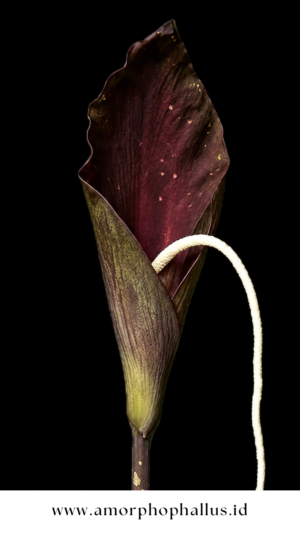
This species demonstrates a strong preference for consistently humid environments typical of mature tropical rainforest interiors. Elevated atmospheric moisture enhances the visual depth of the hirsute surfaces and supports supple, stable foliage expansion throughout the growing season. In habitat, humidity remains persistently high beneath layered canopy systems and decomposing organic substrates. In cultivation, stable moisture-rich air greatly improves overall vigor and preserves the plant’s distinctly tactile appearance.

Soil

Amorphophallus hirsutus favors loose, highly organic substrates rich in decomposed leaf matter and coarse aerating materials. In habitat, the species develops within humus-heavy forest soils layered with decomposing vegetation, fragmented wood particles, and biologically active organic debris. Cultivated specimens respond particularly well to airy media that retain moderate moisture while preventing compaction around the tuber. Dense or poorly ventilated substrates often reduce root activity and compromise long-term tuber stability.

Temperature

As a tropical understory species, Amorphophallus hirsutus prospers under consistently warm conditions accompanied by elevated humidity and stable environmental rhythm. Warm temperatures support balanced foliage expansion and sustained metabolic activity throughout the active season. Cooler conditions frequently slow development and may interrupt normal growth progression before the tuber fully matures. Prolonged cold exposure often weakens future emergence cycles, especially when combined with excessive substrate moisture.

Dormancy

Amorphophallus hirsutus undergoes a seasonal dormant phase following the gradual senescence of its solitary annual leaf. During dormancy, the tuber retreats beneath the substrate and conserves accumulated energy reserves while environmental conditions shift subtly within the surrounding ecosystem. In habitat, this rest period commonly corresponds with transitional rainfall patterns rather than severe climatic extremes. Mature specimens generally develop increasingly stable dormancy cycles and stronger seasonal emergence over time.

Germination

Fresh seed of Amorphophallus hirsutus typically germinates gradually under warm, humid conditions that closely replicate shaded tropical rainforest environments. Early seedlings often prioritize subterranean tuber development before producing increasingly textured juvenile foliage. Growth during initial stages may appear measured rather than rapid, although stable warmth and moisture significantly improve establishment success. Young plants frequently display subtle variation in texture and vegetative structure, adding further interest for long-term collectors.

Growth Difficulty

Amorphophallus hirsutus is best suited to experienced collectors capable of maintaining stable tropical understory conditions throughout both active growth and dormancy. The species requires careful balance between humidity, substrate aeration, warmth, and moisture regulation to maintain consistent vigor and refined foliage quality. Although not exceptionally large, it remains highly rewarding because of its rarity, tactile morphology, and deeply atmospheric presence. For dedicated aroid enthusiasts, the species represents an unusually sophisticated example of rainforest specialization within the genus.