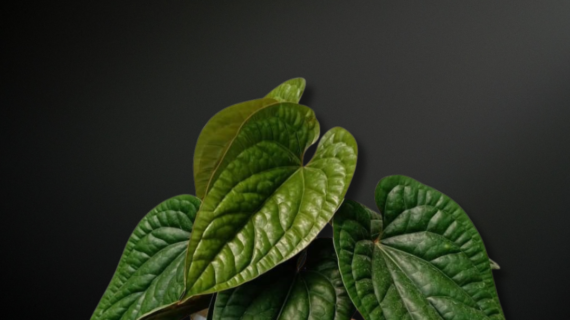
Anthurium radicans — The Bullate Jewel of Tropical Forest Floors
Among the most texturally distinctive foliage aroids in cultivation, Anthurium radicans possesses a compact yet deeply sculptural presence shaped by rainforest humidity, creeping growth, and heavily bullate foliage. Unlike towering architectural anthuriums that dominate through sheer scale, this species captivates through surface complexity and intimate botanical detail. Every mature leaf appears almost quilted, as though shaped by rainfall, shadow, and centuries of tropical evolution.
The species moves slowly across the substrate through a creeping rhizomatous habit, producing clusters of dark textured foliage pressed close to the forest floor. Meanwhile, light drifts unevenly across the bullate leaf surface, creating shifting highlights and deepened shadow that transform the plant continuously beneath humid greenhouse conditions.
For collectors, Anthurium radicans offers a very different kind of tropical beauty — one rooted not in monumentality, but in texture, atmosphere, and refined ecological realism. Its presence feels ancient, grounded, and unmistakably connected to the saturated understories of Central American rainforests.
Botanical Significance
Collector Value
Within aroid collections, Anthurium radicans remains highly admired for its intensely bullate foliage and unusual creeping growth habit. The species occupies a unique position among foliage anthuriums because it combines compact scale with extraordinary textural depth.
Moreover, mature specimens become increasingly dramatic as the rhizome extends and produces dense clusters of overlapping leaves. Consequently, well-established plants develop a lush rainforest appearance that feels immersive despite their comparatively restrained dimensions.
For collectors, the species represents an ideal balance between botanical sophistication and manageable cultivation size. Over time, each successive leaf contributes additional texture and structural complexity.
Distinctive Morphology
The defining feature of Anthurium radicans lies in its heavily bullate foliage. The leaf surface rises and folds between the veins, producing an inflated quilted texture unlike the smoother blades seen in many tropical anthuriums.
Meanwhile, the foliage typically develops deep green to olive coloration with a semi-gloss finish that amplifies shadow and contour beneath filtered light. Mature leaves remain relatively compact yet possess remarkable density and visual weight.
Unlike elongated velvet species that emphasize venation and scale, Anthurium radicans communicates sophistication through tactile structure and rainforest intimacy. Because of this, collectors frequently describe the plant as one of the most texturally satisfying foliage aroids in cultivation.
Habitat & Origin
Native Environment
Anthurium radicans originates from humid tropical forests of Central America, particularly Panama and surrounding regions, where dense canopy systems maintain high atmospheric moisture, stable warmth, and subdued understory illumination throughout the year.
In habitat, the species grows terrestrially across moss-covered forest floors, decomposing organic debris, and shaded rocky environments enriched by constant rainfall and airflow. Filtered rainforest light reaches the understory softly while saturated atmospheric humidity supports continuous vegetative growth.
Consequently, the species evolved foliage adapted for efficient moisture regulation and low-growing survival within stable rainforest ecosystems.
Ecological Adaptations
Unlike climbing or towering aroids that compete vertically for light, Anthurium radicans spreads horizontally through creeping rhizomatous growth. This strategy allows the species to colonize shaded forest surfaces efficiently while maintaining close contact with humid substrate layers rich in organic material.
The heavily bullate leaf structure may assist with moisture management and structural durability beneath saturated tropical conditions. Additionally, the compact growth habit minimizes environmental stress from shifting understory conditions and heavy rainfall.
Because of these adaptations, mature specimens develop dense textured colonies that blend seamlessly into rainforest floor environments.
Why Collectors Seek Anthurium radicans
Rarity
Although Anthurium radicans has become increasingly recognized among aroid enthusiasts, mature established specimens remain especially desirable because the species develops its finest textural qualities only over time. Dense creeping colonies with heavily bullate foliage possess a visual richness rarely achieved in younger plants.
Moreover, the species differs sharply from more familiar elongated velvet anthuriums. Rather than emphasizing scale or dramatic venation, it offers concentrated textural intensity and ecological realism.
For many enthusiasts, cultivating Anthurium radicans becomes less about floral display and more about creating a living fragment of rainforest understory.
Architectural Presence
Despite its comparatively compact stature, Anthurium radicans creates extraordinary visual depth through texture alone. The layered bullate foliage forms dense undulating surfaces that transform greenhouse staging into richly atmospheric tropical compositions.
In cultivation, the species pairs beautifully with moss-covered stone, weathered ceramic containers, tree fern panels, and shaded terrarium-inspired environments where humidity softens surrounding textures.
Beyond this, the creeping growth habit introduces a gradual horizontal expansion deeply appreciated among collectors who value long-term structural evolution.
Botanical Interest
From a botanical perspective, Anthurium radicans offers exceptional insight into foliage specialization and substrate adaptation within tropical rainforest aroids. Its creeping rhizome, compact habit, and intensely bullate leaves distinguish it sharply from upright ornamental relatives.
Unlike species cultivated primarily for oversized foliage or dramatic venation, this plant rewards close observation and environmental refinement. Over time, subtle shifts in texture, leaf density, and rhizome spread reveal increasing sophistication.
Ultimately, the species appeals most strongly to collectors drawn toward tactile foliage, atmospheric cultivation, and rainforest authenticity.
Collector’s Perspective
Cultivating Anthurium radicans often becomes an exercise in recreating saturated tropical understory conditions. Stable humidity, warmth, airflow, and breathable substrate all contribute directly to foliage texture and long-term colony development.
Meanwhile, each new leaf introduces anticipation shaped by evolving surface texture and structural density. Mature specimens gradually form interconnected clusters that feel less like individual plants and more like living rainforest terrain.
Over time, established colonies develop remarkable depth and textural authority despite their modest size. Because of this progression, collectors frequently maintain specimens for many years as foundational components within tropical aroid displays.
Foliage Characteristics
The foliage of Anthurium radicans ranks among the most heavily textured within cultivated anthuriums. Deep bullation creates a sculpted three-dimensional surface that shifts dramatically beneath humid greenhouse light.
New leaves frequently emerge with lighter bronze-green undertones before gradually deepening into darker mature coloration. Meanwhile, elevated humidity intensifies surface texture and contributes to smoother leaf expansion during active growth.
Under ideal cultivation conditions, mature colonies develop dense overlapping foliage capable of transforming surrounding space with concentrated tropical atmosphere.
Comparison With Related Species
Compared with Anthurium luxurians, another bullate foliage species, Anthurium radicans develops a more compact creeping habit with smaller yet denser textured leaves. While luxurians expresses dramatic sculptural foliage through upright growth, radicans conveys intimacy and rainforest floor realism.
In contrast to velvet species such as Anthurium crystallinum or Anthurium regale, this plant emphasizes tactile structure rather than reflective venation. Because of this, advanced collectors frequently regard Anthurium radicans as one of the most ecologically expressive compact anthuriums in cultivation.
Additionally, its creeping rhizomatous habit contributes exceptional versatility within terrarium, vivarium, and shaded greenhouse compositions.
Looking for Rare Amorphophallus Species?
Explore our collection of rare tubers, seeds, and exotic aroids directly from Indonesia. Carefully prepared for international shipping.