Cultivating Amorphophallus asper : Ancient Shadows Beneath the Tropical Canopy
The name Amorphophallus asper carries both botanical weight and visual honesty. The genus name Amorphophallus, derived from Greek roots meaning “misshapen phallus,” references the unusual floral structure that defines this extraordinary lineage of aroids. Meanwhile, the species epithet asper originates from Latin, describing a roughened or coarse texture — an apt reflection of the plant’s rugged petioles and deeply tactile character. Early botanical explorers encountered this remarkable species within humid Southeast Asian forests where dense canopy, volcanic soil, and monsoonal rainfall shaped its dramatic seasonal rhythm. Today, Amorphophallus asper continues to fascinate Rare Aroid Collector communities through its raw architectural presence and atmospheric rainforest identity. Unlike more polished ornamental species, this plant retains the untamed spirit of ancient tropical understory ecosystems.
Understanding Amorphophallus asper
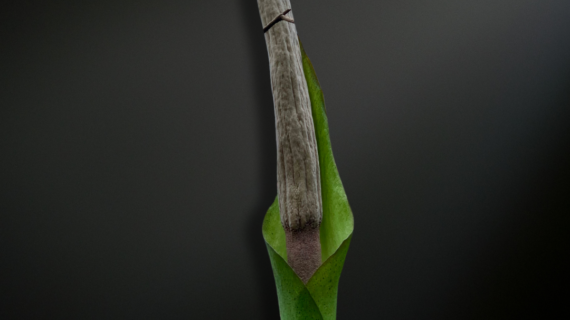
In habitat, Amorphophallus asper develops within humid lowland and transitional tropical forests where filtered light moves softly across decomposing leaf litter and moss-covered ground. The species emerges seasonally from a subterranean tuber that stores enormous reserves of moisture and energy beneath the forest floor. During active growth, a singular towering petiole rises with mottled texture and coarse surface character before supporting a broad divided canopy of foliage above surrounding understory vegetation.
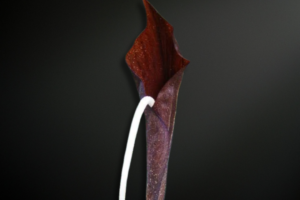
Meanwhile, the inflorescence appears with theatrical intensity. Thick sculptural spathes unfold beside the forest floor while the central spadix releases scent and thermal energy designed to attract specialized pollinators. Because of this highly evolved flowering strategy, Amorphophallus asper occupies a particularly compelling position among Rare Aroid Species From Indonesia and Southeast Asia.
For collectors, the fascination extends beyond rarity alone. The species embodies the atmosphere of monsoonal rainforest ecology — dramatic emergence, rapid seasonal expansion, and eventual retreat into dormancy as environmental conditions shift over time.
Light
Canopy Behavior
In habitat, Amorphophallus asper develops beneath layered tropical canopy where sunlight rarely strikes the forest floor directly for prolonged periods. Filtered brightness encourages stronger leaf expansion, thicker petiole development, and more balanced growth rhythm throughout the active season. Moreover, shifting canopy light creates subtle variation across the immense foliage surface, emphasizing texture and structural depth.
In contrast, excessive direct sunlight may scorch foliage margins and weaken overall vigor, particularly during hotter seasonal periods. Because of this sensitivity, the species performs best under diffused illumination that mirrors rainforest understory conditions.
Indoor & Greenhouse Cultivation
In cultivation, collectors often recreate habitat lighting through shaded greenhouse panels, overhead mesh filtration, or carefully positioned indoor grow environments. Bright indirect light encourages stronger photosynthetic activity while preserving foliage quality and preventing heat stress around the tuber zone.
Meanwhile, insufficient light may produce elongated petioles and weaker structural posture over time. Consequently, experienced growers maintain a delicate balance between brightness and protection, especially during periods of rapid seasonal expansion.
Humidity
Rainforest Moisture Dynamics
The forests inhabited by Amorphophallus asper maintain persistently elevated humidity shaped by rainfall, decomposing organic matter, and dense vegetation layers. Moist air surrounds the foliage continuously while airflow moves gently beneath the canopy, preventing stagnation without reducing atmospheric saturation.
Additionally, high humidity supports smoother leaf unfurling and healthier root development throughout the growing cycle. In habitat, the species benefits from monsoonal transitions that intensify moisture availability during active seasonal growth.
Maintaining Humidity In Cultivation
In cultivation, stable humidity dramatically improves foliage texture, growth pace, and overall vigor. Greenhouse environments generally produce the best long-term results because they replicate the atmospheric consistency found in tropical forests.
Meanwhile, completely stagnant air may encourage fungal instability around the tuber and root zone. Because of this, experienced Rare Aroid Collector growers combine elevated humidity with steady airflow to maintain healthy environmental equilibrium.
Young specimens adapt well to enclosed growing chambers during early development. However, mature plants eventually require broader spatial airflow due to their expanding foliage structure and increasing seasonal energy demands.
Soil
Root Zone Ecology
Beneath tropical forest canopy, Amorphophallus asper anchors itself within rich decomposing organic material layered over mineral soil and fragmented volcanic debris. Fallen leaves, microbial activity, fungal networks, and seasonal moisture all contribute to a breathable yet moisture-retentive root environment.
Moreover, the subterranean tuber depends upon oxygen movement within the surrounding substrate. Dense compacted soil restricts healthy root expansion and may compromise dormancy stability during wetter periods.
Ideal Cultivation Mix
In cultivation, collectors typically favor highly aerated substrates composed of coarse organic matter, bark fragments, pumice, charcoal, coco husk, and decomposed leaf compost. This structure preserves moisture while maintaining continuous airflow around the tuber.
Meanwhile, overly dense mixes frequently create unstable moisture pockets that encourage rot during dormancy transitions. Consequently, successful long-term cultivation depends heavily upon balancing hydration with rapid drainage and root-zone oxygenation.
Over time, mature specimens reward stable substrate conditions with stronger seasonal emergence and increasingly dramatic foliage scale.
Temperature
Tropical Climate Preferences
Amorphophallus asper thrives within warm humid tropical temperatures that remain relatively stable throughout the active growing season. In habitat, daytime warmth combines with elevated atmospheric moisture while nighttime cooling remains mild beneath rainforest canopy.
Additionally, seasonal rainfall patterns strongly influence growth intensity and dormancy timing. Because of this ecological adaptation, the species responds best to consistently warm root conditions paired with steady environmental humidity.
In contrast, prolonged cold exposure weakens metabolic activity and may interrupt seasonal growth cycles entirely.
Collector Recommendations
In cultivation, temperatures between 24–31°C generally support optimal vegetative expansion and root activity. Greenhouse environments with stable warmth produce especially vigorous growth during active seasonal phases.
Meanwhile, sudden temperature fluctuations may stress emerging shoots and reduce foliage quality. Consequently, experienced growers avoid exposing active specimens to cold drafts or prolonged cool substrate conditions.
During dormancy, slightly cooler temperatures remain beneficial provided the tuber stays dry and well aerated.
Dormancy
Seasonal Resting Cycle
Like many large tropical geophytic aroids, Amorphophallus asper follows a pronounced dormancy cycle shaped by rainfall patterns and seasonal energy allocation. As environmental conditions shift, the foliage gradually senesces and redirects nutrients back into the subterranean tuber.
In habitat, this retreat allows the species to survive fluctuating moisture availability while conserving resources beneath the forest floor. Eventually, the visible structure disappears entirely until favorable warmth and hydration return.
Because of this ecological rhythm, dormancy forms an essential component of long-term cultivation success.
Dormancy Management
In cultivation, growers gradually reduce watering once foliage begins collapsing naturally. Forcing continued moisture during dormancy frequently destabilizes the tuber and increases fungal risk.
Meanwhile, experienced collectors monitor dormant tubers carefully for firmness, airflow, and environmental consistency. Slight residual moisture remains acceptable, yet excessively wet substrate conditions may compromise viability over time.
As temperatures rise and new growth points emerge, collectors slowly reintroduce hydration to reactivate seasonal growth momentum.
Germination
Seed Behavior
Fresh seeds of Amorphophallus asper typically germinate most successfully under warm humid conditions with stable moisture and gentle airflow. Viability declines relatively quickly after harvest, making fresh seed particularly important for reliable propagation.
Meanwhile, germination timing varies considerably depending upon temperature stability and environmental consistency. Some seedlings emerge rapidly within weeks, while others develop more gradually over extended periods.
Early juvenile growth often appears modest initially before accelerating as tuber reserves strengthen over time.
Factors Affecting Germination Rate
Humidity strongly influences seed hydration and early root formation. However, excessive stagnant moisture may encourage fungal instability around vulnerable seedlings. Consequently, collectors maintain balanced airflow alongside elevated atmospheric humidity during propagation.
Additionally, stable warmth dramatically improves germination consistency. In contrast, fluctuating temperatures frequently delay emergence and reduce seedling vigor.
Because of this sensitivity, Rare Aroid Collector propagation setups often emphasize environmental stability above all else.
Growth Difficulty
Collector Experience Level
Amorphophallus asper rewards attentive cultivation yet demands environmental awareness and seasonal understanding. The species responds strongly to fluctuations in moisture, substrate density, and temperature stability, particularly during transitional growth phases.
Moreover, large mature tubers require substantial spatial planning and careful watering management. Consequently, the species generally suits intermediate to advanced collectors with experience cultivating tropical geophytic aroids.
In cultivation, patience remains essential. Dramatic specimens emerge gradually through repeated seasonal cycles rather than rapid continuous growth.
Long-Term Cultivation Perspective
Over time, mature specimens of Amorphophallus asper develop extraordinary structural presence capable of dominating tropical collections with prehistoric elegance. Each seasonal emergence reveals increasingly massive foliage architecture and stronger ecological character.
Meanwhile, stable cultivation conditions gradually strengthen tuber reserves, improve flowering potential, and produce more vigorous annual growth cycles. Because of this long developmental progression, many collectors maintain individual specimens for decades as living botanical archives.
Ultimately, the species rewards environmental sensitivity more than aggressive intervention. Its beauty unfolds slowly through rhythm, climate, and patience.
Final Collector Perspective
To cultivate Amorphophallus asper successfully means more than simply growing a rare tropical plant. The experience evokes monsoonal forests, volcanic earth, humid understory stillness, and the extraordinary seasonal drama hidden beneath rainforest canopy. Every emergence carries the atmosphere of ancient tropical ecosystems shaped by rainfall, shadow, and ecological patience.
For Rare Aroid Collector communities, the species represents a profound connection to the wild botanical landscapes that continue to define Rare Aroid Species From Indonesia and Southeast Asia. Meanwhile, its roughened texture, towering foliage, and dramatic dormancy cycle preserve an authenticity increasingly rare within modern ornamental cultivation.
Over time, mature specimens transform from unusual curiosities into deeply atmospheric living sculptures — silent reminders of the rainforest rhythms that shaped them long before they entered cultivation.
Looking for Rare Amorphophallus Species?
Explore our collection of rare tubers, seeds, and exotic aroids directly from Indonesia. Carefully prepared for international shipping.