AMORPHOPHALLUS.ID

Amorphophallus infundibuliformis

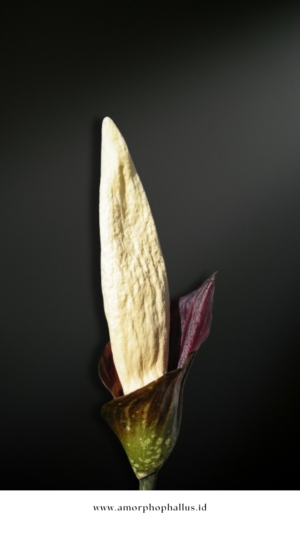
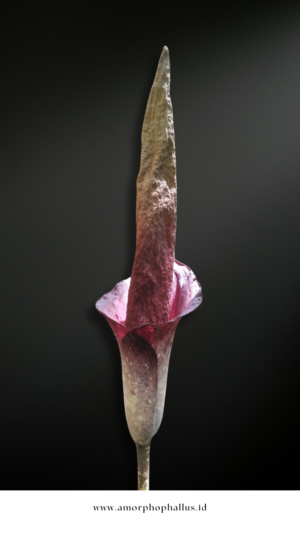
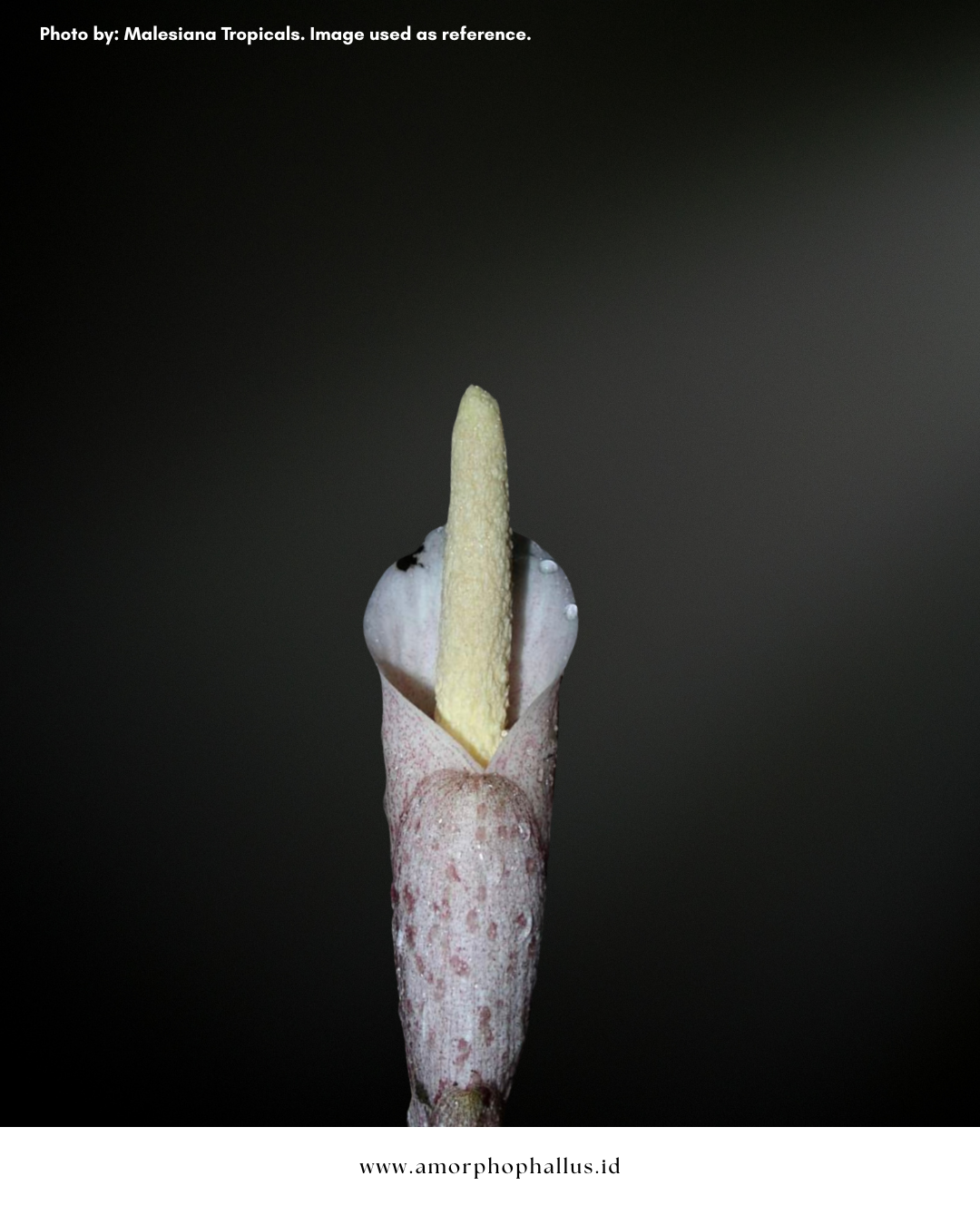
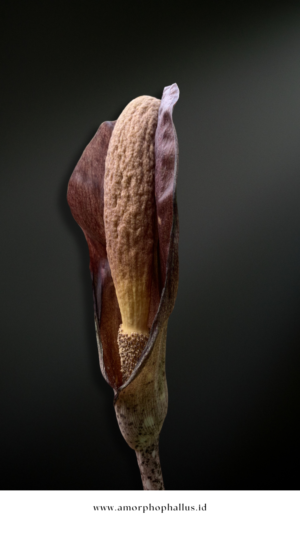
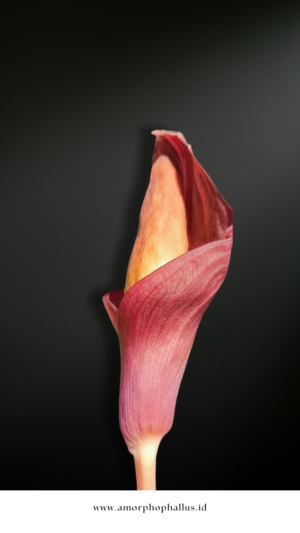
An exceptionally refined Southeast Asian aroid, Amorphophallus infundibuliformis captivates collectors through its funnel-shaped bloom, sculptural canopy, and haunting monsoon forest presence.

Botanical Profile

Scientific NameAmorphophallus infundibuliformis Engl.
FamilyAmorphophallus infundibuliformis Engl.
OriginAraceae
Growth TypeDeciduous tuberous tropical aroid
RarityExtremely Rare
Collector LevelAdvanced
ClimateWarm Humid Tropical
$15.0 price exclude tax
$80.0 price exclude tax
$150.0 price exclude tax
Inquire About This Species

Light

In habitat, Amorphophallus infundibuliformis develops beneath filtered tropical canopy where subdued light moves gently across the forest understory throughout the day. Bright indirect illumination encourages stronger canopy development, balanced petiole structure, and more refined floral formation during active growth. Meanwhile, excessive direct sunlight may stress the foliage and diminish overall vigor. In cultivation, collectors often achieve the most elegant specimens under humid greenhouse conditions with diffused brightness and protected afternoon shade.
Humidity

The species thrives within consistently humid environments that replicate the saturated atmosphere of monsoonal Southeast Asian forests. Elevated humidity supports smoother canopy expansion, healthier root activity, and more vigorous floral development throughout the active season. In contrast, prolonged dry air may interrupt growth momentum and reduce foliage quality over time. Consequently, stable atmospheric moisture combined with gentle airflow remains essential for maintaining vigorous long-term growth.

Soil

Amorphophallus infundibuliformis prefers a highly aerated substrate rich in decomposed organic matter while remaining exceptionally free-draining around the tuber zone. Fine bark, leaf mold, pumice, volcanic aggregates, and coarse coco material create a root environment similar to loose tropical forest debris. Additionally, continuous oxygen movement through the substrate supports healthier root development during periods of active growth. Dense or waterlogged soils may compromise tuber vitality and reduce future flowering potential.

Temperature

Warm tropical temperatures encourage vigorous emergence and sustained vegetative growth throughout the active season. The species performs best under stable warmth, particularly during canopy expansion and floral initiation. Meanwhile, abrupt cooling may slow metabolic activity and encourage premature dormancy. Although mature tubers tolerate occasional mild fluctuations, prolonged exposure to colder conditions frequently weakens subsequent growth cycles.

Dormancy

Like many geophytic aroids, Amorphophallus infundibuliformis follows a pronounced dormancy cycle shaped by seasonal environmental rhythms. As active growth concludes, the solitary canopy gradually senesces while nutrients retreat into the underground tuber. During dormancy, the species enters a necessary period of physiological stillness essential for future emergence and flowering strength. Consequently, experienced growers reduce watering significantly while maintaining warmth and airflow around the resting tuber.

Germination

Fresh seeds generally germinate most successfully under warm, consistently humid conditions with lightly moist and highly breathable organic substrate. Germination timing varies depending on freshness, environmental stability, and temperature consistency. Early seedlings initially produce delicate juvenile foliage before gradually developing the refined architectural characteristics associated with mature specimens. Over time, floral structure and canopy complexity become increasingly pronounced across successive growth cycles.

Growth Difficulty

Fresh seeds generally germinate most successfully under warm, consistently humid conditions with lightly moist and highly breathable organic substrate. Germination timing varies depending on freshness, environmental stability, and temperature consistency. Early seedlings initially produce delicate juvenile foliage before gradually developing the refined architectural characteristics associated with mature specimens. Over time, floral structure and canopy complexity become increasingly pronounced across successive growth cycles.