Amorphophallus paeoniifolius — The Monumental Elephant Foot Yam of Tropical Asia
Among the great terrestrial aroids of the tropical world, Amorphophallus paeoniifolius stands apart through sheer physical authority and ancient botanical presence. Known widely as the Elephant Foot Yam, the species possesses a scale and solidity that immediately evokes the primordial atmosphere of humid Asian forests where massive tubers remain concealed beneath layers of decomposing organic matter. Yet beyond its agricultural familiarity in parts of Asia, the species reveals a remarkably sophisticated ornamental and collector dimension when cultivated as a mature specimen within curated tropical collections.
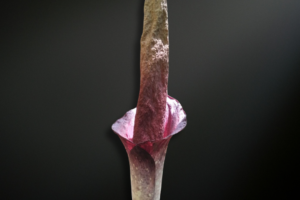
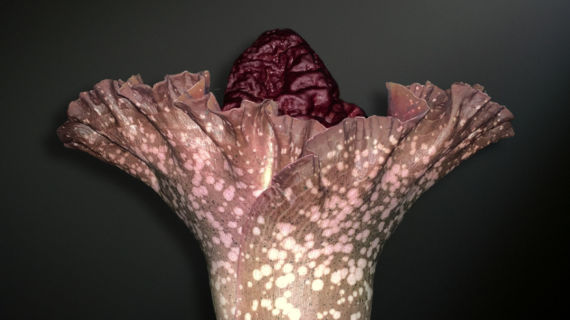
The dramatic emergence cycle of Amorphophallus paeoniifolius contributes greatly to its fascination. From dormancy, an enormous mottled petiole rises with extraordinary vigor before unfolding into a vast umbrella-like canopy that dominates surrounding space with architectural confidence. Meanwhile, mature flowering specimens produce imposing inflorescences with immense sculptural character, reinforcing the species’ reputation as one of the most visually commanding members of the genus. Consequently, collectors often regard it as both a botanical relic and a living expression of tropical abundance.
Botanical Significance
Amorphophallus paeoniifolius occupies a unique position within the genus because of its historical relationship with human cultivation, its immense subterranean tuber system, and its broad ecological adaptability across tropical Asia. Unlike many highly localized Amorphophallus species restricted to isolated rainforest habitats, this plant demonstrates remarkable environmental flexibility while still retaining the dramatic morphology that defines the genus.
Moreover, the species bridges the worlds of ethnobotany and collector horticulture in an unusually compelling way. While widely cultivated as a food crop in several regions, mature ornamental specimens display a grandeur and visual intensity that transcend agricultural identity entirely. Because of this dual significance, Amorphophallus paeoniifoliuscontinues to attract both botanical researchers and serious aroid collectors interested in historically important tropical species.
Collector Value
Collectors value Amorphophallus paeoniifolius for its immense seasonal transformation, monumental tuber formation, and unmistakable prehistoric atmosphere. Mature plants possess extraordinary physical presence, particularly when the massive canopy fully expands and casts layered tropical shadows across surrounding vegetation. The species conveys strength and permanence in a way few tuberous aroids can replicate.
Additionally, flowering events remain especially compelling among collectors. The thick spadix, heavily textured spathe, and dramatic scale of the inflorescence create an experience that feels theatrical and deeply biological at once. Over time, large tubers develop increasing visual and horticultural significance, often becoming long-term centerpiece specimens within tropical collections.
Distinctive Morphology
The morphology of Amorphophallus paeoniifolius expresses both scale and density with remarkable confidence. Its heavily mottled petiole resembles the trunk of a tropical understory tree, rising from the soil with muscular proportions before supporting a broad canopy of deeply divided foliage. The overall structure appears engineered for maximum dominance within humid forest environments.
Unlike more delicate members of the genus, this species projects weight and permanence. The foliage develops with substantial mass and layered complexity, while the subterranean tuber may eventually attain extraordinary dimensions. Additionally, flowering specimens display thick, heavily textured inflorescences that contribute to the plant’s almost prehistoric visual identity.
Habitat & Origin
Amorphophallus paeoniifolius originates across broad regions of tropical Asia, including India, Southeast Asia, and parts of the Indonesian archipelago. In habitat, the species occupies humid lowland forests, forest margins, monsoonal woodland systems, and disturbed tropical environments where seasonal rainfall patterns strongly influence growth cycles.
These ecosystems experience pronounced wet and dry transitions that shape the species’ annual dormancy rhythm. During active rainy periods, warmth and abundant moisture stimulate rapid canopy expansion and tuber growth. Meanwhile, seasonal dryness encourages dormancy and underground energy conservation, allowing the plant to persist through fluctuating tropical conditions.
Native Environment
In habitat, Amorphophallus paeoniifolius frequently develops in fertile organic soils enriched by decaying vegetation and mineral-rich sediment. The surrounding atmosphere remains warm and humid for much of the year, although seasonal shifts in rainfall intensity create more dynamic ecological conditions than those experienced by deeply equatorial rainforest species.
Moreover, the species often inhabits semi-open forest environments where filtered sunlight penetrates more consistently than within dense primary rainforest interiors. This ecological flexibility contributes greatly to its vigorous growth habit and unusually broad adaptability within cultivation.
Ecological Adaptations
The enormous tuber of Amorphophallus paeoniifolius functions as a powerful storage organ capable of sustaining rapid seasonal emergence and prolonged dormancy alike. During active growth, the immense leaf canopy maximizes photosynthetic efficiency and directs substantial energy reserves back into the underground structure. Consequently, mature tubers may increase dramatically in size over successive seasons.
Additionally, the species demonstrates strong adaptation to cyclical tropical environments shaped by alternating abundance and dormancy. Its capacity to retreat underground during unfavorable periods while rapidly exploiting favorable conditions reflects an exceptionally efficient ecological strategy that has contributed to its persistence across wide geographic regions.
Why Collectors Seek Amorphophallus paeoniifolius
Collectors pursue Amorphophallus paeoniifolius because it combines monumental tropical presence with genuine botanical gravitas. The species delivers immediate visual impact while also carrying deep historical and ecological significance. Unlike narrowly ornamental plants, it feels profoundly connected to the ancient biological rhythms of tropical Asia.
For collectors of large aroids, the species represents one of the most satisfying long-term cultivation subjects available. Each growth cycle introduces dramatic transformation, from dormant tuber to towering canopy structure. As a result, mature specimens develop an increasingly commanding presence over time.
Rarity
Although Amorphophallus paeoniifolius exists widely in cultivation across parts of Asia, exceptional ornamental specimens with massive mature tubers remain highly admired among collectors. Select regional forms occasionally display variation in coloration, inflorescence structure, vigor, and foliage architecture, adding further depth to collector interest.
Moreover, large flowering specimens rarely lose their fascination even among experienced growers. Their combination of scale, texture, and biological intensity continues to secure the species a respected position within advanced tropical collections.
Architectural Presence
Few terrestrial aroids create the same sense of physical authority as Amorphophallus paeoniifolius. The immense canopy rises with sculptural confidence and transforms surrounding space into a dense tropical composition rich with shadow and movement. Meanwhile, the thick petiole contributes a visual solidity more reminiscent of woody understory vegetation than herbaceous growth.
Additionally, mature specimens possess extraordinary spatial balance despite their scale. The relationship between tuber mass, petiole height, and canopy spread creates an architectural coherence that feels both natural and monumental.
Botanical Interest
From a botanical perspective, Amorphophallus paeoniifolius offers exceptional insight into the adaptive potential of tuberous tropical aroids. Its enormous storage capacity, rapid seasonal metabolism, and dramatic reproductive structures illustrate the extraordinary evolutionary strategies developed within the genus.
Furthermore, the species maintains enduring ethnobotanical importance across multiple regions of Asia. This historical relationship between plant and human culture adds another layer of fascination for collectors interested not only in morphology, but also in the broader ecological and cultural narratives surrounding tropical plants.
Collector’s Perspective
Among experienced collectors, Amorphophallus paeoniifolius often becomes a defining species because of its scale, consistency, and overwhelming tropical character. The emergence of a mature specimen introduces anticipation unlike that associated with smaller or more delicate aroids. Each new growth cycle feels monumental from the very beginning, particularly as the immense petiole begins its rapid ascent from dormancy.
In cultivation, older tubers develop increasingly dramatic proportions and stronger seasonal performance. The canopy expands with greater density, the structure becomes more imposing, and flowering events acquire tremendous visual significance within the collection itself. Additionally, the species rewards long-term cultivation through sheer physical transformation, evolving steadily into a living tropical monument.
Ultimately, Amorphophallus paeoniifolius embodies the primal grandeur of the genus at its most substantial and enduring. Its combination of botanical history, architectural scale, ecological resilience, and sculptural power ensures its continued importance among collectors devoted to extraordinary tropical aroids.
Looking for Rare Amorphophallus Species?
Explore our collection of rare tubers, seeds, and exotic aroids directly from Indonesia. Carefully prepared for international shipping.