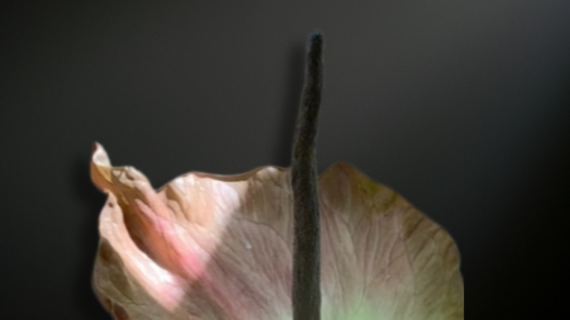
Amorphophallus plicatus — A Sculptural Relic of the Southeast Asian Understory
Within the immense diversity of tropical Asian aroids, Amorphophallus plicatus occupies a quieter yet profoundly captivating position distinguished by texture, form, and remarkable structural elegance. Rather than overwhelming the viewer through monumental scale alone, the species commands attention through refinement and architectural subtlety. Its deeply pleated foliage, measured proportions, and atmospheric rainforest character create an experience that feels intimate, sculptural, and distinctly collector-oriented.
In cultivation, Amorphophallus plicatus reveals itself gradually. Each seasonal emergence introduces new detail within the leaf structure, from the intricate surface undulation of the lamina to the mottled petiole that rises with deliberate composure from the subterranean tuber. Consequently, the species has earned enduring admiration among collectors who appreciate nuanced botanical beauty and understory authenticity rather than dramatic spectacle alone.
Botanical Significance
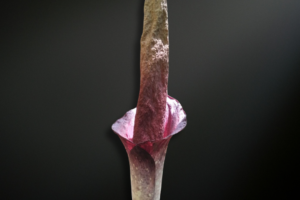
Amorphophallus plicatus holds particular botanical significance because of its uniquely textured foliage and refined vegetative architecture. Within a genus often associated with massive inflorescences and oversized tropical proportions, this species demonstrates how subtle morphology can achieve equally compelling visual impact. The pleated leaf structure immediately distinguishes it from more conventional Amorphophallus foliage forms and contributes to its unusually sculptural presence.
Moreover, the species reflects a highly specialized adaptation to humid understory ecosystems where filtered light, persistent atmospheric moisture, and stable thermal conditions shape plant development with remarkable precision. Because of this ecological refinement, Amorphophallus plicatus often appeals most strongly to experienced collectors drawn toward species with strong environmental character and understated complexity.
Collector Value
Collectors value Amorphophallus plicatus for its rarity, unusual foliage texture, and distinctly atmospheric growth habit. Mature specimens possess an elegant compositional balance that integrates exceptionally well into curated tropical collections emphasizing understory realism and botanical subtlety. Unlike aggressively ornamental species, this plant rewards prolonged observation and increasingly reveals its character through seasonal familiarity.
Additionally, the species remains relatively uncommon in cultivation, particularly as established mature tubers. Because of this, healthy specimens often carry strong archival significance among aroid enthusiasts focused on rare Southeast Asian taxa and morphologically distinctive understory species.
Distinctive Morphology
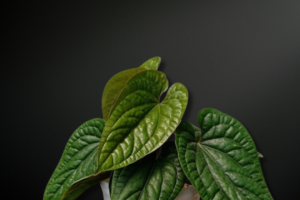
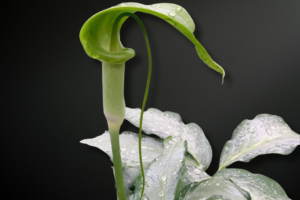
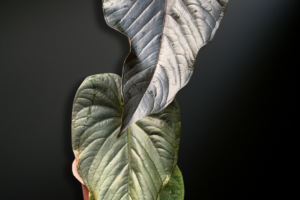
The most defining characteristic of Amorphophallus plicatus lies within its remarkable foliage structure. The lamina develops pronounced pleating and textural undulation that create shifting patterns of shadow and depth beneath filtered tropical light. This sculptural surface transforms the leaf into more than simple foliage; it becomes a dynamic architectural element that changes visually throughout the day.
Meanwhile, the petiole displays intricate mottling that echoes the fragmented visual language of rainforest substrates and decaying organic matter. The species maintains a poised and balanced silhouette, neither excessively dense nor sparse, allowing each morphological detail to remain clearly expressed. As a result, mature plants often resemble carefully composed botanical sculpture rather than conventional tropical foliage.
Habitat & Origin
Amorphophallus plicatus originates from humid tropical regions of Southeast Asia where dense canopy systems regulate light, moisture, and atmospheric stability across the forest floor. In habitat, the species develops among decomposing leaf litter, fragmented wood matter, and deeply organic substrates enriched through centuries of ecological cycling.
These rainforest environments maintain persistent humidity and subdued illumination for much of the year. Meanwhile, gentle air movement and layered vegetation create soft transitions between moisture, shadow, and filtered light. Consequently, the species evolved with strong sensitivity to environmental balance and understory consistency.
Native Environment
In habitat, Amorphophallus plicatus frequently inhabits shaded tropical forest interiors where sunlight penetrates only intermittently through overlapping canopy layers. Moss-covered roots, decomposing trunks, and damp humus-rich soils define the ecological atmosphere surrounding active specimens. The visual environment often appears muted and deeply textured, reinforcing the species’ subtle and immersive botanical character.
Additionally, seasonal rainfall patterns strongly influence annual growth rhythms. Moisture availability regulates tuber activity, foliage duration, and dormancy timing, although environmental transitions typically occur gradually rather than through abrupt climatic extremes.
Ecological Adaptations
The pleated foliage of Amorphophallus plicatus likely contributes to efficient light interception within dim rainforest conditions while also enhancing structural integrity across the lamina surface. This textural adaptation allows the leaf to interact dynamically with filtered understory illumination, maximizing photosynthetic efficiency without excessive rigidity.
Meanwhile, the subterranean tuber functions as an energy reservoir that supports seasonal emergence and dormancy alike. During periods of environmental transition, the species retreats underground while preserving accumulated resources for future growth cycles. Because of these specialized adaptations, Amorphophallus plicatus demonstrates a distinctly refined ecological strategy shaped by stability, humidity, and understory competition.
Why Collectors Seek Amorphophallus plicatus
Collectors pursue Amorphophallus plicatus because it offers a rare convergence of sculptural foliage, atmospheric presence, and botanical rarity. The species introduces texture and compositional depth rarely encountered within the genus, making it especially compelling for collectors who value visual nuance over sheer scale.
Moreover, the plant contributes a distinctly cinematic quality to tropical collections. Under subdued light, the pleated leaf surface produces shifting gradients of shadow that amplify the species’ already immersive rainforest identity. Consequently, many enthusiasts regard it as one of the more aesthetically sophisticated understory Amorphophallusspecies available in cultivation.
Rarity
Although occasionally encountered among specialized aroid growers, Amorphophallus plicatus remains relatively scarce within broader cultivation. Mature specimens are particularly uncommon, largely because of slow tuber development and the species’ limited horticultural distribution compared to more commercially familiar Amorphophallus.
Because of this restricted availability, established plants possess strong collector significance. Enthusiasts often view the species not simply as an ornamental rarity, but as a living representation of Southeast Asia’s increasingly vulnerable rainforest biodiversity.
Architectural Presence
Despite lacking the immense scale of giant Amorphophallus, the species possesses extraordinary architectural refinement. The pleated foliage creates layered visual depth while maintaining an elegant and controlled silhouette that integrates beautifully into tropical understory compositions.
Meanwhile, the relationship between petiole height, lamina spread, and negative space contributes to a remarkably balanced visual structure. Mature specimens frequently evoke the atmosphere of curated botanical installations or rainforest museum displays rather than conventional ornamental cultivation.
Botanical Interest
From a botanical perspective, Amorphophallus plicatus offers compelling insight into the extraordinary morphological diversity present within tropical Asian aroids. Its unusual foliage texture demonstrates how subtle structural adaptations can produce dramatic visual distinction without reliance on exaggerated scale or coloration.
Additionally, the species rewards careful long-term observation. Changes in leaf texture, posture, and overall compositional balance emerge gradually throughout the active growth cycle, creating an evolving relationship between plant and collector that deepens with each seasonal emergence.
Collector’s Perspective
Among experienced aroid enthusiasts, Amorphophallus plicatus often becomes admired less for spectacle and more for atmosphere. The species introduces a level of refinement and compositional sophistication rarely encountered among tropical understory plants. Each emergence carries anticipation shaped by texture, structure, and the subtle transformations that accompany maturity.
In cultivation, mature tubers develop increasingly poised foliage with stronger architectural balance and more pronounced pleating across the lamina surface. The plant gradually acquires a sense of botanical permanence despite its seasonal rhythm, becoming a defining textural element within the broader collection.
Ultimately, Amorphophallus plicatus embodies a quieter and more intimate vision of tropical plant collecting. Its enduring appeal lies not in excess, but in the extraordinary refinement of its morphology, its immersive rainforest character, and its ability to transform subtle botanical detail into profound visual presence.
Looking for Rare Amorphophallus Species?
Explore our collection of rare tubers, seeds, and exotic aroids directly from Indonesia. Carefully prepared for international shipping.