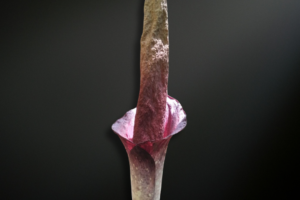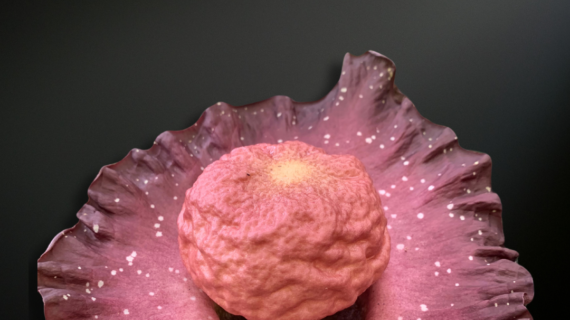
Amorphophallus hirsutus — The Velvet Shadow of the Tropical Forest Floor
Among the more enigmatic members of the genus, Amorphophallus hirsutus captivates collectors through texture, atmosphere, and extraordinary botanical character rather than monumental scale alone. The species carries an almost elusive presence in cultivation, emerging seasonally from dormancy with deeply tactile foliage and a distinctively hirsute morphology that immediately separates it from more familiar tropical aroids. In subdued rainforest light, its surfaces absorb shadow with remarkable depth, giving the plant an unusually cinematic and almost prehistoric visual identity.
Unlike larger and more overtly architectural species, Amorphophallus hirsutus expresses its appeal through intimacy and detail. The subtle hair-like textures across vegetative structures create a layered visual complexity that becomes increasingly compelling upon close observation. Consequently, the species has earned strong admiration among experienced collectors who value rare morphological adaptations and atmospheric understory species with highly specialized ecological character.
Botanical Significance
Amorphophallus hirsutus holds particular botanical significance because of its unusual indumentum and textural differentiation within a genus more commonly associated with smooth or lightly textured vegetative structures. The presence of fine hair-like surfaces across portions of the plant contributes both visual and functional complexity, reflecting adaptation to humid understory environments where moisture regulation and surface interaction play important ecological roles.
Moreover, the species demonstrates how highly localized rainforest taxa can evolve remarkably distinctive identities within the broader Amorphophallus lineage. Its restrained proportions, tactile morphology, and deeply shaded ecological preferences create a botanical profile that feels refined, highly specialized, and unmistakably tied to mature tropical forest systems.
Collector Value
Collectors value Amorphophallus hirsutus for its rarity, unusual surface texture, and immersive rainforest character. Mature specimens possess a distinctly atmospheric quality that differs dramatically from the imposing grandeur of giant Amorphophallus species. Instead, this plant rewards careful observation and prolonged familiarity, gradually revealing increasingly sophisticated detail throughout the active growth cycle.
Additionally, the species remains uncommon within cultivation, particularly outside specialized aroid collections. Because of this limited distribution, healthy established specimens often carry considerable archival significance among collectors focused on obscure Southeast Asian understory taxa and morphologically unique tropical aroids.
Distinctive Morphology
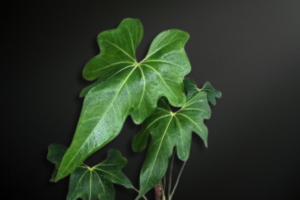
The defining characteristic of Amorphophallus hirsutus lies within its softly hirsute vegetative surfaces, which create an unusually tactile visual presence rarely encountered within the genus. Fine hair-like textures interact dynamically with humidity and filtered light, producing shifting tonal variation across the foliage and petiole structure. Under subdued illumination, the plant develops extraordinary depth and shadow complexity.
Meanwhile, the foliage maintains a poised and balanced architecture that complements rather than overwhelms its textural qualities. The petiole often displays intricate mottling and subdued coloration that blend seamlessly with rainforest substrates and decomposing forest debris. As a result, the species appears profoundly integrated into the ecological atmosphere from which it originates.
Habitat & Origin
Amorphophallus hirsutus originates from humid tropical regions of Southeast Asia where dense rainforest canopies regulate light intensity, atmospheric moisture, and thermal consistency across the forest floor. In habitat, the species develops among thick organic litter layers, decomposing wood matter, moss-covered substrates, and shaded understory vegetation.
These ecosystems remain rich in humidity throughout much of the year while experiencing only subtle fluctuations in environmental conditions. Meanwhile, filtered light penetrates the canopy unevenly, creating a constantly shifting mosaic of shadow and diffuse illumination that strongly influences understory morphology and growth rhythm.
Native Environment
In habitat, Amorphophallus hirsutus frequently occupies deeply shaded rainforest interiors where organic material accumulates continuously across the soil surface. The surrounding atmosphere remains cool relative to exposed tropical environments, buffered by canopy density and persistent moisture retention within the understory layer.
Additionally, the species often develops within highly biodiverse ecological zones rich with fungi, epiphytic growth, and decomposing vegetation. This immersive rainforest setting contributes significantly to the plant’s refined morphology and highly specialized environmental preferences.
Ecological Adaptations
The hirsute surfaces of Amorphophallus hirsutus likely function as adaptive structures associated with moisture interaction and microclimatic regulation within humid rainforest ecosystems. Fine surface textures may assist in reducing excess water accumulation while also influencing boundary-layer humidity surrounding delicate vegetative tissue.
Meanwhile, the subterranean tuber serves as a stable energy reservoir capable of supporting seasonal emergence during favorable environmental periods. During dormancy, the species retreats underground while preserving resources accumulated through the active growth cycle. Consequently, Amorphophallus hirsutus demonstrates an ecological strategy rooted in atmospheric stability, understory specialization, and highly efficient seasonal resource management.
Why Collectors Seek Amorphophallus hirsutus
Collectors pursue Amorphophallus hirsutus because it offers something increasingly rare within ornamental horticulture: genuine botanical individuality. The species does not rely on exaggerated scale or dramatic coloration to establish its presence. Instead, it captivates through texture, atmosphere, and ecological authenticity.
Moreover, the plant introduces extraordinary tactile complexity into tropical collections dominated primarily by smooth foliage forms. Under humid conditions, the subtle surface textures become even more pronounced, creating a living botanical composition that feels immersive and distinctly rainforest-derived. Consequently, many experienced collectors regard it as a species best appreciated through close and sustained observation.
Rarity
Amorphophallus hirsutus remains uncommon within cultivation and is rarely encountered outside specialist aroid collections. Mature tubers are particularly scarce, largely because of limited propagation circulation and the species’ relatively restrained horticultural distribution.
Because of this rarity, established specimens often acquire strong collector prestige. Enthusiasts focused on obscure tropical understory species frequently regard the plant as an important archival addition representing the extraordinary diversity of Southeast Asian rainforest aroids.
Architectural Presence
Although modest in scale compared to giant Amorphophallus, the species possesses remarkable compositional depth and atmospheric presence. The interaction between pleated or textured foliage surfaces, subdued coloration, and soft hirsute structures creates an unusually layered visual effect beneath filtered tropical light.
Meanwhile, the balanced relationship between petiole height and foliage spread allows the plant to integrate elegantly into curated understory displays. Mature specimens often evoke the atmosphere of living rainforest dioramas or botanical museum installations rich with ecological realism.
Botanical Interest
From a botanical perspective, Amorphophallus hirsutus offers compelling insight into the subtle morphological specialization possible within tropical understory aroids. Its textured surfaces, restrained growth habit, and humidity-responsive character distinguish it sharply from more broadly cultivated species.
Additionally, the species rewards attentive long-term cultivation. Variations in texture, foliar posture, and overall compositional balance emerge gradually over successive growth cycles, deepening the relationship between plant and collector through careful observation rather than immediate spectacle.
Collector’s Perspective
Among experienced aroid enthusiasts, Amorphophallus hirsutus often becomes admired as a deeply atmospheric species defined by refinement and rarity rather than sheer visual dominance. The emergence of a mature specimen introduces anticipation shaped by texture, subtle movement, and the quiet drama of rainforest understory growth.
In cultivation, mature tubers gradually produce increasingly stable and refined foliage while maintaining the species’ characteristic tactile quality. The plant develops a calm but unmistakable presence that enriches surrounding collections through contrast and compositional sophistication.
Ultimately, Amorphophallus hirsutus embodies a more intimate dimension of tropical plant collecting. Its enduring appeal emerges through detail, ecological authenticity, and the extraordinary beauty hidden within the quieter corners of the rainforest understory.
Looking for Rare Amorphophallus Species?
Explore our collection of rare tubers, seeds, and exotic aroids directly from Indonesia. Carefully prepared for international shipping.