Cultivating Amorphophallus pendulus : The Hanging Phantom of the Rainforest
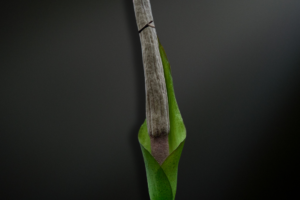
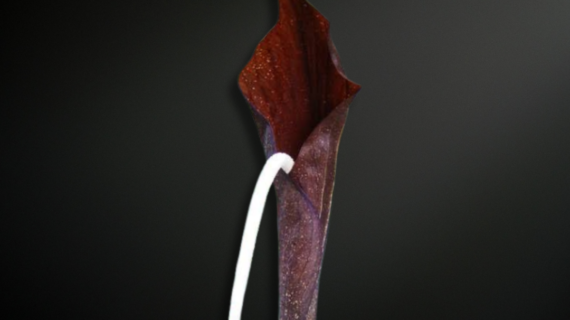
The name Amorphophallus pendulus immediately evokes movement and suspended form. The genus Amorphophallus, derived from ancient Greek, refers to the unusual floral structure shared across this remarkable lineage of tropical aroids. Meanwhile, the species epithet pendulus originates from Latin, meaning “hanging” or “drooping,” a direct reference to the plant’s elegantly suspended floral and vegetative posture. Early botanical documentation of Amorphophallus pendulus revealed a species unlike the heavier terrestrial giants often associated with the genus. Instead, this enigmatic aroid developed a quieter, more atmospheric identity shaped by rainforest shade, vertical growth, and deeply humid forest ecosystems. Today, Rare Aroid Collector communities continue to admire the species for its uncommon silhouette and haunting understory elegance among Rare Aroid Species From Indonesia and Southeast Asia.
Understanding Amorphophallus pendulus
In habitat, Amorphophallus pendulus inhabits humid tropical forests where dense canopy systems soften sunlight and maintain persistently elevated atmospheric moisture. The species frequently develops within shaded ravines, moss-covered slopes, and richly organic forest floors where decomposing vegetation continuously nourishes subterranean tubers.
Unlike more massive species that dominate through overwhelming scale, Amorphophallus pendulus captivates through proportion and posture. Its foliage and floral structures often display a subtle pendulous character that creates remarkable movement beneath filtered rainforest light. Meanwhile, the seasonal emergence cycle introduces dramatic transformation as dormant tubers suddenly awaken with rapid vertical expansion following periods of sustained warmth and rainfall.
For Rare Aroid Collector audiences, the fascination lies not only in rarity but also in atmosphere. The species embodies the quiet tension of tropical understory ecology — restrained, shadowed, and deeply sculptural without relying on excessive ornamentation.
Light
Canopy Behavior
In habitat, Amorphophallus pendulus develops beneath multilayered tropical canopy where filtered illumination drifts unevenly through surrounding vegetation. Bright indirect light encourages stronger foliage expansion, healthier petiole structure, and more balanced seasonal growth. Additionally, gentle shifting light intensifies the elegant posture that defines the species’ visual character.
In contrast, harsh direct sunlight frequently stresses emerging foliage and disrupts moisture balance within the root zone. Because of this sensitivity, the species performs best beneath softened rainforest-style lighting conditions that preserve both texture and structural refinement.
Indoor & Greenhouse Cultivation
In cultivation, collectors often recreate natural canopy conditions through greenhouse shading, overhead mesh filtration, or carefully positioned indoor grow systems. Bright diffused illumination supports healthier seasonal development while protecting delicate foliage surfaces from overheating.
Meanwhile, excessively dark conditions may weaken petiole strength and reduce overall growth vigor over time. Consequently, experienced growers maintain moderate brightness paired with strong humidity and stable warmth throughout the active season.
For mature specimens, gradual environmental consistency matters far more than aggressive light intensity.
Humidity
Rainforest Moisture Dynamics
The native environments of Amorphophallus pendulus remain saturated with atmospheric moisture throughout much of the growing season. Rainfall, decomposing organic matter, and restricted airflow beneath dense canopy all contribute to a humid understory ecosystem that supports rapid seasonal expansion.
Moreover, elevated humidity assists with smoother foliage unfurling and stable root activity during active growth. In habitat, moisture rarely exists in isolation; instead, warm airflow continuously circulates through the understory while preserving atmospheric saturation.
Because of this ecological balance, the species responds strongly to humidity consistency rather than temporary spikes in moisture.
Maintaining Humidity In Cultivation
In cultivation, stable humidity dramatically improves foliage quality and overall plant vigor. Greenhouse environments often produce the most refined specimens because they replicate the atmospheric softness of tropical rainforest ecosystems.
Meanwhile, stagnant enclosed conditions may encourage fungal instability around the tuber zone and emerging shoots. Consequently, successful growers combine elevated humidity with gentle airflow to preserve healthy environmental equilibrium.
Young plants appreciate enclosed humidity chambers during early establishment. However, mature specimens generally perform better with broader airflow and stable ambient moisture rather than excessive enclosure.
Soil
Root Zone Ecology
Beneath tropical canopy, Amorphophallus pendulus anchors itself within loose decomposing forest debris rich in microbial activity and organic matter. Fallen leaves, fragmented wood, moss, and volcanic mineral particles create a highly aerated substrate that retains moisture without remaining stagnant.
Additionally, subterranean tubers depend heavily upon oxygen availability within the surrounding root zone. Dense compacted soils restrict healthy root expansion and may destabilize the species during dormancy transitions.
In habitat, natural fungal activity continuously breaks down organic debris, enriching the soil structure while supporting moisture regulation throughout the seasonal cycle.
Ideal Cultivation Mix
In cultivation, collectors generally favor highly breathable substrates containing coarse bark, pumice, charcoal, coco husk, decomposed leaf compost, and airy organic material. This balance preserves hydration while maintaining continuous airflow around the tuber and developing roots.
Meanwhile, excessively dense potting mixes frequently trap moisture unevenly and increase the likelihood of rot during dormant periods. Because of this sensitivity, experienced growers prioritize drainage and substrate oxygenation above excessive water retention.
Over time, stable root-zone conditions support stronger seasonal emergence and increasingly refined structural development.
Temperature
Tropical Climate Preferences
Amorphophallus pendulus thrives within warm humid tropical conditions where temperatures remain relatively stable throughout the active growing cycle. In habitat, warm daytime conditions combine with elevated humidity and mild nighttime cooling beneath rainforest canopy.
Additionally, seasonal rainfall strongly influences vegetative momentum and flowering behavior. Because of this ecological adaptation, the species responds best to sustained warmth paired with stable atmospheric moisture.
In contrast, prolonged exposure to cold conditions may interrupt seasonal growth cycles and weaken tuber vitality significantly.
Collector Recommendations
In cultivation, temperatures between 24–30°C generally encourage the healthiest foliage expansion and root activity. Warm greenhouse environments with consistent airflow frequently produce the strongest long-term results.
Meanwhile, sudden environmental fluctuations may stress emerging shoots and reduce overall growth stability. Consequently, experienced Rare Aroid Collector growers avoid abrupt temperature shifts, especially during active seasonal emergence.
During dormancy, slightly cooler conditions remain acceptable provided the tuber stays dry, firm, and well ventilated.
Dormancy
Seasonal Resting Cycle
Like many tropical geophytic aroids, Amorphophallus pendulus follows a pronounced dormancy cycle shaped by rainfall patterns and seasonal energy conservation. As environmental conditions shift, foliage gradually senesces while nutrients retreat back into the subterranean tuber.
In habitat, this seasonal retreat protects the species during less favorable environmental periods while preserving resources for future emergence. Eventually, the plant disappears entirely above ground until warmth and moisture return consistently.
Because of this ecological rhythm, dormancy remains essential for long-term cultivation success.
Dormancy Management
In cultivation, growers gradually reduce watering once foliage begins naturally declining. Continuing excessive hydration during dormancy often destabilizes the tuber and encourages fungal complications.
Meanwhile, experienced collectors monitor dormant tubers carefully for firmness, airflow, and environmental consistency. Slight residual moisture remains acceptable, yet saturated substrate conditions frequently create long-term instability.
As seasonal warmth increases and new growth points emerge, collectors slowly reintroduce moisture to reactivate active growth safely and gradually.
Germination
Seed Behavior
Fresh seeds of Amorphophallus pendulus generally germinate most successfully under warm humid conditions with stable moisture and gentle airflow. Viability declines relatively quickly after harvest, making fresh propagation material especially important for reliable success.
Meanwhile, germination speed varies considerably depending upon environmental stability and seed maturity. Some seedlings emerge within weeks under ideal conditions, while others progress more gradually over extended periods.
Early juvenile plants often develop slowly during initial stages before accelerating once tuber reserves strengthen.
Factors Affecting Germination Rate
Humidity strongly influences seed hydration and early root formation. However, excessive stagnant moisture frequently encourages fungal instability around vulnerable seedlings. Consequently, experienced growers balance atmospheric moisture with consistent airflow during propagation.
Additionally, stable warmth dramatically improves germination reliability and seedling vigor. In contrast, fluctuating temperatures commonly delay emergence and weaken developmental consistency.
Because of this sensitivity, Rare Aroid Collector propagation environments often emphasize stability and patience above aggressive intervention.
Growth Difficulty
Collector Experience Level
Amorphophallus pendulus rewards careful cultivation yet demands environmental sensitivity and seasonal awareness. The species responds strongly to fluctuations in moisture, temperature, and substrate aeration, particularly during active growth transitions.
Moreover, maintaining ideal humidity and dormancy conditions requires attentive observation rather than rigid routines. Consequently, the species generally suits intermediate to advanced collectors with prior experience cultivating tropical geophytic aroids.
In cultivation, patience remains essential. Structural refinement and stronger seasonal vigor develop gradually over multiple growth cycles.
Long-Term Cultivation Perspective
Over time, mature specimens of Amorphophallus pendulus develop increasingly elegant posture and stronger ecological character. Each seasonal emergence reveals deeper atmospheric presence shaped by stable cultivation and careful dormancy management.
Meanwhile, long-term environmental consistency strengthens tuber reserves and improves future flowering potential. Because of this gradual developmental rhythm, many collectors maintain individual specimens for years as living expressions of tropical rainforest ecology.
Ultimately, the species rewards subtlety rather than force. Its beauty emerges quietly through climate, rhythm, and observation.
Final Collector Perspective
To cultivate Amorphophallus pendulus successfully means entering the slower rhythm of tropical understory ecosystems where humidity, rainfall, and filtered light shape every stage of growth. The species carries an elegance rooted not in excess, but in restraint — suspended foliage, shadowed structure, and the quiet tension of rainforest adaptation.
For Rare Aroid Collector audiences, Amorphophallus pendulus represents one of the more atmospheric Rare Aroid Species From Indonesia and Southeast Asia, preserving the mysterious visual language of humid tropical forests within cultivation. Meanwhile, its pendulous habit and seasonal transformation evoke the feeling of hidden rainforest corridors layered with moss, moisture, and filtered green light.
Over time, mature specimens become more than cultivated plants. They become living reflections of rainforest stillness and botanical memory.
Looking for Rare Amorphophallus Species?
Explore our collection of rare tubers, seeds, and exotic aroids directly from Indonesia. Carefully prepared for international shipping.