Amorphophallus annulifer — The Ringed Enigma of the Philippine Rainforest
Hidden within the humid tropical forests of the Philippines, Amorphophallus annulifer reveals a distinctly refined and mysterious presence that differs sharply from the monumental scale of larger relatives. Rather than overwhelming through sheer size, the species captivates collectors through intricate patterning, unusual structural details, and a botanical elegance shaped by shadowed rainforest understories. Its subtle complexity rewards close observation, allowing texture, proportion, and morphology to emerge gradually with almost archival precision.
The species carries a particularly atmospheric quality in cultivation. The mottled petiole rises from the subterranean tuber with sculptural clarity before supporting a finely divided canopy that appears suspended above the forest floor. Meanwhile, the inflorescence introduces dramatic tonal contrast and structural tension characteristic of the genus, yet retains a level of restraint that enhances its sophistication. Consequently, Amorphophallus annulifer has become deeply admired among collectors who value nuanced morphology and uncommon Philippine aroids rarely encountered in broader cultivation.
Botanical Significance
Amorphophallus annulifer holds considerable botanical significance because of its localized distribution, distinctive structural characteristics, and refined vegetative expression within the genus. Among Philippine Amorphophallus, the species represents an important example of insular tropical diversification shaped by ecological isolation and rainforest specialization.
Moreover, the species demonstrates how relatively compact aroids can achieve extraordinary visual complexity without relying on extreme scale alone. Its intricate foliage composition, distinctive petiole ornamentation, and carefully balanced proportions contribute to a morphology that feels both highly evolved and unmistakably wild. Because of this, Amorphophallus annulifer occupies a unique position among collectors focused on subtle botanical refinement rather than purely dramatic gigantism.
Collector Value
Collectors value Amorphophallus annulifer for its rarity, refined architecture, and distinctly elegant rainforest character. Mature specimens possess a cultivated visual balance that integrates beautifully into curated aroid collections centered on understory realism and tropical diversity.
Additionally, the species remains relatively scarce outside specialized collections, particularly as mature flowering specimens. Because of this limited cultivation presence, well-established plants often acquire considerable prestige among enthusiasts focused on rare Southeast Asian Amorphophallus and Philippine endemic flora.
Distinctive Morphology
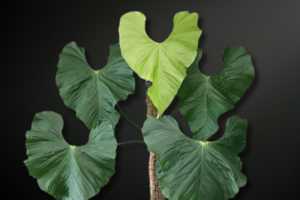
The morphology of Amorphophallus annulifer combines graceful structural proportion with intricate botanical detail. The petiole frequently displays elaborate marbling and ring-like patterning that inspired the species epithet, creating visual textures reminiscent of rainforest bark, mineral deposits, and shadowed tropical stone. Above this support, the divided canopy spreads with refined symmetry and layered transparency.
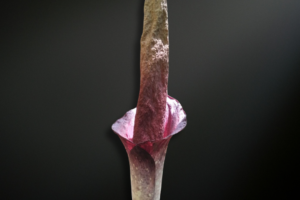
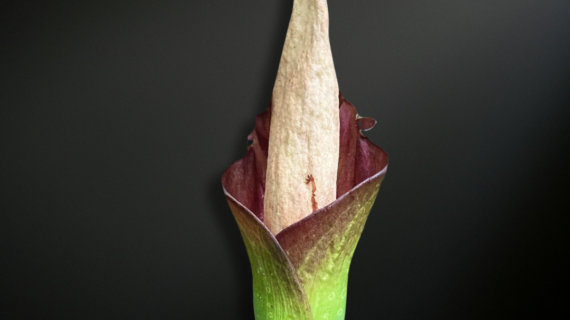
Meanwhile, the inflorescence introduces a darker and more dramatic visual composition characteristic of many rainforest Amorphophallus. The spathe and spadix create an almost sculptural interplay between texture, shadow, and biological intensity. As a result, flowering specimens possess a deeply cinematic presence despite the species’ comparatively restrained scale.
Habitat & Origin
Amorphophallus annulifer originates from the Philippines, where it inhabits humid tropical forest ecosystems shaped by dense canopy cover, volcanic geology, and consistently elevated atmospheric moisture. These environments support remarkable levels of endemism and ecological specialization among understory flora.
In habitat, the species develops within organic-rich soils layered with decomposing vegetation, mineral sediment, and fragmented rainforest debris. Meanwhile, filtered tropical light and stable humidity create favorable conditions for seasonal canopy emergence and subterranean tuber development.
Native Environment
Within its natural range, Amorphophallus annulifer frequently occurs in shaded rainforest interiors where towering vegetation softens light into diffuse green illumination across the forest floor. The surrounding atmosphere remains humid, warm, and rich with decomposing organic material that continuously regenerates the substrate.
Additionally, the fragmented geography of the Philippine archipelago contributes strongly to the species’ rarity and ecological specialization. Isolated forest systems and variable topography have likely shaped localized adaptations that distinguish Amorphophallus annulifer from broader mainland Southeast Asian relatives.
Ecological Adaptations
The subterranean tuber of Amorphophallus annulifer functions as a seasonal energy reservoir that supports rapid emergence during favorable environmental conditions. During active growth, the canopy expands efficiently within filtered understory light before eventually retreating into dormancy as ecological rhythms shift.
Meanwhile, the refined foliage structure likely evolved to maximize light interception within densely shaded rainforest environments where competition for illumination remains intense. The elevated petiole also improves airflow around the canopy while positioning the leaf above surrounding understory vegetation. Because of these adaptations, the species demonstrates a highly efficient rainforest growth strategy centered on balance, resource conservation, and spatial precision.
Why Collectors Seek Amorphophallus annulifer
Collectors pursue Amorphophallus annulifer because it combines rarity, refinement, and unusual morphological detail within a highly manageable and visually sophisticated form. Unlike giant species that dominate collections through overwhelming scale, Amorphophallus annulifer captivates through intimacy, structure, and botanical nuance.
For enthusiasts focused on Philippine flora and rare Southeast Asian aroids, the species carries additional significance because of its limited distribution and relatively scarce cultivation history. Consequently, mature specimens often become treasured highlights within carefully curated tropical collections.
Rarity
Although recognized within specialist aroid circles, Amorphophallus annulifer remains genuinely uncommon in cultivation, particularly outside dedicated collectors of Philippine endemic species. Mature flowering specimens are especially rare due to limited propagation and relatively slow long-term establishment.
Because of this scarcity, well-developed plants often acquire strong collector prestige. Enthusiasts interested in uncommon insular Amorphophallus frequently regard the species as an important and highly rewarding addition to advanced collections.
Architectural Presence
Despite its more moderate scale, Amorphophallus annulifer possesses remarkable compositional elegance. The finely divided canopy creates layered movement and subtle shadow while maintaining excellent structural balance above the forest floor. Meanwhile, the ringed petiole patterning introduces additional visual complexity that strengthens the species’ atmospheric rainforest identity.
Rather than appearing aggressively tropical, the plant evokes the quiet sophistication of humid understory ecosystems shaped by filtered light, moisture, and organic decay. This restrained architectural quality contributes greatly to its enduring collector appeal.
Botanical Interest
From a botanical perspective, Amorphophallus annulifer offers compelling insight into the diversity of Philippine rainforest aroids and the evolutionary effects of island isolation. Its distinct morphology, refined proportions, and ecological specialization separate it clearly from many larger mainland relatives.
Additionally, the species remains highly rewarding for long-term observation in cultivation. Subtle shifts in petiole patterning, canopy structure, and seasonal vigor often emerge gradually over successive growth cycles, deepening collector appreciation over time.
Collector’s Perspective
Among experienced aroid enthusiasts, Amorphophallus annulifer often becomes admired as a species of refinement, rarity, and understated complexity. The emergence of each seasonal leaf introduces anticipation shaped less by sheer scale and more by the gradual revelation of texture, structure, and botanical detail.
In cultivation, mature tubers gradually produce increasingly balanced foliage with stronger architectural rhythm and more pronounced petiole ornamentation over successive seasons. The species integrates particularly well into curated tropical understory collections where atmosphere, nuance, and ecological authenticity hold greater value than dramatic excess alone.
Ultimately, Amorphophallus annulifer embodies the quiet mystery of the Philippine rainforest. Its enduring fascination emerges through rarity, elegant morphology, and its extraordinary ability to transform subtle botanical detail into lasting collector intrigue.
Looking for Rare Amorphophallus Species?
Explore our collection of rare tubers, seeds, and exotic aroids directly from Indonesia. Carefully prepared for international shipping.