Amorphophallus galbra — The Northern Australian Phantom Aroid
Among the lesser-known members of the genus, Amorphophallus galbra possesses a distinctly untamed and atmospheric identity shaped by the monsoonal forests and seasonally dry tropical landscapes of northern Australia and New Guinea. Unlike the colossal rainforest giants associated with equatorial Southeast Asia, this species expresses a quieter form of botanical drama rooted in ecological resilience, elegant morphology, and strong environmental character. Its emergence from dormancy feels sudden and elemental, as though the surrounding landscape itself has momentarily given rise to a living relic of the tropical understory.
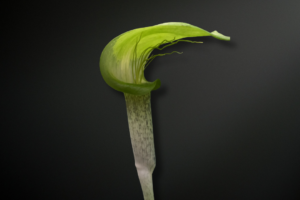
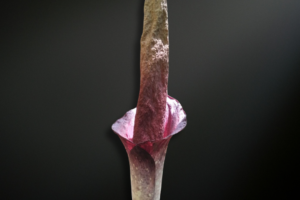
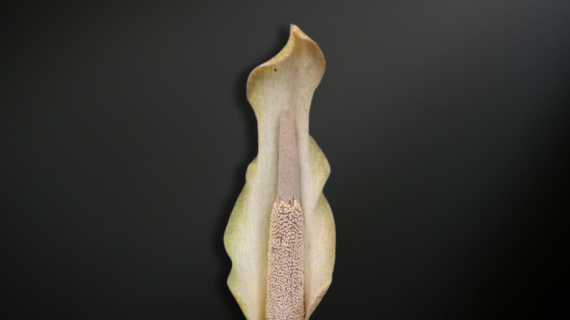
In cultivation, Amorphophallus galbra reveals an unusual balance between refinement and rugged adaptation. The mottled petiole rises with striking composure above the soil before supporting a finely divided canopy that interacts beautifully with shifting tropical light. Meanwhile, the inflorescence introduces the unmistakable visual language of the genus through sculptural form and atmospheric intensity. Consequently, the species has become increasingly admired among collectors interested in unusual geographic distributions, Australian tropical flora, and ecologically distinctive aroids.
Botanical Significance
Amorphophallus galbra occupies an especially intriguing position within the genus because it represents one of the very few Amorphophallus species native to Australia. This geographic isolation contributes significantly to its botanical importance and gives the species an ecological identity distinct from the densely humid equatorial rainforest taxa more commonly associated with the genus.
Moreover, the species demonstrates remarkable adaptation to monsoonal tropical systems characterized by alternating wet and dry seasons. Unlike permanently moisture-dependent rainforest species, Amorphophallus galbra evolved within environments where seasonal fluctuation strongly shapes growth rhythm and dormancy behavior. Because of this, the plant offers valuable insight into the ecological flexibility and adaptive diversity present within tropical tuberous aroids.
Collector Value
Collectors value Amorphophallus galbra for its rarity in cultivation, unusual Australian distribution, and deeply atmospheric growth habit. Mature specimens possess a distinctly wild character that feels strongly connected to remote tropical woodland systems and monsoonal rainforest margins. The species conveys ecological authenticity rather than cultivated perfection, which greatly enhances its appeal among serious aroid enthusiasts.
Additionally, the relative scarcity of the species outside specialist collections contributes to its archival significance. For collectors focused on geographic diversity within Amorphophallus, Amorphophallus galbra represents an especially compelling addition because of its highly localized natural range and uncommon horticultural presence.
Distinctive Morphology
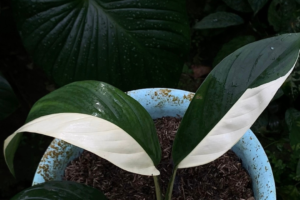
The morphology of Amorphophallus galbra balances elegance with understated structural strength. Its elongated petiole displays intricate mottling and tonal variation reminiscent of weathered bark, fragmented stone, and tropical woodland camouflage. Above this support structure, the finely divided canopy develops with an airy compositional quality that allows filtered light to move dynamically through the foliage.
Unlike more massive species that dominate through scale alone, Amorphophallus galbra achieves visual sophistication through balance and restraint. The plant maintains a poised silhouette that feels highly integrated into naturalistic tropical compositions. Additionally, the inflorescence carries a distinctly sculptural quality that reinforces the species’ atmospheric and almost prehistoric botanical presence.
Habitat & Origin
Amorphophallus galbra originates from northern Australia and New Guinea, where it inhabits monsoonal forests, gallery rainforest systems, tropical woodland margins, and seasonally humid lowland habitats. These environments experience dramatic transitions between wet and dry periods, creating ecological conditions that differ substantially from permanently saturated equatorial rainforest ecosystems.
In habitat, the species develops within organic-rich soils layered with decomposing vegetation, mineral sediment, and seasonally accumulated forest debris. Meanwhile, fluctuating rainfall patterns strongly regulate the annual growth cycle, triggering emergence during humid periods and dormancy during seasonal dryness.
Native Environment
Within its natural range, Amorphophallus galbra frequently occurs near rainforest edges, creek systems, monsoon forest patches, and humid woodland corridors where moisture remains available during active growth periods. The surrounding environment often combines filtered sunlight, warm airflow, and intermittent seasonal saturation that support rapid vegetative development.
Additionally, the species occupies landscapes shaped by ecological transition rather than constant environmental stability. This contributes greatly to its distinctive character and reinforces the impression of a plant deeply connected to dynamic tropical systems rather than permanently sheltered rainforest interiors.
Ecological Adaptations
The subterranean tuber of Amorphophallus galbra functions as an exceptionally efficient storage organ capable of sustaining the plant through prolonged seasonal dormancy. During the wet season, rapid canopy expansion allows substantial energy accumulation before environmental conditions gradually become less favorable.
Meanwhile, the species demonstrates strong tolerance for seasonal variability compared to many moisture-dependent tropical aroids. Its ability to retreat underground during dry intervals while rapidly re-emerging under favorable conditions reflects a highly effective adaptation to monsoonal ecological rhythms. Consequently, Amorphophallus galbra embodies a more rugged and seasonally responsive evolutionary strategy within the genus.
Why Collectors Seek Amorphophallus galbra
Collectors pursue Amorphophallus galbra because it introduces an entirely different ecological atmosphere into tropical aroid collections. Rather than evoking dense equatorial rainforest interiors, the species recalls humid Australian monsoon forests, seasonal woodland systems, and remote tropical floodplains shaped by alternating abundance and dormancy.
For enthusiasts interested in geographic rarity and habitat diversity, the species holds exceptional appeal. Its emergence cycle feels dramatic yet restrained, emphasizing natural rhythm and ecological realism rather than exaggerated ornamentation. As a result, many collectors regard it as one of the more botanically evocative and regionally distinctive Amorphophallus species available.
Rarity
Although locally established within portions of its native range, Amorphophallus galbra remains uncommon in broader cultivation and rarely appears outside specialized aroid collections. Mature tubers are particularly difficult to encounter, especially among collectors outside Australia and Southeast Asia.
Because of this limited circulation, established specimens often carry strong prestige within collector communities focused on obscure tropical species and geographically unusual aroids. The species’ rarity becomes even more significant when considered alongside its highly distinctive ecological background.
Architectural Presence
Despite lacking the immense proportions of giant Amorphophallus, Amorphophallus galbra possesses a striking architectural quality defined by vertical rhythm, refined foliage division, and elegant spatial balance. The canopy interacts beautifully with shifting tropical light, producing layered shadow patterns that enhance the plant’s atmospheric presence.
Meanwhile, the mottled petiole contributes additional visual complexity and reinforces the species’ strong connection to rugged tropical landscapes. Mature specimens often appear more like carefully composed rainforest studies than conventional ornamental foliage plants.
Botanical Interest
From a botanical perspective, Amorphophallus galbra offers fascinating insight into how the genus adapts beyond permanently humid equatorial ecosystems. Its seasonal rhythm, ecological resilience, and Australian distribution distinguish it sharply from many rainforest-associated relatives.
Additionally, the species contributes important geographic diversity within advanced Amorphophallus collections. Collectors interested in ecological adaptation, monsoonal flora, and unusual tropical biogeography frequently consider it one of the more intellectually engaging species within the genus.
Collector’s Perspective
Among experienced aroid enthusiasts, Amorphophallus galbra often becomes admired as a species of atmosphere and ecological narrative rather than overwhelming spectacle. The emergence of a mature specimen evokes the visual language of northern Australian tropical forests where humidity, shadow, and seasonal transformation shape every aspect of plant life.
In cultivation, mature tubers gradually produce increasingly poised foliage with stronger architectural balance and more stable seasonal rhythm. The plant acquires a distinctly naturalistic presence that integrates beautifully into curated tropical understory collections and monsoonal-themed displays.
Ultimately, Amorphophallus galbra embodies a more rugged and regionally distinctive dimension of tropical aroid collecting. Its enduring fascination emerges through ecological authenticity, understated architectural elegance, and its rare connection to the tropical landscapes of northern Australia and New Guinea.
Meta Description:
Explore Amorphophallus galbra, the rare Australian and New Guinean aroid admired for its monsoonal rainforest character, elegant mottled foliage, and exceptional rarity among collector-focused tropical plant collections.
Scientific Name: Amorphophallus galbra
Family: Araceae
Origin: Northern Australia and New Guinea
Growth Type: Seasonal tuberous tropical aroid with divided canopy foliage
Rarity: Very Rare
Collector Level: Advanced
Climate: Tropical Monsoonal
Light
Amorphophallus galbra develops within bright tropical understory environments and monsoonal woodland margins where filtered sunlight reaches the forest floor more consistently than in dense equatorial rainforest interiors. In habitat, the species frequently experiences shifting illumination throughout the day as seasonal canopy density changes across the wet season. Under cultivation, bright indirect light encourages stronger petiole development and more refined canopy structure while preserving the plant’s natural compositional elegance. Excessively dark conditions often reduce vigor and weaken foliage definition.
Humidity
This species thrives in humid tropical air associated with seasonal monsoon environments where atmospheric moisture increases dramatically during active growth periods. In habitat, elevated humidity supports rapid vegetative expansion and maintains supple foliage texture throughout the wet season. Meanwhile, moderate seasonal fluctuation in moisture levels contributes to the species’ natural dormancy rhythm. In cultivation, consistently humid air during active growth significantly improves overall foliage quality and seasonal performance.
Soil
Amorphophallus galbra favors loose, organic-rich substrates that combine moisture retention with excellent drainage and strong root-zone aeration. In habitat, the species develops within forest soils layered with decomposing leaf litter, mineral sediment, and seasonally accumulated organic debris. Cultivated specimens respond particularly well to airy media containing coarse organic material and mineral components that prevent stagnation around the tuber. Dense or compact substrates frequently compromise dormancy stability and root health during seasonal transitions.
Temperature
As a tropical monsoonal species, Amorphophallus galbra prospers under warm conditions accompanied by seasonal humidity and stable airflow. Sustained tropical warmth encourages vigorous foliage development and efficient tuber expansion throughout the active season. Cooler temperatures often slow metabolic activity and reduce the species’ normally energetic emergence cycle. Prolonged exposure to cold conditions may weaken seasonal performance and disrupt dormancy timing, particularly in immature specimens.
Dormancy
Amorphophallus galbra undergoes a pronounced dormant phase strongly influenced by seasonal rainfall fluctuation within its native monsoonal habitat. Following foliar senescence, the tuber retreats beneath the substrate and conserves substantial energy reserves accumulated during active growth. In habitat, this dormancy period frequently coincides with reduced rainfall intensity and increasing environmental dryness. Mature tubers generally develop increasingly reliable seasonal rhythm and stronger emergence cycles over time.
Germination
Fresh seed of Amorphophallus galbra generally germinates steadily under warm humid conditions that replicate tropical monsoon environments. Early seedlings direct substantial energy toward subterranean tuber formation before producing increasingly divided juvenile foliage. Growth during initial stages may appear measured, although stable warmth and highly aerated substrates greatly improve establishment success. Young plants often display subtle variation in vigor and leaf segmentation, adding further interest for long-term collectors.
Growth Difficulty
Amorphophallus galbra is best suited to intermediate or advanced collectors capable of replicating warm monsoonal growing conditions and carefully managing seasonal dormancy. Although relatively resilient compared to some equatorial rainforest species, the plant still requires strong substrate aeration, warmth, and balanced moisture regulation to maintain long-term vigor. Its rarity in cultivation and regionally distinctive ecological character greatly enhance its appeal among specialist aroid enthusiasts. For collectors, the species offers a uniquely atmospheric cultivation experience shaped by seasonal rhythm, understated elegance, and strong botanical authenticity.
Looking for Rare Amorphophallus Species?
Explore our collection of rare tubers, seeds, and exotic aroids directly from Indonesia. Carefully prepared for international shipping.