Amorphophallus lambii — The Elusive Giant of Bornean Rainforest Depths
Deep within the humid lowland forests of Borneo, where dense canopy filters the tropical light into muted green shadow, Amorphophallus lambii emerges with extraordinary presence and botanical gravity. The species carries the primal atmosphere that defines the most compelling members of the genus: immense subterranean energy concentrated into a singular seasonal display of foliage and bloom.
Unlike more familiar ornamental aroids, Amorphophallus lambii feels deeply tied to untouched rainforest ecology. Its emergence appears sudden and almost theatrical, rising from decomposing forest debris with sculptural force before eventually retreating once again into dormancy. Moreover, the species combines substantial size with remarkable structural elegance, creating a balance that advanced collectors find especially captivating.
For serious aroid enthusiasts, Amorphophallus lambii represents more than rarity alone. The plant embodies the mystery of Bornean rainforest systems — ancient, humid, and increasingly fragile. Because of this, cultivated specimens often hold profound botanical significance within specialized collections devoted to tropical geophytes.
Botanical Significance
Collector Value
Among advanced collectors, Amorphophallus lambii commands exceptional respect due to its rarity, imposing stature, and highly atmospheric floral presentation. The species occupies an important position within the broader Amorphophallus lineage because it bridges monumental tropical architecture with refined structural detail.
Moreover, flowering specimens remain extraordinarily uncommon in cultivation. Consequently, mature plants attract particular fascination among collectors focused on large Southeast Asian aroids and obscure rainforest geophytes.
For collectors, the appeal intensifies over time. Each seasonal cycle reveals increasing canopy complexity, stronger petiole development, and greater floral sophistication as the tuber matures.
Distinctive Morphology
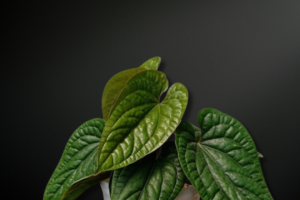
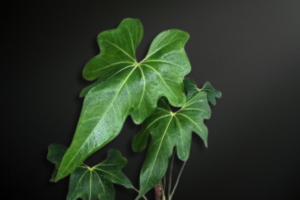
Amorphophallus lambii produces a commanding solitary canopy elevated on a thick mottled petiole marked with intricate camouflage-like patterning. Shades of olive, ash-grey, bronze, and muted green blend across the surface, echoing the textures of rainforest bark and moss-covered stone.
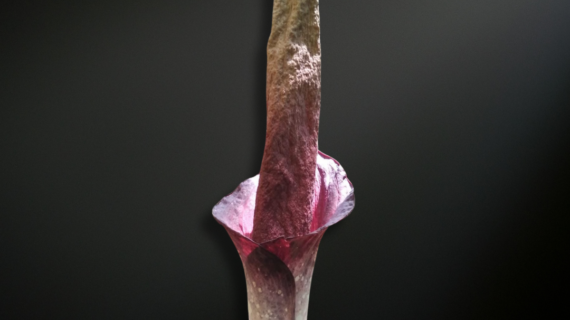
Meanwhile, the inflorescence introduces an entirely different visual language. The spathe often displays deep tonal contrast and dramatic internal depth, while the spadix rises with imposing vertical presence. Under humid tropical conditions, the bloom appears almost prehistoric in character.
Unlike smaller species that emphasize delicacy, Amorphophallus lambii projects authority through scale and structure. Yet despite its size, the species retains remarkable proportional elegance. Because of this balance, mature specimens often become defining centerpiece plants within elite tropical collections.
Habitat & Origin
Native Environment
Amorphophallus lambii originates from Borneo, where it inhabits warm lowland rainforest ecosystems shaped by heavy rainfall, dense canopy cover, and mineral-rich organic substrates. In habitat, the species develops among decomposing leaf litter, fallen wood, porous forest soils, and deeply humid understory environments.
Filtered sunlight reaches the forest floor only intermittently, creating a subdued atmosphere of shifting shadow and moisture. Consequently, the species evolved to maximize seasonal growth efficiency under low-light tropical conditions.
Meanwhile, monsoonal rainfall patterns strongly influence its annual growth rhythm. Active emergence often coincides with sustained humidity and warm temperatures, while drier intervals encourage dormancy beneath the substrate.
Ecological Adaptations
Like many geophytic aroids, Amorphophallus lambii survives through a massive underground tuber capable of storing substantial nutrient and moisture reserves between growth cycles. This adaptation allows the species to withstand seasonal fluctuations while preserving the energy required for rapid emergence and flowering.
Its singular canopy architecture reflects remarkable ecological efficiency. Rather than sustaining multiple persistent leaves, the species channels stored resources into one expansive photosynthetic structure elevated above surrounding vegetation.
Additionally, the inflorescence demonstrates sophisticated carrion-pollination ecology. Thermogenesis, scent production, and floral timing combine to attract specialized rainforest insects associated with decomposition environments. Beyond this biological function, the flowering process contributes greatly to the species’ dramatic collector appeal.
Why Collectors Seek Amorphophallus lambii
Rarity
Authentic cultivated material remains exceptionally scarce outside specialist aroid collections and botanical institutions. Because propagation occurs slowly and flowering requires significant tuber maturity, established specimens hold considerable prestige among advanced growers.
Moreover, habitat pressures across Borneo continue to increase interest in preserving rare endemic Amorphophallusspecies within cultivation. As a result, Amorphophallus lambii represents both botanical rarity and ecological importance.
For many collectors, acquiring a healthy mature specimen becomes a long-term pursuit rather than a casual acquisition.
Architectural Presence
Even among large tropical geophytes, Amorphophallus lambii possesses extraordinary spatial presence. The elevated canopy, thick mottled petiole, and imposing floral structure create an atmosphere that feels simultaneously prehistoric and refined.
In cultivation, the species pairs exceptionally well with volcanic stone, oversized terracotta vessels, aged hardwood staging, and humid greenhouse environments designed to evoke deep tropical forest conditions. Additionally, the dramatic contrast between dormant stillness and explosive emergence adds emotional intensity to its seasonal rhythm.
Collectors frequently describe mature specimens as living rainforest monuments.
Botanical Interest
From a botanical perspective, Amorphophallus lambii offers valuable insight into the evolution of large Southeast Asian geophytic aroids. Its scale, floral anatomy, and ecological behavior distinguish it clearly from smaller and more widely cultivated species.
Unlike ornamental foliage plants selected primarily for decorative consistency, Amorphophallus lambii rewards patience, observation, and environmental understanding. Over time, subtle shifts in canopy architecture, tuber development, and flowering vigor reveal the extraordinary complexity of the species.
Ultimately, the plant appeals most strongly to collectors drawn toward dramatic tropical biology expressed through authenticity rather than artifice.
Collector’s Perspective
Cultivating Amorphophallus lambii often becomes a deeply immersive seasonal experience. During dormancy, the tuber rests invisibly beneath the substrate, preserving immense reserves of energy for the next cycle of emergence. Then, once warmth and moisture stabilize, rapid growth transforms the growing space with astonishing speed.
Meanwhile, flowering introduces one of the most compelling moments within tropical aroid cultivation. The bloom feels ephemeral yet monumental — a brief but unforgettable expression of rainforest ecology condensed into sculptural form.
Over time, mature specimens gain increasing authority and visual complexity. Because of this gradual progression, collectors frequently develop unusually strong attachment to individual plants cultivated across many years.
Flowering Characteristics
The inflorescence of Amorphophallus lambii possesses exceptional dramatic intensity. Deep internal coloration contrasts against subtler external surfaces, while the spadix introduces strong vertical movement and spatial dominance within the floral structure.
Flowering generally occurs before leaf emergence, allowing the tuber to direct stored resources entirely toward reproduction. Additionally, thermogenic activity and decomposition-associated scent compounds contribute to highly specialized pollination strategies adapted to rainforest carrion insects.
Although anthesis remains relatively brief, the bloom transforms the surrounding environment completely. Under warm humid conditions, the inflorescence feels less like a conventional flower and more like a living rainforest event.
Comparison With Related Species
Compared with truly colossal species such as Amorphophallus titanum, Amorphophallus lambii expresses a more balanced relationship between scale and refinement. While still imposing, the species maintains a sculptural elegance that many collectors consider especially desirable.
In contrast to smaller species focused primarily on intricate detail, Amorphophallus lambii combines architectural mass with atmospheric subtlety. Because of this, it occupies a distinctive middle ground within the genus — monumental yet highly sophisticated.
Additionally, its relative scarcity in cultivation enhances its status among elite tropical collectors and botanical institutions alike.
Looking for Rare Amorphophallus Species?
Explore our collection of rare tubers, seeds, and exotic aroids directly from Indonesia. Carefully prepared for international shipping.