AMORPHOPHALLUS.ID

Amorphophallus variabilis

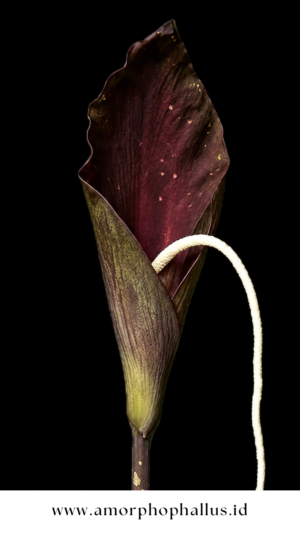
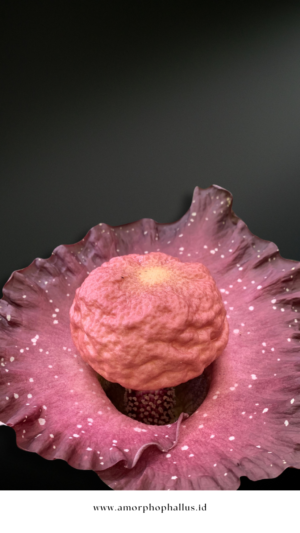
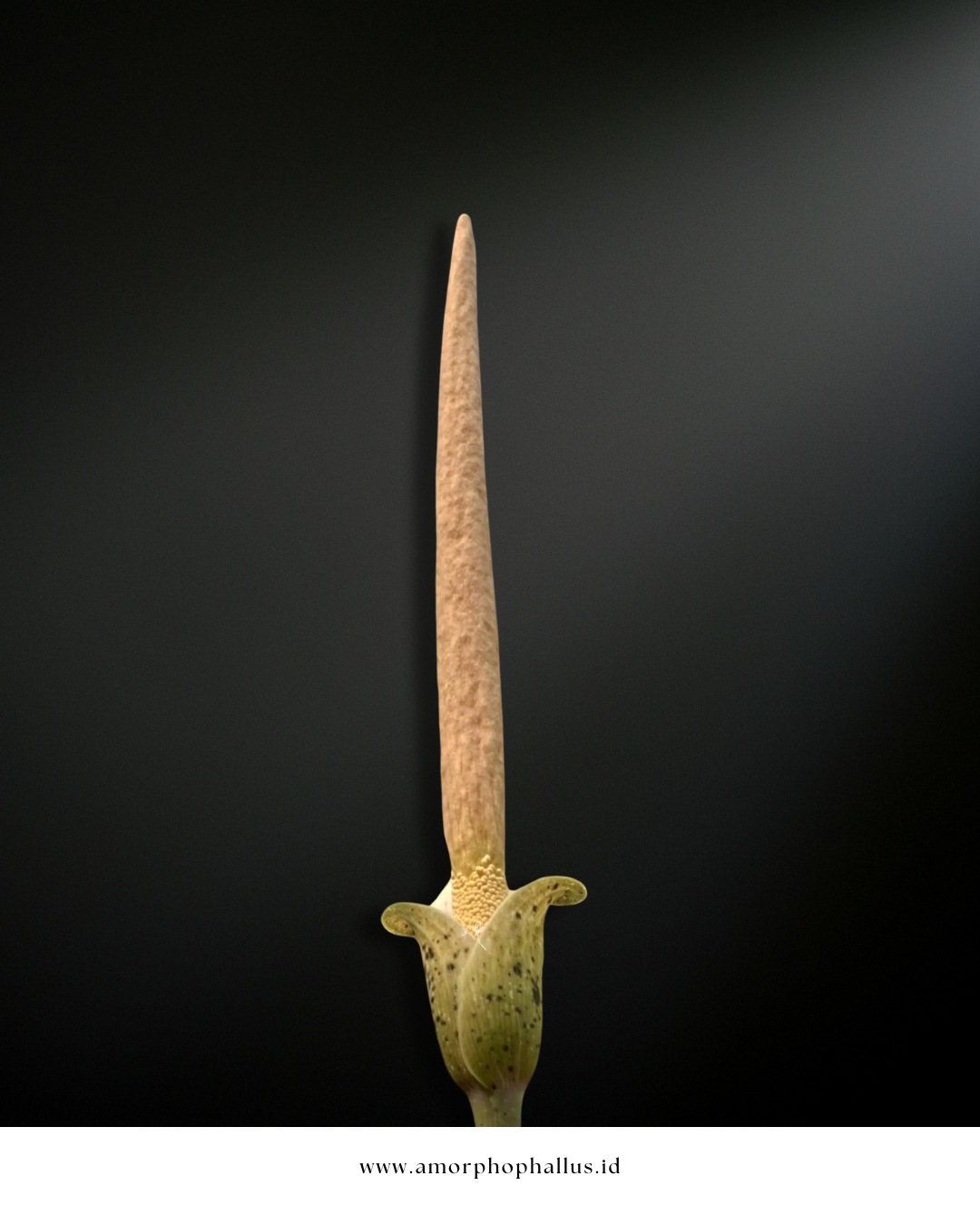
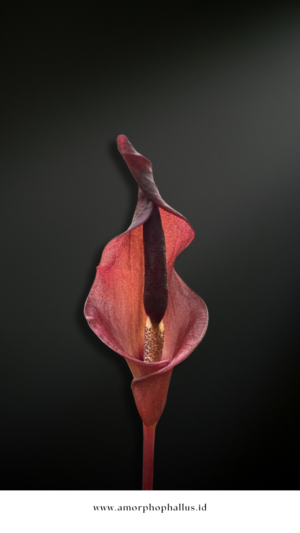
Amorphophallus variabilis is an elegant Javan aroid admired for its richly variable foliage, mottled rainforest architecture, and endlessly fascinating diversity among tropical plant collectors.

Botanical Profile

Scientific NameAmorphophallus variabilis
FamilyAraceae
OriginJava, Indonesia
Growth TypeSeasonal tuberous tropical aroid with variable divided foliage
RarityRare
Collector LevelIntermediate
ClimateTropical Humid
$60.0 price exclude tax
$100.0 price exclude tax
$2.0 price exclude tax
$30.0 price exclude tax
Inquire About This Species

Light

Amorphophallus variabilis develops beneath tropical forest canopy where filtered sunlight reaches the understory in shifting intervals throughout the day. In habitat, the species frequently experiences dynamic light conditions influenced by seasonal canopy density and forest-edge transitions. Under cultivation, bright indirect illumination encourages stronger canopy segmentation, balanced petiole development, and more refined foliar coloration. Excessive direct exposure often stresses the foliage and reduces the subtle textural elegance characteristic of mature specimens.
Humidity

This species thrives within humid tropical atmospheres enriched by seasonal rainfall and dense understory vegetation. Elevated humidity supports supple canopy expansion and preserves the refined texture of the finely divided foliage throughout the active growing season. In habitat, atmospheric moisture fluctuates moderately between wetter and drier periods without becoming excessively arid. In cultivation, stable humidity significantly improves overall vigor and enhances the species’ naturally graceful appearance.

Soil

This species thrives within humid tropical atmospheres enriched by seasonal rainfall and dense understory vegetation. Elevated humidity supports supple canopy expansion and preserves the refined texture of the finely divided foliage throughout the active growing season. In habitat, atmospheric moisture fluctuates moderately between wetter and drier periods without becoming excessively arid. In cultivation, stable humidity significantly improves overall vigor and enhances the species’ naturally graceful appearance.

Temperature

As a tropical Indonesian species, Amorphophallus variabilis prospers under warm conditions accompanied by elevated humidity and gentle airflow. Sustained warmth encourages vigorous canopy expansion and efficient energy storage within the subterranean tuber. Cooler temperatures often slow development considerably and may interrupt the species’ normally rhythmic seasonal progression. Extended cold exposure frequently weakens future emergence cycles, particularly when combined with excessive substrate moisture.

Dormancy

Amorphophallus variabilis undergoes a seasonal dormant phase following the gradual senescence of its solitary annual leaf. During dormancy, the tuber retreats beneath the substrate and conserves accumulated resources while environmental moisture levels decline within the surrounding habitat. In nature, this cycle commonly aligns with seasonal dry intervals typical of Javan tropical ecosystems. Mature tubers generally develop increasingly stable emergence rhythm and more refined canopy structure over successive growth cycles.

Germination

Fresh seed of Amorphophallus variabilis generally germinates steadily under warm humid conditions that closely replicate shaded tropical understory environments. Early seedlings direct considerable energy toward tuber formation before producing increasingly divided juvenile foliage over time. Young plants frequently display noticeable variation in vigor, segmentation, and overall canopy form, reinforcing the species’ highly variable character. Stable warmth, humidity, and airy substrates significantly improve establishment success during early developmental stages.