AMORPHOPHALLUS.ID

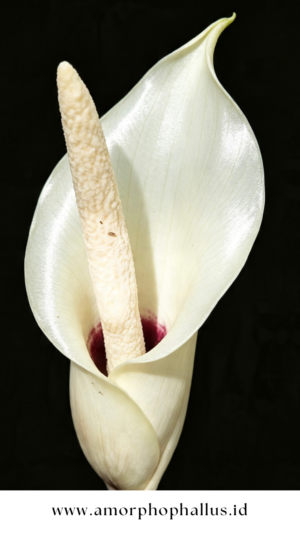
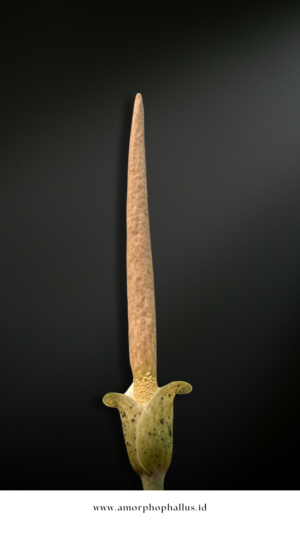
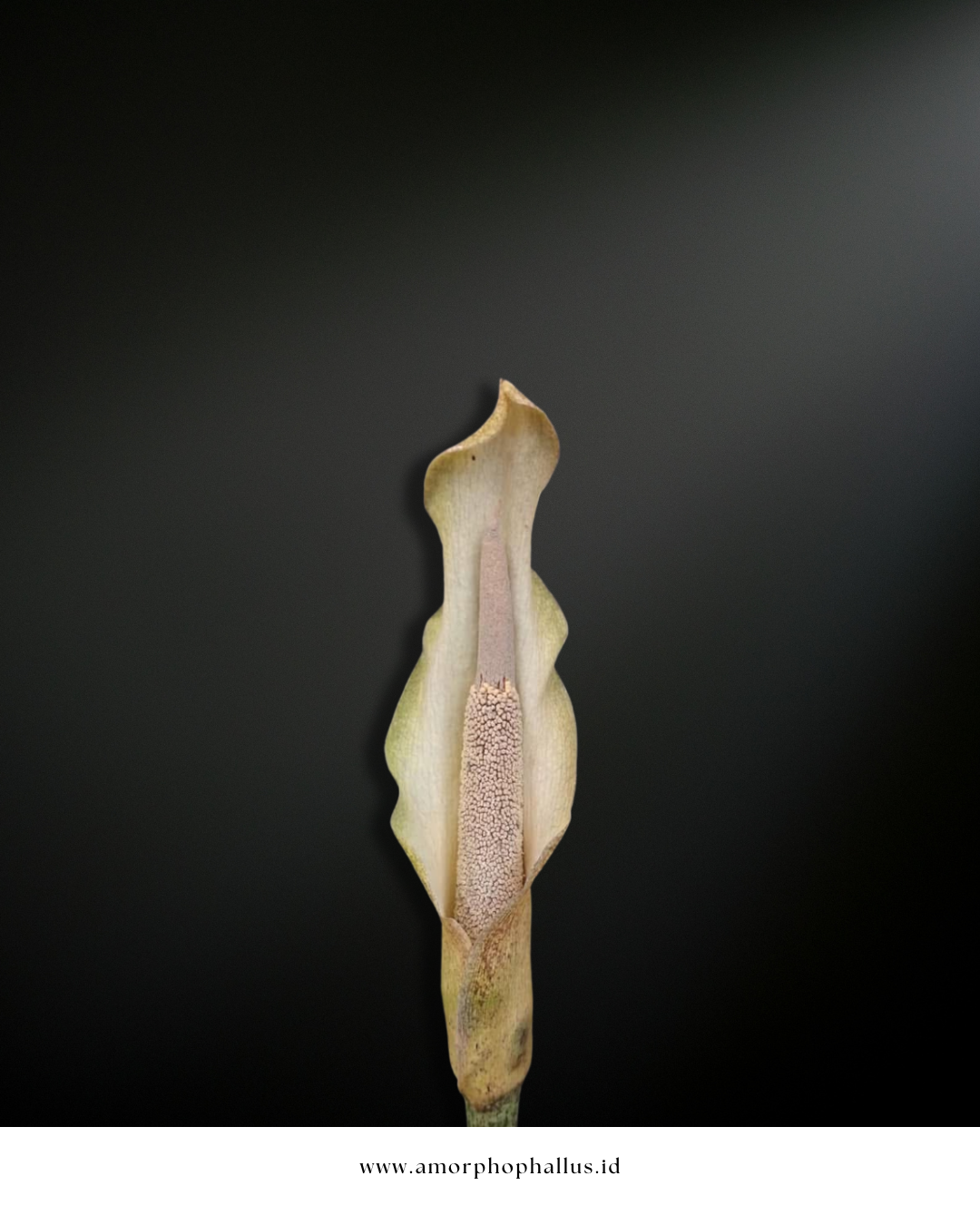
Amorphophallus galbra

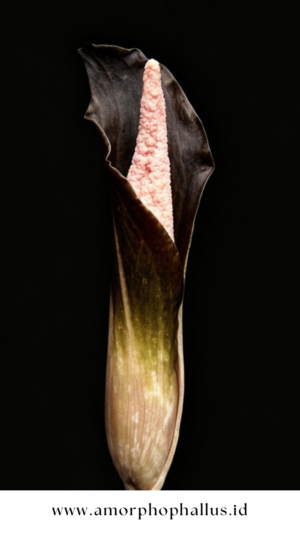
Amorphophallus galbra is a rare monsoonal aroid admired for its elegantly divided foliage, mottled woodland-like petiole, and deeply atmospheric connection to the tropical forests of northern Australia and New Guinea.

Botanical Profile

Scientific NameAmorphophallus galbra
FamilyAraceae
OriginNorthern Australia and New Guinea
Growth TypeSeasonal tuberous tropical aroid with finely divided canopy foliage
RarityVery Rare
Collector LevelAdvanced
ClimateTropical Monsoonal
$150.0 price exclude tax
$80.0 price exclude tax
$5.0 price exclude tax
$40.0 price exclude tax
Inquire About This Species

Light

Amorphophallus galbra develops within bright tropical understory environments and monsoonal woodland margins where filtered sunlight reaches the forest floor in shifting intervals throughout the day. In habitat, the species often experiences stronger illumination than deeply shaded equatorial rainforest aroids, particularly near seasonal clearings and gallery forest edges. Under cultivation, bright indirect light encourages stronger canopy definition, balanced petiole development, and more refined foliage segmentation. Excessively dark conditions frequently reduce vigor and diminish the species’ characteristic architectural elegance.
Humidity

This species thrives within humid monsoonal atmospheres where moisture levels rise dramatically during the active wet season. Elevated humidity supports rapid canopy expansion and helps preserve the supple texture of the finely divided foliage throughout periods of vigorous growth. In habitat, atmospheric moisture fluctuates seasonally rather than remaining uniformly saturated year-round. In cultivation, stable humidity during active growth significantly improves foliage quality and overall seasonal performance.

Soil

This species thrives within humid monsoonal atmospheres where moisture levels rise dramatically during the active wet season. Elevated humidity supports rapid canopy expansion and helps preserve the supple texture of the finely divided foliage throughout periods of vigorous growth. In habitat, atmospheric moisture fluctuates seasonally rather than remaining uniformly saturated year-round. In cultivation, stable humidity during active growth significantly improves foliage quality and overall seasonal performance.

Temperature

As a tropical monsoonal species, Amorphophallus galbra prospers under consistently warm conditions accompanied by seasonal humidity and gentle airflow. Sustained tropical warmth promotes vigorous foliage emergence and efficient subterranean energy storage throughout the active season. Cooler temperatures often slow metabolic activity considerably and may interrupt the species’ naturally rhythmic seasonal cycle. Extended cold exposure frequently weakens future growth performance, particularly in immature specimens.

Dormancy

Amorphophallus galbra undergoes a pronounced dormant phase strongly influenced by seasonal rainfall fluctuation within its native habitat. Following foliar senescence, the tuber retreats beneath the substrate and conserves accumulated energy reserves during increasingly dry environmental conditions. In habitat, this dormancy period aligns closely with monsoonal transition and reduced atmospheric moisture. Mature tubers generally develop increasingly stable seasonal rhythm and more vigorous emergence over successive growth cycles.

Germination

Fresh seed of Amorphophallus galbra generally germinates steadily under warm humid conditions that replicate tropical monsoon environments. Early seedlings direct substantial energy toward subterranean tuber formation before producing increasingly divided juvenile foliage. Growth during initial stages may appear measured rather than rapid, although stable warmth and highly aerated substrates greatly improve establishment success. Young plants often display subtle variation in vigor and foliage segmentation, adding further interest for long-term collectors.

Growth Difficulty

Amorphophallus galbra is best suited to intermediate or advanced collectors capable of maintaining warm monsoonal growing conditions while carefully managing seasonal dormancy cycles. Although somewhat more tolerant of environmental fluctuation than deeply equatorial rainforest species, the plant still requires balanced moisture regulation, substrate aeration, and sustained warmth for long-term success. Its rarity in cultivation and highly distinctive ecological background greatly enhance its appeal among specialist aroid enthusiasts. For collectors, the species offers a uniquely atmospheric cultivation experience shaped by seasonal rhythm, understated elegance, and remarkable geographic rarity.