AMORPHOPHALLUS.ID

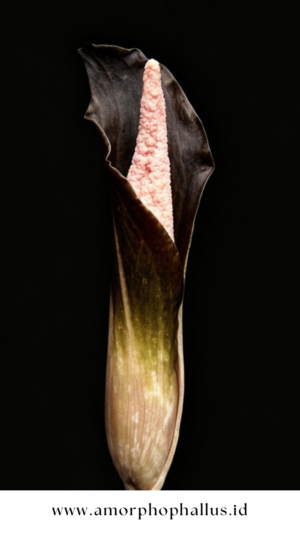
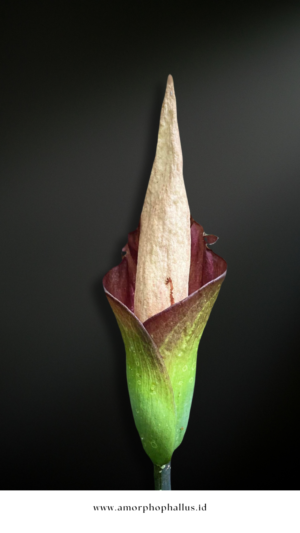
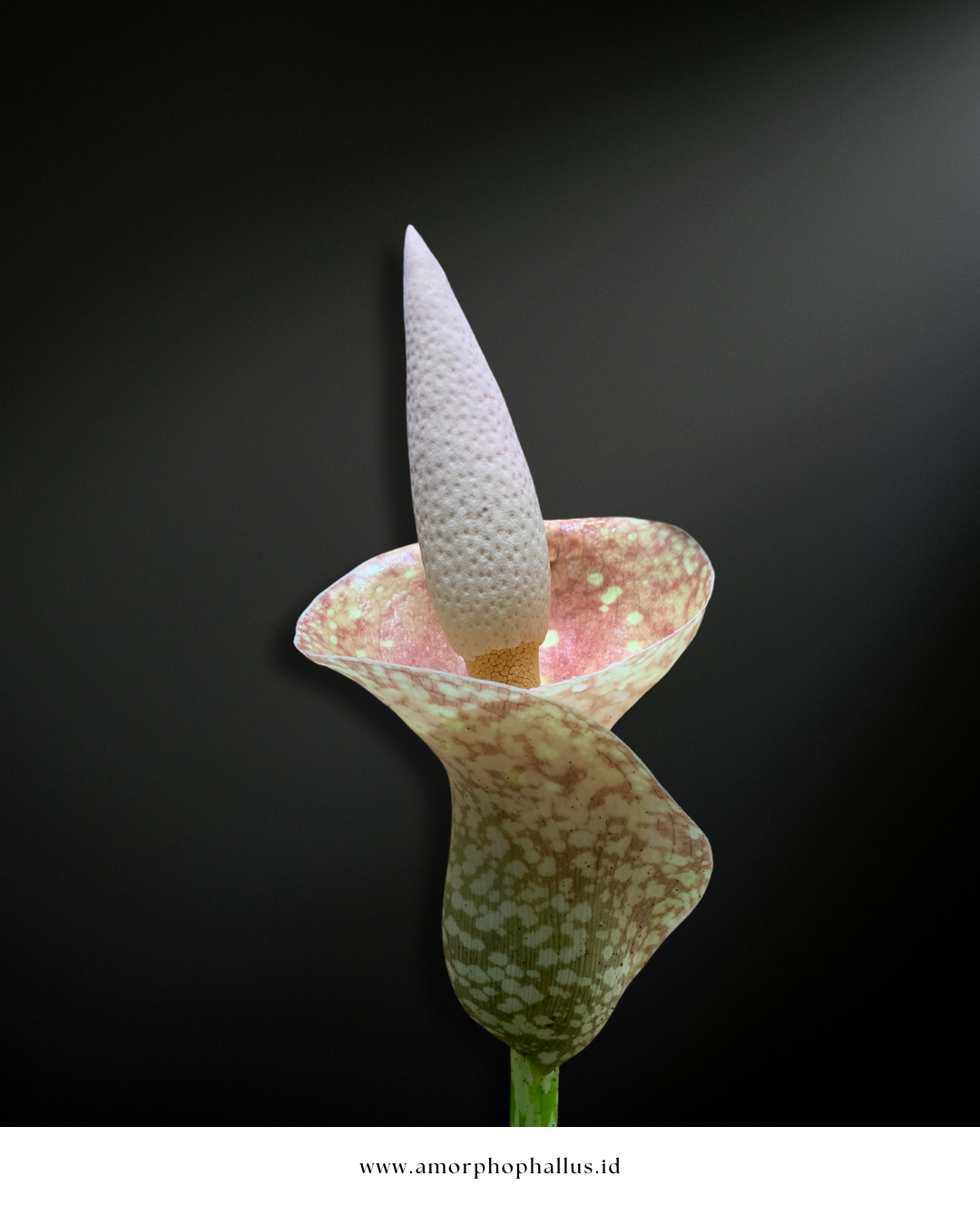
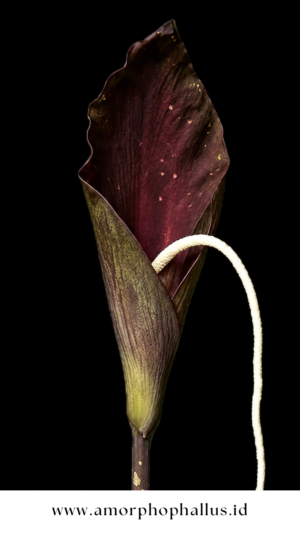
Amorphophallus muelleri

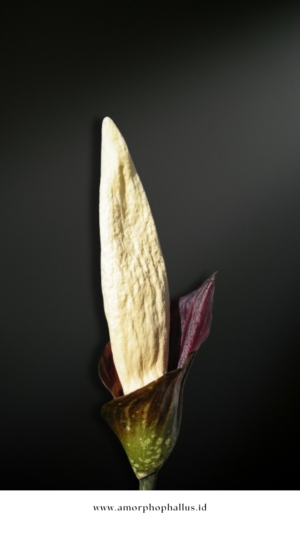
Amorphophallus muelleri is a commanding Indonesian aroid celebrated for its immense tropical foliage, intricate mottled petioles, and remarkable bulbil-producing growth habit that has secured its place among the most architecturally dramatic species in advanced collector collections.

Botanical Profile

Scientific NameAmorphophallus muelleri
FamilyAraceae
OriginIndonesia, primarily Java
Growth TypeLarge tuberous tropical aroid with seasonal solitary foliage and bulbil production
RarityRare
Collector LevelIntermediate
ClimateWarm Humid Tropical
$150.0 price exclude tax
$60.0 price exclude tax
$2.0 price exclude tax
$40.0 price exclude tax
$10.0 price exclude tax
Inquire About This Species

Light

Amorphophallus muelleri develops in bright tropical understory environments where filtered sunlight penetrates through broken canopy layers and forest margins. In habitat, the species often experiences stronger illumination than many deeply shaded rainforest aroids, particularly during active seasonal growth. Under cultivation, bright indirect light encourages robust petiole development, broader canopy expansion, and stronger bulbil formation along the foliage. Excessively dark conditions frequently reduce vigor and diminish the species’ characteristic architectural presence.
Humidity

This species thrives within humid tropical atmospheres where moisture remains consistently present throughout the active growing season. In rainforest environments, elevated humidity supports rapid foliage expansion and helps maintain the supple texture of the immense leaf structure. High atmospheric moisture also reduces physiological stress during periods of accelerated seasonal growth. In cultivation, stable humidity significantly improves overall visual quality, particularly in larger mature specimens with expansive canopy surfaces.

Soil

Amorphophallus muelleri favors highly organic, fast-draining substrates capable of supporting vigorous root development while maintaining consistent aeration around the tuber. In habitat, the species develops within fertile volcanic and humus-rich soils layered with decomposing tropical vegetation and mineral debris. Cultivated specimens respond especially well to loose media containing coarse organic matter, mineral aggregates, and moisture-retentive components balanced against rapid drainage. Dense or stagnant substrates often compromise tuber health during dormancy transitions.

Temperature

As a tropical lowland species, Amorphophallus muelleri prospers under consistently warm conditions accompanied by high atmospheric moisture and stable seasonal rhythms. The species demonstrates particularly vigorous growth when exposed to sustained tropical warmth during active development phases. Cooler temperatures frequently slow canopy expansion and reduce metabolic efficiency, especially in immature specimens. Extended cold exposure may interrupt seasonal timing and weaken subsequent growth cycles.

Dormancy

Amorphophallus muelleri undergoes a pronounced dormant period following the senescence of its solitary seasonal leaf. During dormancy, the tuber retreats beneath the substrate and conserves substantial energy reserves accumulated throughout the active season. In habitat, this cycle often aligns with shifting rainfall intensity and transitional dry periods rather than severe climatic fluctuation. Mature tubers generally exhibit increasingly stable dormancy behavior and stronger seasonal emergence as they gain mass over successive growth cycles.

Germination

Fresh seed of Amorphophallus muelleri typically germinates reliably under warm, humid conditions that replicate tropical rainforest environments. Seedlings often display vigorous early development, rapidly directing energy toward subterranean tuber formation before producing increasingly complex foliage. Additionally, the species frequently reproduces through bulbils formed along mature leaf structures, offering collectors an alternative propagation pathway uncommon among large aroids. Young plants usually demonstrate strong growth momentum when provided with stable warmth and consistently moist yet aerated substrates.

Growth Difficulty

Amorphophallus muelleri is widely regarded as one of the more approachable large-growing species within the genus, although mature specimens still require attentive environmental management. The species combines vigorous seasonal growth with comparatively strong adaptability, making it suitable for intermediate collectors seeking architecturally dramatic tropical aroids. Successful long-term cultivation depends heavily on balancing warmth, humidity, substrate aeration, and dormancy management throughout the annual cycle. For collectors, its rapid transformation, impressive scale, and prolific bulbil production create an especially rewarding cultivation experience.