AMORPHOPHALLUS.ID

Amorphophallus asper

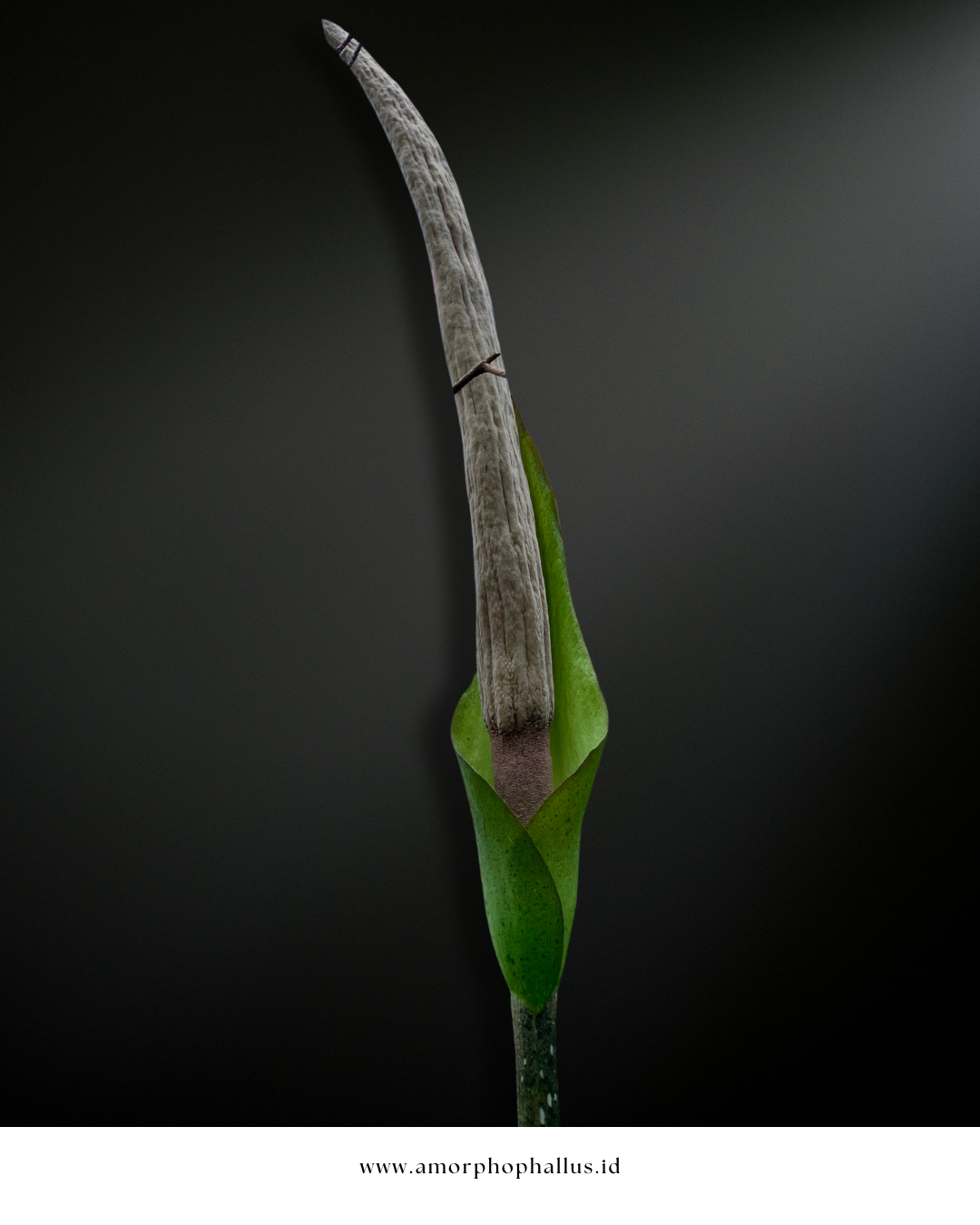
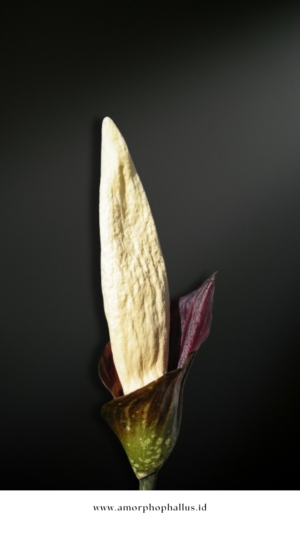
Amorphophallus asper is a seldom-seen Bornean species distinguished by its imposing foliage, architectural presence, and exceptional rarity within advanced tropical aroid collections.

Botanical Profile

Scientific NameAmorphophallus asper (Engl.) Engl. & Gehrm.
FamilyAraceae
OriginBorneo
Growth TypeTuberous tropical aroid with seasonal dormant growth habit
RarityExtremely Rare
Collector LevelExpert Collector
ClimateTropical Humid
$80.0 price exclude tax
$150.0 price exclude tax
$5.0 price exclude tax
$40.0 price exclude tax
Inquire About This Species

Light

Amorphophallus asper is naturally associated with the subdued light conditions of lowland Bornean rainforest understories, where filtered illumination moves across the forest floor beneath dense tropical canopy. In cultivation, the species responds best to bright diffused light with protection from prolonged direct afternoon sun, which can stress developing foliage and reduce overall vigor. Mature specimens develop a more commanding leaf structure under stable, evenly distributed brightness, while excessively dark conditions often result in elongated, weaker growth. Gentle morning light is generally well tolerated and can enhance foliar texture without compromising hydration balance.
Humidity

This species thrives in persistently humid equatorial environments where atmospheric moisture remains consistently elevated throughout the active growing season. Relative humidity above 70% encourages stronger leaf expansion, improved petiole integrity, and more refined overall presentation characteristic of mature specimens in habitat. In drier conditions, foliage may display reduced longevity and slower seasonal development, particularly during periods of active root establishment. Stable humidity combined with warm air movement closely replicates the rainforest conditions under which the species naturally prospers.

Soil

Amorphophallus asper favors a highly aerated, organic substrate capable of retaining moisture while allowing rapid drainage around the tuber. In habitat, the species is often associated with deep forest litter rich in decomposed organic matter, where roots develop within loose, breathable layers of humus and mineral debris. Collectors commonly achieve the best results using coarse tropical aroid mixes incorporating bark, leaf compost, perlite, pumice, and fibrous organic components that resist compaction over time. Waterlogged media is poorly tolerated and can quickly compromise dormant or semi-active tubers, particularly in cooler conditions.

Temperature

As a true tropical rainforest species, Amorphophallus asper demonstrates optimal growth in consistently warm conditions typically ranging between 24–32°C. The species shows little appreciation for prolonged cool exposure, especially when combined with excessive moisture or stagnant airflow during dormancy transitions. Sudden temperature drops may interrupt active root development and delay seasonal emergence, while sustained warmth promotes stronger leaf expansion and tuber maturation. Stable tropical conditions throughout the growing cycle closely mirror the environmental rhythm of its native habitat.

Dormancy

Like many seasonal Amorphophallus species, A. asper enters a pronounced dormant phase marked by the gradual senescence and collapse of its solitary leaf after a period of active growth. During this interval, the tuber retreats into metabolic rest, conserving energy reserves beneath the substrate until environmental conditions favor renewed emergence. Dormancy duration may vary according to cultivation conditions, tuber maturity, and seasonal stability, though the species generally benefits from a slightly reduced watering regime while inactive. This cyclical retreat and resurgence forms part of its natural adaptation to shifting rainforest moisture and nutrient availability.

Germination

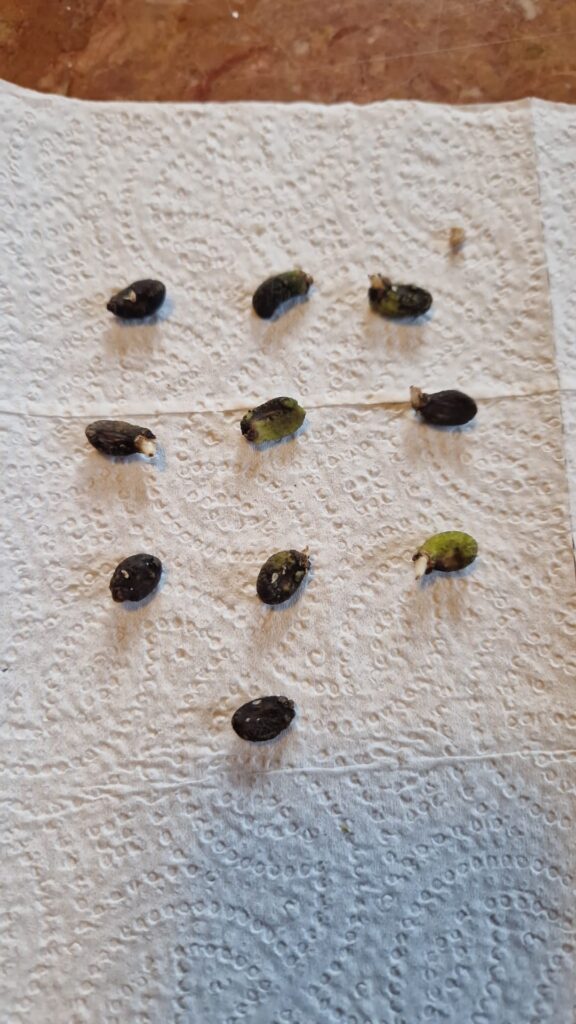
Fresh seed of Amorphophallus asper typically germinates under warm, humid conditions with steady substrate moisture and minimal temperature fluctuation. Germination can be variable in speed, with early seedlings often displaying delicate but surprisingly vigorous root activity once established. Young plants develop gradually during their initial stages, investing heavily in subterranean tuber formation before producing increasingly complex foliage with maturity. Collectors often regard the seedling phase as particularly rewarding due to the subtle morphological transitions visible across successive growth cycles.

Growth Difficulty

Amorphophallus asper is considered a demanding species best suited to experienced aroid collectors familiar with the seasonal behavior of tropical tuberous Araceae. Its rarity in cultivation, sensitivity to environmental instability, and preference for consistently warm humid conditions contribute to its reputation as a specialist species rather than a general ornamental subject. Growth can be relatively measured during the juvenile phase, though mature specimens reward patience with increasingly dramatic foliage architecture and commanding botanical presence. Successful long-term cultivation relies on careful control of moisture, airflow, dormancy management, and substrate balance.

Calvin

Calvin

Singapore