Amorphophallus manta — The Shadowed Giant of the Sumatran Rainforest
Deep within the humid forests of Sumatra, where volcanic mountains dissolve into dense tropical canopy and persistent mist softens the understory, Amorphophallus manta emerges as one of the more mysterious and visually commanding species within the genus. The plant possesses a profoundly atmospheric presence shaped by scale, texture, and rainforest shadow rather than flamboyant coloration alone. Its immense foliage architecture rises from the forest floor with an almost primordial authority, transforming surrounding space into something immersive and deeply botanical.
Unlike more commonly cultivated Amorphophallus, Amorphophallus manta carries a distinctly wild and untamed character that reflects the ecological complexity of western Indonesian rainforest systems. The species develops with powerful structural balance, producing broad canopy geometry supported by heavily mottled petioles that resemble weathered tropical stone and lichen-covered bark. Consequently, collectors often regard the species as both visually monumental and emotionally evocative, embodying the dramatic atmosphere of Southeast Asian rainforest interiors.
Botanical Significance
Amorphophallus manta holds exceptional significance among tropical aroids because of its remarkable morphology, localized distribution, and highly specialized rainforest adaptation. Within the broader genus, the species stands apart through its substantial vegetative structure and imposing foliage composition, which together create one of the more architecturally sophisticated silhouettes among large Indonesian Amorphophallus species.
Moreover, the plant reflects the extraordinary biodiversity of Sumatran tropical ecosystems where isolation, volcanic geography, and climatic variation have produced highly distinctive endemic flora. Because of this ecological context, Amorphophallus manta represents more than a rare ornamental curiosity; it functions as a living botanical expression of one of Southeast Asia’s most complex rainforest environments.
Collector Value
Collectors value Amorphophallus manta for its rarity, dramatic canopy structure, and unusually immersive rainforest character. Mature specimens possess an unmistakable visual gravity that immediately transforms surrounding collections through scale and compositional depth. Unlike smaller understory species that reward intimate observation, Amorphophallus manta creates impact through spatial dominance and architectural rhythm.
Additionally, the species remains highly uncommon in cultivation outside specialized aroid circles. Because of this limited availability, mature tubers often hold strong archival significance among collectors focused on large-form Amorphophallus and rare Indonesian endemics. For serious enthusiasts, the species represents a convergence of rarity, ecological prestige, and sculptural botanical beauty.
Distinctive Morphology
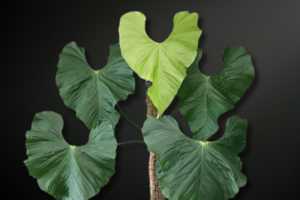
The defining morphology of Amorphophallus manta centers around its expansive canopy and commanding vertical structure. The petiole rises with immense strength and displays intricate marbling patterns that echo rainforest camouflage, volcanic rock textures, and the fragmented visual language of humid forest interiors. Above this support, the foliage spreads outward in dramatic divisions that create layered shadow and extraordinary spatial complexity.
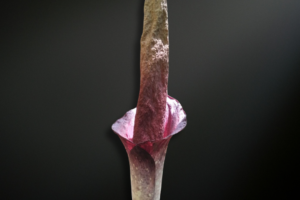
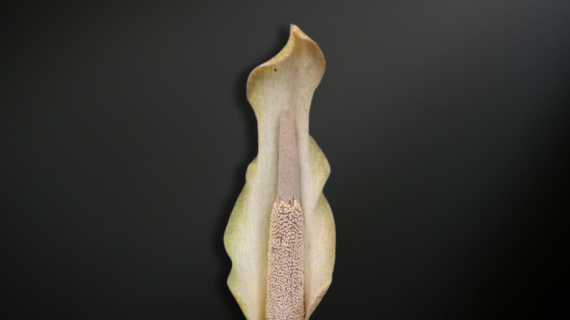
Meanwhile, the scale of mature specimens amplifies the species’ atmospheric presence considerably. The canopy does not merely occupy space; it reshapes it, filtering light into shifting tropical gradients beneath the leaf surface. Additionally, the inflorescence introduces the unmistakable sculptural tension characteristic of large Amorphophallus, combining biological intensity with refined structural elegance.
Habitat & Origin
Amorphophallus manta originates from Sumatra, where it inhabits humid lowland and submontane rainforest ecosystems enriched by volcanic soils, dense canopy cover, and year-round atmospheric moisture. These environments remain among the most biologically diverse tropical systems on Earth and support extraordinary concentrations of endemic plant life.
In habitat, the species develops within deep organic substrates layered with decomposing leaf litter, moss-covered debris, and continuously cycling forest matter. Meanwhile, persistent humidity and filtered understory light create exceptionally stable growing conditions that shape the species’ immense vegetative structure and seasonal rhythm.
Native Environment
Within its natural range, Amorphophallus manta frequently occurs in densely shaded rainforest interiors where towering canopy trees regulate temperature, moisture, and illumination across the forest floor. The surrounding atmosphere feels saturated with humidity, organic fragrance, and diffuse tropical light softened by mist and layered vegetation.
Additionally, volcanic geography strongly influences the ecological character of these forests. Mineral-rich soils combined with continuous organic decomposition create fertile yet highly aerated substrates capable of sustaining massive tuberous growth over extended periods. Consequently, the species develops within one of the most ecologically dynamic environments in tropical Asia.
Ecological Adaptations
The enormous subterranean tuber of Amorphophallus manta functions as a substantial energy reservoir capable of supporting rapid seasonal emergence and massive canopy production. During active growth, the species accumulates extraordinary biomass before eventually retreating into dormancy as environmental rhythms shift.
Meanwhile, the expansive canopy likely evolved to maximize light interception within dim rainforest understories where competition for filtered illumination remains intense. The elevated petiole structure also positions the foliage above surrounding understory vegetation, improving airflow and access to diffuse tropical light. Because of these adaptations, Amorphophallus manta demonstrates a highly specialized ecological strategy centered on scale, resource storage, and rainforest competition.
Why Collectors Seek Amorphophallus manta
Collectors pursue Amorphophallus manta because few species combine such dramatic structural scale with equally immersive ecological atmosphere. The plant introduces a level of rainforest presence rarely achieved in cultivation, evoking the visual language of deep Sumatran jungle systems where humidity, shadow, and immense foliage dominate the landscape.
For advanced aroid enthusiasts, the species also represents an important botanical achievement. Cultivating mature specimens requires patience, environmental consistency, and long-term commitment, which significantly enhances the sense of prestige surrounding established plants. Consequently, Amorphophallus manta often becomes a defining centerpiece within serious tropical collections.
Rarity
Although known among specialist aroid collectors, Amorphophallus manta remains exceptionally scarce in cultivation and rarely appears outside dedicated botanical circles. Mature tubers are particularly difficult to encounter due to the species’ large growth requirements and limited propagation distribution.
Because of this rarity, established specimens often acquire substantial collector prestige. Enthusiasts focused on Indonesian rainforest species and giant-form Amorphophallus frequently regard the plant as one of the more important and visually commanding species within advanced collections.
Architectural Presence
Few tropical aroids create spatial impact comparable to mature Amorphophallus manta. The immense canopy forms an elevated umbrella-like structure that transforms surrounding light and introduces remarkable vertical rhythm into cultivated environments. Meanwhile, the mottled petiole provides additional visual complexity and reinforces the species’ strong rainforest identity.
Rather than appearing ornamental in a conventional sense, the plant often resembles a living fragment of untouched tropical forest ecology. This immersive architectural quality contributes greatly to its enduring fascination among collectors.
Botanical Interest
From a botanical perspective, Amorphophallus manta offers compelling insight into the evolutionary potential of large tropical tuberous aroids within highly competitive rainforest ecosystems. Its immense foliage structure, substantial subterranean storage system, and localized Sumatran distribution distinguish it sharply from more broadly cultivated relatives.
Additionally, the species highlights the extraordinary diversity still present within Indonesian rainforest flora. For collectors and botanists alike, Amorphophallus manta represents a powerful reminder of how ecological isolation and tropical complexity continue to shape remarkable botanical specialization.
Collector’s Perspective
Among experienced aroid enthusiasts, Amorphophallus manta often becomes admired as a species of atmosphere, scale, and environmental storytelling rather than novelty alone. The emergence of a mature specimen introduces a profound sense of anticipation shaped by height, shadow, and structural transformation.
In cultivation, established tubers gradually produce increasingly immense foliage with stronger architectural balance and more commanding spatial presence over successive seasons. The species develops an almost immersive relationship with its environment, altering surrounding light and reinforcing the sensation of tropical depth within the collection.
Ultimately, Amorphophallus manta embodies the cinematic grandeur of the Sumatran rainforest itself. Its enduring appeal emerges through rarity, monumental morphology, and its extraordinary ability to evoke the untamed atmosphere of one of Southeast Asia’s richest tropical ecosystems.
Looking for Rare Amorphophallus Species?
Explore our collection of rare tubers, seeds, and exotic aroids directly from Indonesia. Carefully prepared for international shipping.