Amorphophallus decus-silvae — The Forest Glory of Java
Among the most visually commanding species native to Java, Amorphophallus decus-silvae stands as a remarkable embodiment of tropical grandeur, botanical refinement, and rainforest drama. Its species name, meaning “glory of the forest,” reflects an entirely appropriate sense of scale and presence. Rising from the forest floor with immense structural authority, the species produces towering foliage and one of the most striking inflorescences within the genus, creating an atmosphere that feels ancient, humid, and profoundly alive.
Unlike many smaller understory aroids that rely on subtle intricacy, Amorphophallus decus-silvae captivates through monumental architecture and sculptural force. The immense petiole supports a vast canopy that filters tropical light into layered shadow beneath its foliage, while the flowering structure introduces extraordinary visual tension through scale, texture, and coloration. Consequently, collectors often regard the species as one of the definitive giant Indonesian Amorphophallus, admired equally for its ecological majesty and unforgettable spatial impact.
Botanical Significance
Amorphophallus decus-silvae holds exceptional botanical importance because of its immense proportions, highly specialized rainforest adaptation, and iconic status within Southeast Asian aroid diversity. Among giant Amorphophallus, the species ranks among the most structurally impressive, capable of producing massive subterranean tubers, towering foliage, and an inflorescence of extraordinary biological intensity.
Moreover, the species represents the remarkable evolutionary complexity of Javan rainforest ecosystems shaped by volcanic geology, seasonal humidity, and dense tropical competition. In habitat, these environmental pressures encouraged the development of dramatic biomass accumulation and highly efficient seasonal growth strategies. Because of this, Amorphophallus decus-silvae functions as both a botanical spectacle and a profound expression of tropical forest evolution.
Collector Value
Collectors value Amorphophallus decus-silvae for its monumental scale, exceptional rarity in cultivation, and unmistakable architectural dominance. Mature specimens create a level of rainforest immersion rarely achieved by cultivated tropical plants, transforming surrounding space through sheer vertical presence and canopy breadth.
Additionally, the species remains relatively uncommon outside specialized botanical collections due to its immense size requirements and demanding long-term cultivation cycle. Because of this scarcity, mature tubers and flowering specimens often hold considerable prestige among advanced aroid collectors focused on giant tropical taxa and Indonesian endemics.
Distinctive Morphology
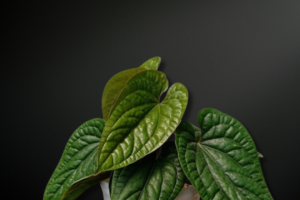
The morphology of Amorphophallus decus-silvae reflects extraordinary structural power combined with refined botanical complexity. The petiole rises with massive proportion and intricate marbling patterns reminiscent of rainforest bark, volcanic stone, and moss-covered tropical surfaces. Above this immense support structure, the canopy expands into an enormous divided leaf capable of dominating surrounding vegetation through scale alone.
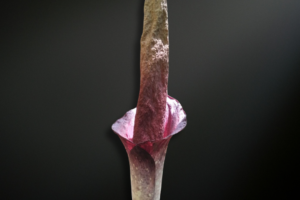
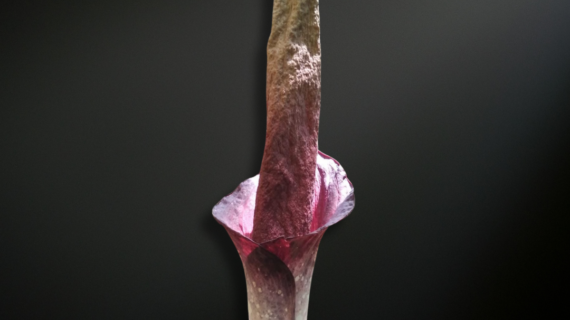
Meanwhile, the inflorescence remains one of the species’ most unforgettable features. The immense spathe and towering spadix create a dramatic sculptural composition that combines dark tropical coloration with overwhelming biological intensity. As a result, flowering specimens often become defining moments within serious botanical collections and public tropical displays alike.
Habitat & Origin
Amorphophallus decus-silvae originates from Java, Indonesia, where it inhabits humid lowland and submontane rainforest systems enriched by volcanic soils, dense canopy cover, and seasonally dynamic tropical conditions. These forests support remarkable biodiversity and provide ideal ecological conditions for large seasonal aroids.
In habitat, the species develops within deep organic substrates layered with decomposing vegetation, mineral-rich volcanic sediment, and continuously cycling forest humus. Meanwhile, filtered canopy light and elevated humidity allow rapid seasonal foliage expansion before dormancy gradually returns during drier intervals.
Native Environment
Within its natural range, Amorphophallus decus-silvae frequently occurs in deeply shaded rainforest interiors where immense canopy trees regulate temperature, moisture, and illumination across the forest floor. The surrounding environment feels saturated with humidity, filtered green light, and dense organic decay characteristic of mature tropical ecosystems.
Additionally, Java’s volcanic geography contributes significantly to the species’ extraordinary growth potential. Fertile mineral-rich soils combined with constant organic decomposition create highly productive yet well-aerated substrates capable of sustaining enormous subterranean tubers over many seasonal cycles.
Ecological Adaptations
The subterranean tuber of Amorphophallus decus-silvae functions as an immense energy reservoir that supports rapid seasonal emergence and extraordinary canopy production. During active growth, the species accumulates substantial biomass before retreating into dormancy as environmental conditions shift seasonally.
Meanwhile, the enormous canopy evolved to maximize light interception within dim rainforest understories where competition for filtered illumination remains intense. The elevated petiole structure also positions the foliage above surrounding understory vegetation while improving airflow and spatial access to tropical light gradients. Because of these adaptations, the species represents one of the most ecologically specialized giant aroids within Southeast Asian rainforest systems.
Why Collectors Seek Amorphophallus decus-silvae
Collectors pursue Amorphophallus decus-silvae because few tropical plants combine such overwhelming scale with equally refined rainforest atmosphere. The species introduces a level of botanical drama and environmental immersion rarely matched even among giant aroids, evoking the humid grandeur of untouched Javan forest interiors.
For advanced enthusiasts, the species also represents a significant horticultural accomplishment. Successfully cultivating mature specimens requires patience, space, environmental stability, and long-term commitment, which considerably enhances the prestige surrounding established plants. Consequently, Amorphophallus decus-silvae often becomes a defining centerpiece within elite tropical collections.
Rarity
Although recognized among specialist aroid enthusiasts, Amorphophallus decus-silvae remains genuinely uncommon in cultivation, particularly as mature flowering specimens. Its immense growth requirements, substantial tuber size, and long developmental cycle limit broader horticultural distribution.
Because of this rarity, mature specimens frequently acquire considerable collector significance. Enthusiasts focused on giant tropical aroids and Indonesian rainforest flora often regard the species as one of the most important large-form Amorphophallus available within advanced cultivation.
Architectural Presence
Few species within the genus rival the architectural impact of mature Amorphophallus decus-silvae. The immense canopy creates layered tropical shadow while transforming surrounding space through vertical scale and visual density. Meanwhile, the heavily mottled petiole introduces additional textural complexity that reinforces the species’ deep rainforest identity.
Rather than appearing merely ornamental, the plant often resembles a living fragment of ancient tropical forest ecology. This overwhelming architectural presence contributes greatly to its enduring fascination among serious collectors and botanical institutions alike.
Botanical Interest
From a botanical perspective, Amorphophallus decus-silvae offers exceptional insight into the evolutionary potential of giant tropical tuberous aroids within highly competitive rainforest ecosystems. Its massive biomass production, immense subterranean storage system, and highly specialized ecological adaptation distinguish it sharply from smaller understory relatives.
Additionally, the species serves as an important representative of Java’s increasingly vulnerable rainforest biodiversity. For collectors and botanists alike, Amorphophallus decus-silvae embodies both the grandeur and ecological significance of Southeast Asian tropical flora.
Collector’s Perspective
Among experienced aroid enthusiasts, Amorphophallus decus-silvae often becomes admired as a species of atmosphere, monumentality, and biological drama rather than novelty alone. The emergence of a mature specimen transforms surrounding space through immense scale, filtered shadow, and powerful structural rhythm.
In cultivation, established tubers gradually produce increasingly massive foliage with stronger architectural balance and more commanding presence over successive seasons. The species develops a sense of permanence and rainforest authenticity that few tropical plants can replicate convincingly.
Ultimately, Amorphophallus decus-silvae embodies the towering grandeur of the Javan rainforest itself. Its enduring appeal emerges through rarity, ecological scale, and its extraordinary ability to evoke the dense tropical atmosphere of one of Southeast Asia’s richest forest ecosystems.
Looking for Rare Amorphophallus Species?
Explore our collection of rare tubers, seeds, and exotic aroids directly from Indonesia. Carefully prepared for international shipping.